
Shocking Jury Ruling: Social Media Found Guilty of Endangering Kids—What This Means for Parents!


In a significant legal development, a jury in Los Angeles has found both Meta and YouTube liable for the mental health harms inflicted on children using their services. This ruling aligns with a similar decision made by a jury in New Mexico just a day prior, which concluded that Meta knowingly harmed children's mental health and deliberately concealed information regarding child sexual exploitation on its platforms.
This series of verdicts brings to light the growing scrutiny social media companies face regarding their impact on young users. The implications of these rulings are profound, as they reflect a rising concern among lawmakers, parents, and mental health professionals about the role of technology in the lives of children.
The findings against Meta and YouTube are part of a larger movement to hold tech companies accountable for their influence on vulnerable populations. As children increasingly turn to social media for connection and entertainment, issues of safety and mental well-being have come to the forefront. Research has shown that excessive social media use can lead to anxiety, depression, and other mental health issues, particularly among adolescents.
The verdict against Meta in New Mexico specifically highlights allegations that the company was aware of the detrimental effects its platforms had on young users but failed to take necessary precautions to protect them. This revelation is particularly alarming, given the prominent role that Facebook, Instagram, and other Meta platforms play in the daily lives of millions of children across the country.
The legal battles facing these tech giants raise critical questions about the responsibility they bear in safeguarding the mental health of their youngest users. As society continues to grapple with the implications of digital technology, these cases may set important precedents for future legal actions against social media companies.
As juries weigh the evidence and render decisions, public opinion is increasingly leaning toward the belief that these companies must prioritize user safety over profit. With growing advocacy for regulatory measures, the landscape of social media and its governance could be on the verge of substantial change. The consequences of these findings may not only impact the companies involved but could also lead to more stringent regulations aimed at protecting children online.
As this story unfolds, the ongoing discourse around mental health and social media usage continues to evolve. Parents, educators, and policymakers are challenged to navigate this complex issue, reflecting the urgent need for greater awareness and understanding of the digital environments that children inhabit.
With accountability now being established through the legal system, the hope is that Meta, YouTube, and other companies will recognize the imperative to implement more effective safety measures. As the conversation expands, it is clear that the well-being of children must remain at the heart of discussions surrounding technology and its role in society.
This pivotal moment in the ongoing relationship between social media and mental health serves as a reminder of the critical importance of prioritizing the safety and health of the younger generation as they navigate an increasingly digital world.
Is Your Fitness App Ready? Experts Predict a Shocking $2.1 Billion Boom—Don’t Get Left Behind!

Portugal's Cork Industry Is Transforming Overnight—What 90% of Workers Don't Know Could Change Everything!

You Won't Believe What Luggi Foeger Just Revealed! Discover the Shocking Drama Behind Broken Compass and More!
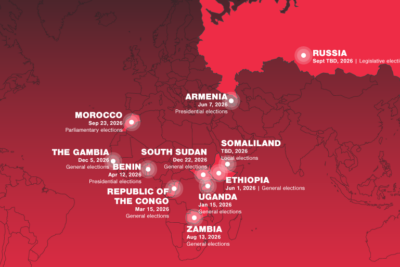
Shocking 2026 Election Predictions: Will Internet Blackouts Silence Your Vote?

You Won't Believe the Shocking Truth Behind Sweet 16 Celebrations—#4 Will Leave You Speechless!

Tom Brady's Shocking Secret Deal with Ferrero: What Happens Next Will Stun You!
You might also like: