
Kent's Meningitis Outbreak: Why Thousands Are Rushing for Vaccines—Are You at Risk?

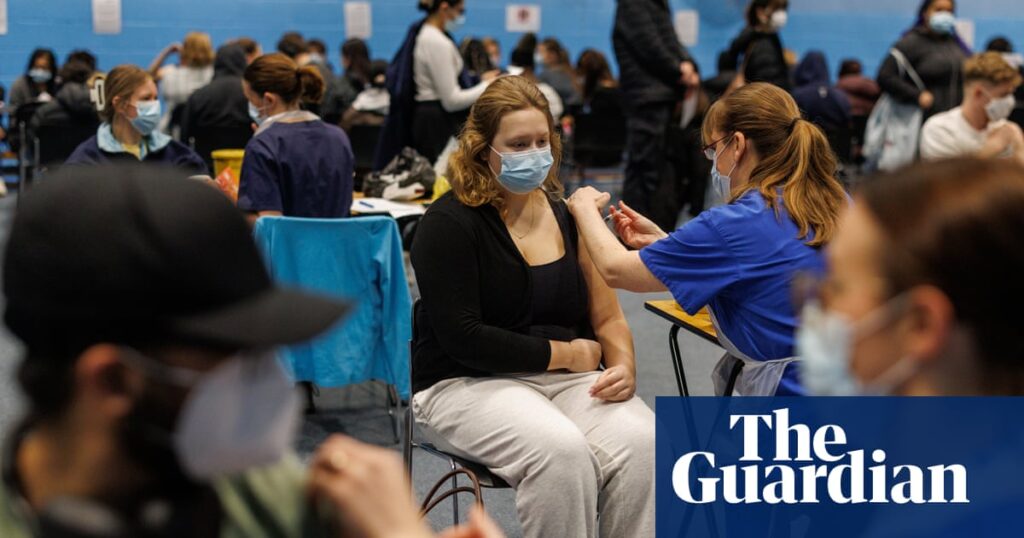
Following a tragic outbreak of meningitis in Kent that resulted in the deaths of two teenagers, there has been a notable surge in demand for routine vaccinations among young people across England. In the past fortnight alone, thousands of teenagers have booked or received their immunizations, particularly for the A, C, W, and Y strains of meningitis (MenACWY) as well as for diphtheria, polio, and tetanus (Td/IPV).
Experts are viewing this increase in vaccination rates as a small silver lining amidst the distressing meningitis B outbreak, which has already left 18 individuals hospitalized. Current statistics reveal that only 72% of year-nine pupils received their MenACWY or booster Td/IPV inoculations during the 2024/25 academic year, falling significantly short of the recommended 95% coverage.
The Royal College of General Practitioners (RCGP) and the National Pharmacy Association (NPA) have reported a remarkable uptick in requests for routine immunizations among this age group. Olivier Picard, Chair of the NPA, noted, “Although this has largely been for MenB vaccinations, we’ve also seen a significant uptick in demand for MenACWY among teenagers who have missed out on their initial vaccine from the NHS. An unintentional but encouraging consequence of this outbreak is that more patients and their parents are looking into their vaccine records to catch up on those that they have missed.”
Prof. Victoria Tzortziou Brown, Chair of the RCGP, echoed this sentiment, stating, “The recent meningitis outbreak has shocked us all, but it’s reassuring that we are seeing more families take up routine vaccinations for their children. General practice teams and school immunisation services are already seeing increased interest and enquiries in some areas, and are working hard to ensure all eligible children can access these vaccines.”
Areas reporting increased demand include Hertfordshire, Greater Manchester, Berkshire, Bath, North East Somerset, Swindon, Wiltshire, and Surrey. For instance, the Hertfordshire Community NHS Trust, which administers school vaccinations, revealed that 1,750 teenagers received routine vaccinations on just two days, March 21 and 22. Caroline Shepherd, Assistant Director of Child Health and Immunisations at the Trust, indicated that they have received over 2,000 inquiries from concerned residents seeking vaccination advice following the meningitis cases.
NHS Greater Manchester has also noted a significant increase, with its school immunisation provider, Intrahealth, reporting a 40% rise in parental consents compared to an average week. Anecdotal evidence suggests that many young people have started reaching out to their GPs to confirm their vaccination status or to schedule catch-up vaccines.
Similarly, Berkshire Healthcare NHS Foundation Trust reported a marked rise in engagement with its adolescent vaccination program, answering over 780 phone calls and receiving more than 1,200 emails in just a few days—well above its typical weekly average of 150. They also noted that parental consent for routine teenage immunisation rose from 90% to just under 92%, with 560 appointments booked for upcoming clinics. Charlotte Church, the trust’s Lead Nurse for Immunisations, emphasized the importance of routine immunisations, stating, “The recent meningitis outbreak has reminded many parents of the vital role routine immunisations play in protecting children from vaccine-preventable diseases.”
The HRCG Care Group, which provides school vaccinations in Bath, North East Somerset, Swindon, Wiltshire, and Surrey, similarly reported heightened demand. Lisa Farrell, the group’s Regional Director for 0-19 Services, remarked, “We are seeing a noticeable increase in enquiries about vaccinations, which is completely understandable.”
Prof. Saul Faust, a pediatric immunology and infectious diseases expert at the University of Southampton, pointed out that the recent data underscores a critical issue: “These data remind us that part of the reason for lack of uptake of vaccines overall is that people have forgotten just how serious vaccine-preventable diseases can be due to the overall success of the programme. It is sad that it has taken a serious outbreak to remind people how important all vaccines are to infant, child, and teenage health, but great that rates are improving.”
NHS England’s Director of Vaccination, Michelle Kane, expressed optimism about the response to the outbreak, stating, “It’s encouraging that parents are responding to the outbreak by coming forward and seeking advice on vaccination for their teenagers in some areas. While we don’t want people to be unduly worried, we’d strongly encourage all families to consent for their children to have the NHS MenACWY vaccine in year nine, which protects against four types of bacteria that can cause meningitis and sepsis.”
This unfortunate episode serves as a reminder of the critical importance of immunization in protecting public health, particularly among vulnerable populations such as teenagers. The ongoing efforts to increase vaccination rates, spurred by heightened awareness, could foster a healthier future for England’s youth.
Four Women’s Basketball Stars Shockingly Named All-District - You Won't Believe Their GPA Secrets!

GHS Soccer Shatters Expectations: Boys Dominate with Unbelievable 5-0-1 Start, But What About the Girls?

Steelers Shocking Update: Could Aaron Rodgers Change Everything for Their Season? Find Out Now!

Why 75% of Men Struggle with Friendships: The Shocking Truth About Vulnerability You Need to Know!

You Won’t Believe Which UF Health Hospitals Just Scored Big with Healthgrades – Are You at Risk?

Is AI Really Your Best Bet for Health Advice? Shocking Poll Results Reveal the Truth!
You might also like: