
Mid-Range Smartphones Are Falling Apart—Is This 1 Missing Feature the Game Changer Users Want?

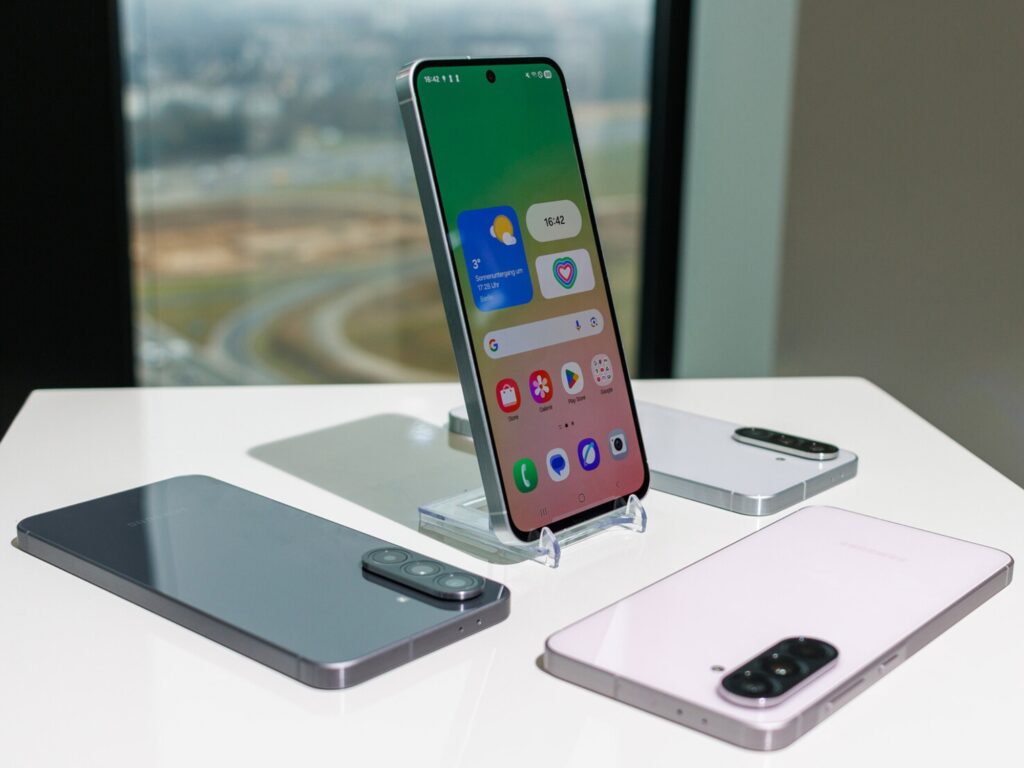
As smartphone technology continues to advance, recent developments hint at a potential regression for mid-range devices. According to well-known leaker Digital Chat Station, manufacturers may increasingly rely on older technology to cope with rising costs due to a memory crisis. For consumers seeking mid-range smartphones, priced around $400, this could mean a return to features that have largely fallen out of favor.
This looming shift comes as rising RAM and storage prices create significant pressure on manufacturers. Devices in the “3K class,” which translates to approximately $435, such as the Oppo Reno 15, OnePlus Ace 6T, and Samsung Galaxy A56, might have to compromise on specifications to maintain affordability. The leaked information suggests several potential downgrades:
- Switching to an 8 GB RAM + 512 GB storage configuration instead of other storage options.
- Adopting a 90 Hz display with a waterdrop notch, replacing more advanced display solutions.
- Reintroducing hybrid SIM slots alongside the microSD card option.
- Utilizing plastic frames and a short-focus fingerprint sensor as standard in the 3K segment.
As noted by Android Authority, data from Counterpoint Research highlights that by the end of Q1 2026, RAM costs accounted for about 14% of the total bill of materials for a smartphone featuring 8 GB of LPDDR5X RAM and 256 GB of UFS 4.0 storage. The cost of internal storage constituted an additional 11%. These figures could increase further in Q2 2026, indicating that merely reducing RAM capacity may not sufficiently offset rising memory prices.
With this context, the potential return of the microSD slot has garnered a mixed response from consumers. While the industry faces jokes on platforms like Weibo about a technological rollback—where outdated features like plastic frames and waterdrop displays are revived—many users are welcoming the reintroduction of expandable storage. This would allow them to opt for smaller storage configurations at purchase without sacrificing flexibility. Additionally, there’s a nostalgic yearning for the return of the 3.5 mm headphone jack, although its reappearance might not provide substantial benefits to manufacturers.
Ultimately, whether these changes will manifest in upcoming devices remains uncertain. Currently, the analysis is based solely on leaks, and it is unclear if these specifications will be visible in the next generation of smartphones or if they will emerge at all. For consumers, this potential trend underscores the importance of staying informed about the evolving smartphone landscape, especially as budget-conscious options may become less appealing due to these compromises.
As the smartphone market wrestles with these challenges, the balance between cost, performance, and user experience will be crucial. Budget and mid-range smartphone buyers may have to navigate a more complex array of choices as manufacturers respond to rising material costs in the coming years.
Schools Are Changing Lunches—You Won’t Believe What Kids Are Eating Now!

Unlock the Shocking AI Strategy That Could Save Your Job—Don’t Miss This Must-Read Report!

Virginia's Shocking Move: Governor Spanberger’s Bold Order Could Change Elections Forever!

You Won't Believe How Arbor Plans to Power Data Centers with 5 GW—Is Your Tech Future at Risk?

Oil Prices Crash 30% Overnight: Is This the End of the Iran War—and Your Investments?

This New Oppo Find X9 Ultra Specs Will Change Photography Forever – Are You Ready To Be Amazed?
You might also like: