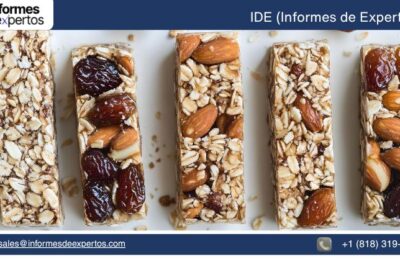
UK's Healthy Snack Market Set to Explode to $28 Billion by 2032—Are You Ready for the Free-From Revolution?

As consumers increasingly prioritize healthier eating habits, the UK Healthy Snacks Market is poised for steady growth over the next several years. According to a recent study by Vyansa Intelligence, the market is projected to expand at a compound annual growth rate (CAGR) of approximately 2.64% from 2026 to 2032, rising from a valuation of USD 23.47 billion in 2025 to an anticipated USD 28.17 billion by 2032. This trend reflects a significant shift in consumer preferences, driven by growing awareness of dietary restrictions and an increased demand for functional and clean-label snack options across the United Kingdom.
Key findings from the report highlight that allergy, free-from, and specialized diet snacks make up around 75% of the total market share. This indicates a robust consumer demand for products catering to various dietary needs, including gluten-free, plant-based, and ketogenic options. Additionally, offline retail channels, including supermarkets and convenience stores, dominate the market, accounting for nearly 75% of total sales.
The surge in demand for free-from and functional nutritional snacks is largely attributed to a heightened consumer consciousness regarding health and wellness. The rising prevalence of food intolerances, allergies, and lifestyle choices like veganism have propelled the popularity of specialized snacks. Products offering attributes such as gluten-free, dairy-free, and low-sugar options are becoming increasingly mainstream. This is part of a broader shift toward clean-label and minimally processed foods, where transparency in ingredient sourcing and nutritional value is essential for consumers.
Moreover, the busy lifestyles of modern consumers have shifted snacking habits away from traditional indulgent options toward healthier alternatives. This trend is expected to further cement the growth trajectory of the healthy snacks market in the UK.
Market Dynamics and Competitive Pressures
While the demand for healthy snacks is on the rise, the market itself is characterized as relatively mature, leading to moderate growth rates. Intense competition among established multinational corporations and emerging niche brands has resulted in pricing pressures and a heightened focus on product innovation. Companies are striving to differentiate themselves through unique formulations, premium ingredients, and sustainable packaging, making health-focused innovation a critical aspect of success.
Maintaining a balance between health innovations and affordability remains a challenge, especially as consumers increasingly consider value alongside nutritional benefits. Additionally, regulatory standards governing food labeling and nutritional claims play an essential role in shaping product development and marketing strategies within the industry.
Recent strategic developments indicate a trend toward brand consolidation and expansion in the healthy snacks market. Notably, in September 2024, The Hero Group, a global food company, announced its acquisition of Deliciously Ella, a UK-based plant-based brand. This move signifies Hero's strategic entry into the healthy snacking sector and highlights the increasing focus on natural and functional foods. Such developments underline the importance of health-driven innovation and strategic partnerships in the competitive landscape.
When examining the market by category, allergy, free-from, and specialized diet snacks dominate the sector, representing approximately 75% of the total. This is driven by the growing consumer awareness around dietary restrictions and preferences. The increasing emphasis on preventive health and personalized nutrition further supports demand for specialized snack options, reinforcing their leadership position across various consumer demographics.
Sales channels also reveal important trends; offline retail continues to hold a dominant position, accounting for nearly 75% of the market. Supermarkets, hypermarkets, and convenience stores offer consumers immediate access to products, enhancing purchasing confidence. Although online sales channels are gradually gaining ground—fueled by rising digital adoption and the popularity of direct-to-consumer brands—they still represent a smaller portion of the overall market.
In conclusion, the UK Healthy Snacks Market is witnessing notable growth driven by evolving consumer preferences and heightened health consciousness. While opportunities abound for companies to innovate and expand, navigating competitive pressures and regulatory standards will be crucial for long-term success. As the market matures, the focus will likely remain on providing consumers with healthier, functional snacks that support their diverse dietary needs.
You Won't Believe the Shocking Growth of Mexico's Healthy Snacks Market – Is Your Favorite at Risk?

Cal Poly's Shocking 10-Game Win Streak Ends—What Went Wrong in This Heart-Stopping Match?

Barry Keoghan Drops Shocking Truths About Social Media Hatred – Is Your Online Life at Risk?

FWM.CN Plummets 25% to C$0.09—Is This the End? Find Out What Investors Are Missing!

2026’s Shocking Smartphone Storage Surge: Are You Ready for This 200% Jump?
Ekinops Just Bought a French Cybersecurity Startup—What This Shocking Move Means for Your Data!
You might also like: