
The Shocking Truth: 8 "Healthy" Snacks You Thought Were Good—But They're Packed with Sugar!

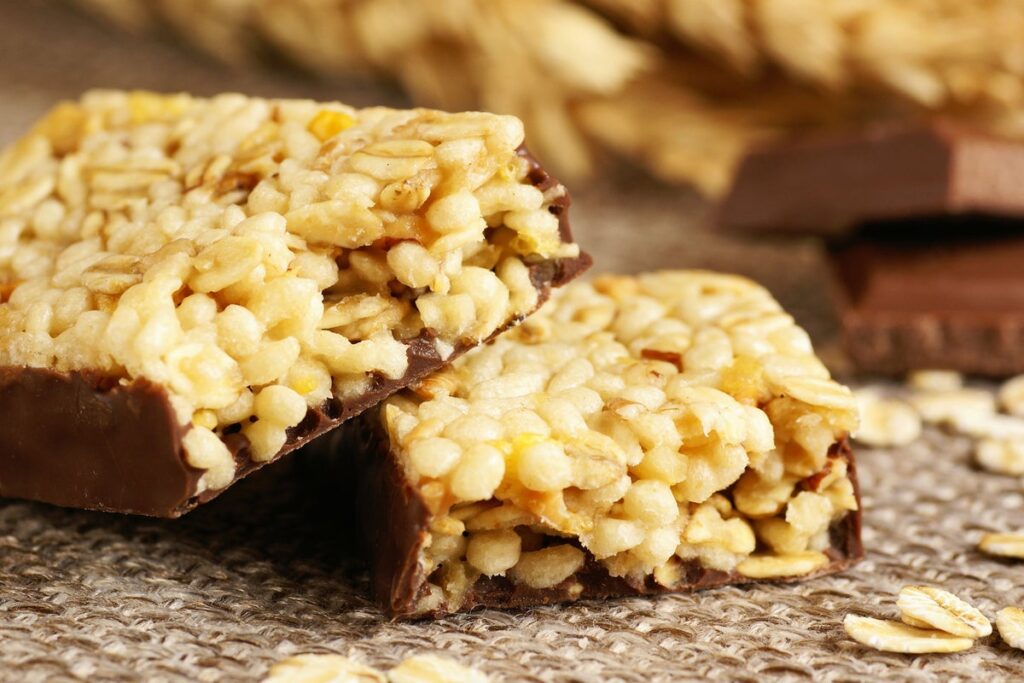
In a landscape where health-conscious consumers increasingly turn to snack bars as convenient meal replacements or on-the-go treats, a new study raises alarms about the misleading marketing of these products. According to research from Action on Salt and Sugar at Queen Mary University of London (QMUL), many snack bars promoted as “healthy” are laden with sugar and calories, compromising the very health benefits they claim to offer.
The analysis examined over 450 snack bars available in ten supermarkets across the UK. The findings revealed that more than one-third (37%) of these bars are classified as high in sugar, while over half (55%) contain elevated levels of saturated fat. Alarmingly, nearly two-thirds (64%) of the snack bars would not meet criteria for being considered “healthy” products.
Among the worst offenders identified in the study were the M&S Dark Chocolate Date Bar, which contains 198 calories and a hefty 26.5g of sugar per serving. The Nakd. Raw Fruit & Nut Bars in flavors like Blueberry Muffin and Salted Caramel also raised eyebrows, each containing 131 and 134 calories respectively, with 17g of sugar in each bar. Additionally, the Deliciously Ella Roasted Peanut Protein Ball has 150 calories and 16g of sugar per serving.
Current government guidelines recommend that adults limit their intake of free sugars to no more than 30g per day—roughly equivalent to 7 sugar cubes. For children aged 7 to 10, the limit is set at 24g of free sugars daily, or about 6 sugar cubes. These figures suggest that consuming just one of the identified snack bars could significantly exceed a child's recommended daily sugar intake.
In response to the concerning findings, researchers are advocating for the government to implement mandatory front-of-pack labeling. This measure would allow consumers to easily identify healthier options, discourage misleading claims, and potentially introduce levies on unhealthy food products. Dr. Kawther Hashem, senior lecturer in public health nutrition and head of research at Action on Salt & Sugar, emphasized that parents and young individuals are being “misled” into believing they are purchasing healthy options, when in actuality, many snack bars are packed with excess sugar and calories.
“The government must take more assertive action by mandating clear front-of-pack labeling and tightening the sugar thresholds, introducing levies on unhealthy foods, and setting ambitious healthy sales targets to truly protect children’s health,”
Dr. Hashem stated.
Nourhan Barakat, a nutritionist at the same organization, echoed these concerns, stating, “We, as consumers, deserve honesty from food businesses and shouldn’t have to decode confusing or misleading claims.” She noted that terms like “natural ingredients,” “high in fiber,” and “high protein” can be deceptive, as many of these bars still contain high levels of sugar and saturated fat. “It’s unacceptable that an average serving provides nearly one-third of a child’s recommended daily sugar intake, putting young children at risk of diet-related health conditions that they could carry with them for life,” Barakat added.
In the wake of the study, various companies responded. Deliciously Ella defended its Roasted Peanut Protein Ball as a “functional, energizing snack made from six simple ingredients,” but noted they do not provide specific nutritional figures for sugar or saturated fat beyond publicly shared information. Meanwhile, a spokesperson for Marks & Spencer clarified that their chocolate bar is not marketed as a health bar, but rather as a simpler recipe product containing naturally occurring sugars. They further mentioned the clarity of their nutritional labeling, enabling customers to make informed choices.
In contrast, a government spokesperson highlighted ongoing initiatives to combat obesity as part of a 10-Year Health Plan. This plan includes measures to restrict junk food advertising on television and online, limit volume price promotions on unhealthy foods, and mandate the reporting of sales on healthier options.
The implications of this study are significant for American consumers as well, particularly as the trend toward health-focused snacks continues to grow. As more individuals seek healthier alternatives in their diets, it becomes increasingly crucial for regulations to ensure that these products genuinely provide nutritional benefits without the hidden dangers of excessive sugar and calories. The call for transparent labeling and stricter regulations resonates far beyond the shores of the UK and is a pressing issue for public health advocates across the globe.
You Won't Believe How This One Simple Trick Can Slash Your Ultra-Processed Food Intake by 50% in Just 7 Days!

Ethereum's Shocking New 'Interop Layer': Will It Change Crypto Forever? Find Out NOW!

Klay’s Shocking Move: First AI-Music Startup to Lock Deals with ALL Major Labels—What’s Next?

Are You Ready for the 2026 Election? Discover the Shocking Truth About Voter Power!

Black Friday Tech Deals Are LIVE: Unbelievable Discounts on GPUs, CPUs, and SSDs You Can’t Afford to Miss!

Experts Reveal Shocking 2025 NFL Week 12 Picks That Could Change Your Betting Game Forever!
You might also like: