
New Study Reveals Shocking Traits of Kids Most At Risk for Anxiety—Are Your Children Among Them?

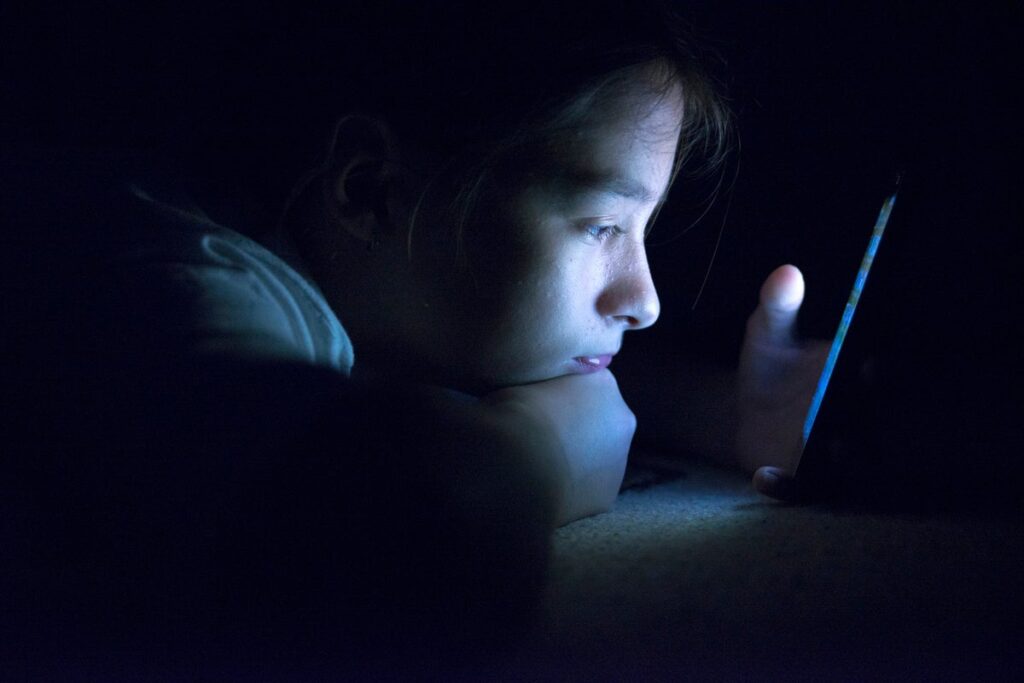
The impact of social media on children's mental health has come under scrutiny, with recent research indicating that children who spend over three hours a day on these platforms are at a greater risk of developing mental health issues like depression and anxiety. This finding underscores an ongoing concern among parents and educators regarding the effects of digital engagement on youth.
Conducted by researchers at Imperial College London, the study analyzed data from the *Study of Cognition, Adolescents and Mobile Phones* (Scamp), which began in 2014 and involved 2,350 children across 31 schools in London. Participants completed questionnaires that detailed their digital behaviors, mental health, and lifestyle choices, alongside cognitive tests when they were in Year 7 (ages 11 to 12) and again when they reached ages 13 to 15.
The study revealed a correlation between extensive social media use and increased symptoms of anxiety and depression. Specifically, children who exceeded three hours of social media use daily reported significantly more mental health issues compared to their peers who limited their screen time to about 30 minutes a day.
One key factor identified by the researchers was sleep disruption, particularly among those who engaged with social media late into the evening. Dr. Chen Shen, a researcher at Imperial's School of Public Health, emphasized the complexity of the relationship between social media use and mental health. He stated, “The relationship we see is complex, so it’s not as straightforward as saying that social media use directly causes poor mental health in children, like the well-established direct link between smoking and lung cancer, for example.” However, the data indicates a clear trend: children who overuse social media during early adolescence are more likely to experience mental health challenges as they transition into their teenage years.
The study's findings, published in *BMC Medicine*, have fueled discussions about the need for educational initiatives that promote digital literacy and healthy sleep habits among students. As the social media landscape has evolved dramatically since the data was collected—from 2014 to 2018—experts are advocating for further research to assess how these changes affect children's mental health in today's digital environment.
Professor Mireille Toledano, the principal investigator of Scamp and chairwoman in child health at Imperial, noted the implications of the study. She indicated that while there is growing support for stringent measures, including a potential ban on social media use for under-16s, the current evidence does not adequately support such actions. "Despite calls for an outright ban for under-16s," she stated, "the evidence that this will solve all the issues children are facing just isn’t there.”
This discussion is particularly timely, as the UK government has recently launched a consultation aimed at gathering opinions on measures to protect children online, which could include a partial social media ban for minors. However, experts stress the importance of understanding the multifaceted nature of social media's impact rather than resorting to blanket bans.
Dr. Shen pointed out that the social media landscape continues to change at a rapid pace, making it essential for future research to keep up. "As the platforms, usage, and content evolve, we need continued research to understand how social media use affects children’s mental health in today’s digital environment,” he said.
As parents, educators, and policymakers grapple with these findings, understanding the nuanced relationship between social media engagement, sleep habits, and mental health becomes critical. By addressing these issues head-on and fostering an environment that prioritizes healthy digital habits, there is potential to mitigate some of the adverse effects identified in the research.
For parents, recognizing signs of anxiety in their children—such as lack of confidence, difficulty concentrating, and disrupted sleep—may be pivotal in providing the support needed to navigate the challenges posed by social media. As the conversation continues, both the necessity for protective measures and the importance of informed engagement will remain at the forefront of discussions surrounding children’s mental health in the digital age.
Why LaBrae and Canfield Art Students Are Shocking Everyone at the Governor’s Exhibition—You Won't Believe What They Created!

You Won't Believe the Secret Ingredient in The Juice House's Smoothies That’s Taking Downtown Amesbury by Storm!

Trump's Shocking Move: Why the New Columbus Statue Could Change Everything at the White House!

Luka Doncic's Shocking 5-Game Suspension Decision: What This Means for the NBA Playoffs!

Lea Salonga's Shocking Return to Les Misérables: What You MUST Know Before Tickets Sell Out!

You Won’t Believe How Many Species Could Disappear in Just 10 Years Because of Climate Change!
You might also like: