
Shocking Decision: Lee Bans Real Estate Officials with Multiple Homes—What This Means for YOU!

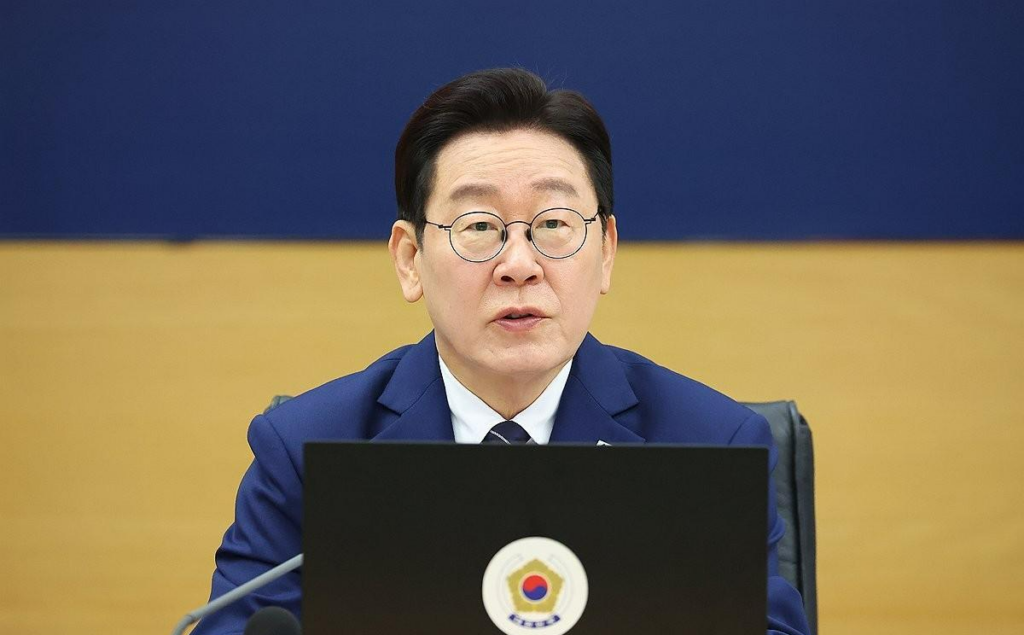
South Korea's President Lee Jae Myung has taken a bold step in addressing the country's long-standing issues with housing speculation. In a recent announcement, he instructed both his office and the Cabinet to exclude owners of multiple homes from participating in the creation of real estate policies. This directive marks a significant shift in the way the government approaches housing issues, as it seeks to stabilize a fluctuating property market while making home ownership more accessible to the general public.
Addressing the situation on his X account, President Lee emphasized that individuals who own multiple properties, especially those who do not reside in them, should not have a say in housing policy decisions. He stated, “Escaping the real estate republic is a central task for the grand transformation of the Republic of Korea. There cannot be even a 0.1 percent flaw or hole when it comes to real estate or home policies.” This statement underscores the urgency and importance of reforming current practices that have perpetuated speculation and unaffordability in the housing market.
Lee's administration aims to tackle what he describes as a systemic issue, noting that the real problem lies not with multiple homeowners themselves, but with the public officials who have previously designed tax, banking, and regulatory frameworks that favor such ownership. In his post, he stated, “If the public officials who created or turned a blind eye to these systems abuse these flawed systems to make speculative investments, it would only be right for them to not only receive criticism, but also sanctions.” This perspective highlights a growing sentiment that accountability among policymakers is essential for meaningful change.
Further demonstrating his commitment to reform, President Lee has put his own home up for sale at a price below the market value, a move seen as an effort to lead by example. This personal action aligns with his administration's broader goal of addressing the housing crisis, which has become a pressing issue for many South Koreans struggling with high property prices.
In addition to excluding certain homeowners from policy discussions, the government is set to end the temporary suspension of heavy capital gains taxes in May. This decision is expected to have significant implications for those who have engaged in speculative purchasing, as it aims to disincentivize property trading that contributes to inflated prices.
As President Lee takes these steps to reshape South Korea’s real estate landscape, the impact on everyday citizens remains a critical focal point. Many are hopeful that these reforms will lead to a more equitable housing market, allowing more people to achieve their dream of homeownership.
In conclusion, Lee Jae Myung’s approach represents not just a policy shift, but a call to reevaluate the existing frameworks that govern housing in South Korea. His administration’s focus on excluding certain property owners from policy formulation, along with the reinstatement of capital gains taxes, indicates a serious commitment to dismantling the structures that have long favored speculation over accessibility. As these changes unfold, their effectiveness will ultimately determine whether the government can navigate the complexities of the housing crisis and restore public faith in the system.
You Won't Believe the Shocking Reason We Can't Stop Craving This 90s Snack!
Ex-Trump Lawyer Unleashes SHOCKING Attack on 'Demented Narcissist' – You Won't Believe What He Said!

Is Germany’s Iconic Ski Lift DOOMED? Shocking Changes at the Alps Will Leave You Speechless!

Are You One of the 80%? Shocking Psychological Traits of 'Silent Mode' Phone Users Revealed!

You Won't Believe Who Took Home the Crown at This Year's Epic Beat Battle—The Shocking Twist Will Leave You Speechless!

Crypto's SHOCKING 20% Plunge Today: Are US-Iran Tensions About to Wreck Your Investments?
You might also like: