
Young Climate Activists Warn: 70% of Their Futures Are at Risk! Are We Ignoring a Catastrophe?

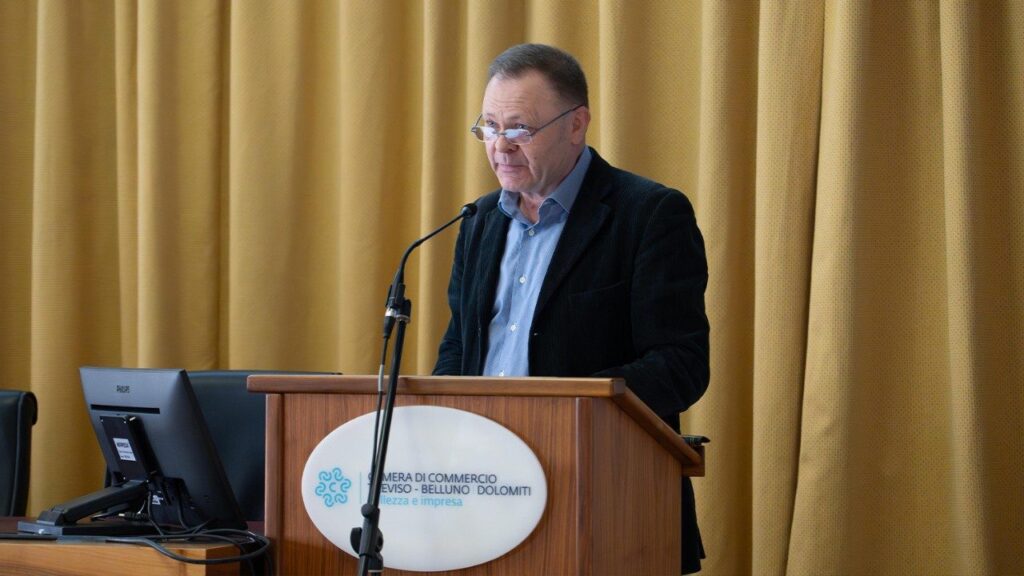
At the recent GreenAccord International Forum in Treviso, Italy, a striking message emerged regarding the psychological toll of climate change on younger generations. Researcher Krzysztof Szadejko presented findings that reveal a troubling trend: while young people are acutely aware of the climate crisis, this awareness often manifests as uncertainty and fear rather than proactive planning for the future. Szadejko, who teaches methodology and statistics in Modena and works in psycho-traumatology and stress management in Milan, emphasized the urgent need for addressing these emotional impacts alongside environmental initiatives.
During his presentation at the Forum, Szadejko shared insights from his research involving young people, where he found that over 40 percent of participants struggle to envision their futures in concrete terms. This lack of clarity is not merely an academic concern; it has profound implications for personal choices and societal dynamics. Many participants expressed hesitations about having children or starting families, citing an inability to predict what the future holds in light of climate change.
“Young people are very sensitive. They are aware of what is happening,” Szadejko noted in an interview with Vatican News. “But this awareness is leading to more fear than action.”
Szadejko articulated a sentiment that resonates deeply: the weight of uncertainty is palpable among the youth. As they grapple with the vast implications of climate change, other global challenges—such as ongoing wars and recent health crises—further exacerbate their feelings of instability. “It is a big mixture,” he explained, underlining the interconnectedness of these various stressors.
Education systems, according to Szadejko, are falling short in adequately preparing young people to engage with these complex issues. While there are isolated initiatives led by dedicated teachers and organizations like Greenpeace, he believes that the scale of climate education is not commensurate with the urgency of the crisis. “There are too few programs and too little attention,” he stated, advocating for a more integrated approach to climate education in schools.
Interestingly, Szadejko pointed out a generational divide in perceptions of climate change. Older generations often fail to recognize the environmental impact of their lifestyles, posing a challenge for younger activists who are keenly aware of the ramifications of inaction. He remarked, “Our generation is used to a certain style of life,” implying that change requires a collective shift in mindsets across all age groups.
“All this information should be heard by governments,” he asserted, emphasizing that research findings must not be confined to academic discussions but should spur actionable change.
Szadejko’s research, while rooted in Italy, carries international implications. He advocated for coordinated efforts among governments worldwide, stating, “We can pull the cart from many sides, but we have to pull it in the same direction.” This call for collaboration underscores the critical need for a united front in addressing climate change and its psychological impact.
One of the most alarming conclusions drawn from Szadejko’s findings is the pervasive sense of isolation felt by many young individuals. He noted that the lack of institutional support can leave young people feeling abandoned in their fight for climate justice. "Young people feel alone, not helped," he said, calling for a greater commitment from institutions to provide support and resources.
Looking ahead, Szadejko emphasized the necessity for more comprehensive research that explores the psychological and social ramifications of climate change on a global scale. He argued that understanding the crisis requires a multifaceted approach that considers not only environmental factors but also the emotional landscapes of those affected. “Current findings are only partial,” he concluded, highlighting the need for ongoing, collaborative research across borders.
As the climate crisis continues to unfold, the mental health of younger generations must be prioritized alongside tangible environmental initiatives. The insights from the GreenAccord Forum offer a crucial reminder that while awareness is the first step, it must be accompanied by meaningful action and support to empower the youth in their quest for a sustainable future.
Why Boomers Struggle to Apologize: The SHOCKING Truth Behind Their Fear of Vulnerability!

Four Shocking Showdowns in the Carabao Cup Final That Could Change Everything—Will Your Team Survive?

Is Your Small Business in WNC Missing Out on $8.5 Million? Discover How to Claim Your Share!

How Arizona's Shocking 34-Point Blowout Will Change the NCAA Tournament Forever!

You Won't Believe What Healthy Snack Secrets Toronto Kids Are Sneaking at This Summer Camp!

Nuggets' Peyton Watson Set to Shock Fans with a Surprise Return—Will This Change Everything?
You might also like: