
Shocking Meningitis Outbreak: Are You at Risk? Experts Urge Immediate Vaccine Changes!

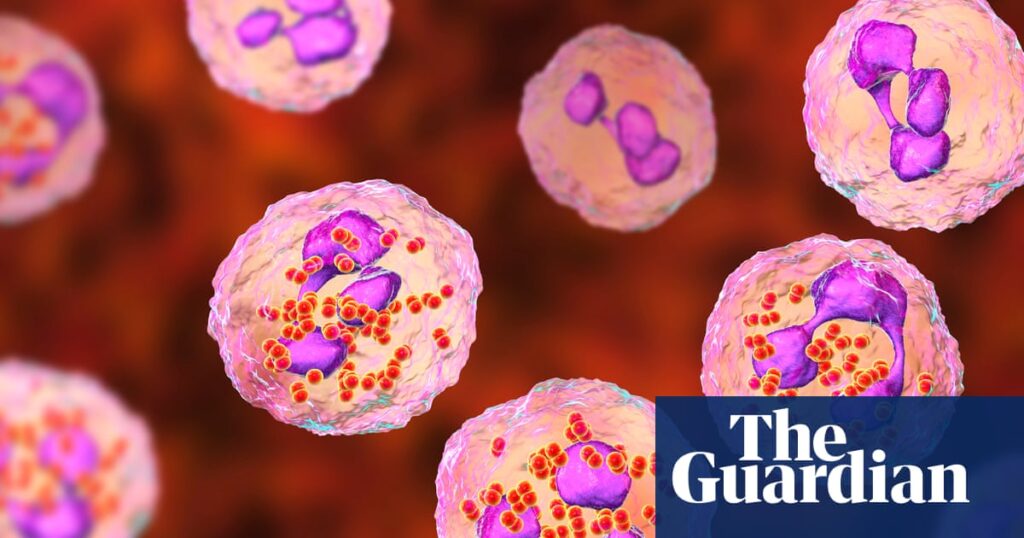
In light of a recent meningitis B outbreak in Kent, UK health officials are urging a re-evaluation of vaccination policies as a precautionary measure. The outbreak has resulted in two fatalities, prompting Health Secretary Wes Streeting to request a review from the Joint Committee on Vaccination and Immunisation (JCVI) regarding the eligibility for meningitis vaccines for a broader population.
Currently, the JCVI recommends routine meningitis B vaccinations primarily for infants, with the MenB jab introduced for this age group starting in 2015. However, experts are advocating for expanding access to teenagers and young adults, particularly in light of the outbreak, which has already seen 18 confirmed cases and 11 more under investigation. Dr. Anjan Ghosh, Kent County Council’s director of public health, warned that cases could spread as students return home for the Easter holidays, with the potential for sporadic clusters to emerge in other areas of the UK.
Dr. Ghosh outlined three possible scenarios in the coming month regarding the outbreak's trajectory. In the first scenario, the outbreak remains contained within Kent. The second possibility is that students traveling home are already incubating the disease, potentially leading to small, localized clusters outside of Kent. However, he emphasized that such cases are likely to be “highly unlikely” to trigger a new outbreak. The worst-case scenario would be the emergence of a significant cluster elsewhere, which he also deemed improbable.
In the wake of the outbreak, the family of 15-year-old Juliette Kenny, who died from meningitis on March 15, has emerged as advocates for change. Her father, Michael Kenny, expressed the profound grief of losing his daughter, stating, “No family should experience this pain and tragedy.” The family is now campaigning for broader access to the meningitis B vaccine for teenagers and young people, hoping to prevent such tragedies in the future.
Experts have pointed to the potential value of adding meningitis B vaccination to the routine immunization schedule for Year 9 students. Dr. Michael Head, a senior research fellow in Global Health at the University of Southampton, suggested that updating the JCVI's review could lead to a more streamlined approach for vaccination in schools. He noted, “We do already have school-based immunization, including for the MenACWY vaccine.”
However, there is skepticism among some experts about whether the JCVI will recommend a broader vaccination strategy. Professor Andy Pollard, director of the Oxford Vaccine Group at the University of Oxford, indicated that while there is a case for revisiting adolescent vaccinations, it is unlikely that new recommendations will emerge without a significant change in case numbers or evidence of greater benefit. He pointed out that JCVI decisions are often constrained by cost-effectiveness analysis mandated by the Treasury.
The UK Health Security Agency (UKHSA) reported that genetic analysis indicates the Bexsero vaccine, currently administered in Kent, should provide protection against the strain responsible for this outbreak. This strain belongs to a group of bacteria known as group B meningococci, specifically sequence type 485, part of the larger clonal complex ST-41/44. Similar strains have been circulating in the UK for the past five years, although further analysis is necessary to understand the specifics of the outbreak pathogen.
Health officials have emphasized that there are ample stocks of the vaccine available, with queues for vaccinations continuing throughout the week. Ed Waller, deputy chief executive and chief strategic commissioning officer at NHS Kent and Medway, stated, “We have plenty of vaccine here in Kent. We’ll draw down more from the national stock.” Over 4,500 people have already been vaccinated, and more than 10,000 doses of antibiotics have been distributed to combat the spread of the disease.
The ongoing situation in Kent raises important questions about public health policies, particularly concerning meningitis B. As experts weigh the evidence, the tragic loss of life serves as a stark reminder of the potential consequences of vaccine hesitancy and the importance of proactive public health measures. With the potential for cases to spread as students travel, the need for robust vaccination strategies becomes even more pressing.
Amazon’s Shocking Plan to Relaunch Smartphones: Will It Finally Compete with Apple?

Is Meningitis B Heading for a 'Super-Spreader' Crisis? Experts Warn of Unthinkable Consequences!
Shocking New Polls Reveal Surprising Leaders in Arkansas Senate Race! Who's in Danger of Losing Everything?

You Won't Believe Who Just Became the NFL’s Biggest Free Agency Flops – Shocking Stats Inside!

Shocking Study Reveals: Midwife Care Linked to 30% Drop in Childhood Vaccination Rates – What Parents Must Know!

White House Unveils Shocking New AI Laws: Are Your Rights at Stake? Find Out Now!
You might also like: