
Africa's Health Crisis: Are 100 Million Lives at Risk Due to Climate Change? Shocking Stats Inside!

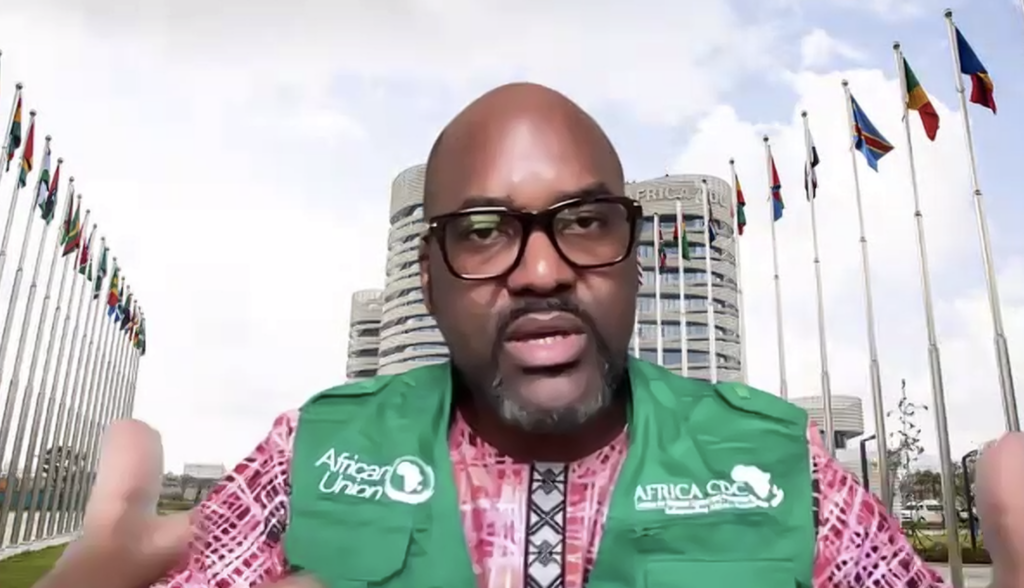
Climate change is increasingly affecting public health in Africa, with one of the most alarming consequences being the rise in cholera cases across the continent. Dr. Yap Boum, deputy incident manager at the Africa Centres for Disease Control and Prevention, highlighted a troubling trend: cholera outbreaks are surging in several African nations, primarily exacerbated by climate-induced weather events. For instance, Mozambique recently experienced two tropical cyclones that caused extensive flooding, directly contributing to a spike in cholera cases.
The impact of these cyclones is profound. In Madagascar, the same weather patterns resulted in the deaths of 600 people and displaced 180,000 individuals, destroying over 120,000 homes. Madagascar is notorious for being one of the countries most affected by cyclones in Africa, with the intensity of these events escalating due to climate change. So far this year, 14 African countries have reported cholera outbreaks, totaling 23,776 cases. Alarmingly, more than 84% of these cases are concentrated in Mozambique and the Democratic Republic of Congo (DRC).
According to the World Health Organization (WHO) Africa region, southern Africa has experienced a staggering seven-fold increase in cholera cases in the first six weeks of 2026 compared to the same period last year. This surge is largely driven by outbreaks in Mozambique and Angola. Dr. Marie Roseline Belizaire, WHO Africa’s emergencies director, noted that “the sharp rise in cholera cases in Southern Africa is a clear reminder of how climate-related shocks are intensifying public health risks.”
Flooding in Mozambique alone has led to the tragic loss of 270 lives and displaced over 370,000 people, creating a fertile ground for waterborne diseases, including cholera. “This flooding impacts waterborne diseases, including cholera, and vector-borne diseases, like malaria and dengue, because the flood water provides breeding sites for mosquitoes,” Dr. Boum stated during a media briefing.
In Angola, the situation is equally dire, where the population faces two waves of cholera due to a lack of access to safe drinking water. Dr. Boum pointed out that 54% of the population lacks this basic necessity, and only about 55% have adequate sanitation facilities. “Although we can manage to stop the [cholera] wave, it will come back until people have proper access to water and sanitation,” he warned.
The cholera crisis isn't limited to Mozambique and Angola. New outbreaks have also emerged in Rwanda and Zimbabwe, with Zimbabwe reporting a case fatality rate of 3.2%, the highest on the continent. The implications of these outbreaks are dire, particularly in light of the fact that Africa accounts for 59% of global cholera cases, yet 99% of cholera-related deaths occur on the continent. The case fatality rate in Africa hovers above 2%, a statistic the Africa CDC aims to halve.
Compounding this public health emergency, southern Ethiopia recently experienced heavy rainfall that resulted in mudslides and flooding, leading to the deaths of 125 people and displacing at least 10,000 others. These cascading effects of climate change underscore a looming challenge for public health systems across the continent.
As the climate crisis continues to manifest through extreme weather events, the need for comprehensive solutions becomes increasingly urgent. Addressing the root causes of these outbreaks through improved access to clean water and sanitation is critical for long-term health outcomes in Africa. Without these foundational elements, the cycle of cholera and other waterborne diseases is poised to persist, placing millions at risk.
You Won’t Believe What Happened in Gulf Shores: Kayleigh Jacks Leads a Shocking Upset Against Spanish Fort!

German Startup Shocks Investors with €8M for Robots That Could Change Farming Forever! Are You Ready?
February 2026: 5 Climate Shocks That Could Change Your Life—Are You Prepared?

Ukrainian Startup Buntar Aerospace Just Secured €9M—What This Means for Global Defense!

Eli Drinkwitz Drops a SHOCKING Truth About CFB Money – You Won't Believe the Consequences!

You Won't Believe the Growth Stock I Snagged for Pennies During This Market Crash! Here's Why You Might Regret Missing It!
You might also like: