Shocking Claim: CEO Warns 90% of Your Favorite Apps Could Vanish to AI Agents—Are You Prepared?


Carl Pei, the co-founder and CEO of the tech company Nothing, has made a bold prediction about the future of smartphone technology: he believes that traditional smartphone apps will soon become obsolete, replaced by artificial intelligence (AI) agents. Pei's comments were made during an interview at the South by Southwest (SXSW) conference held in Austin, Texas, where he discussed what he envisions as an "AI-first device."
Pei's vision articulates a shift in how we interact with technology. He stated, "In terms of AI in software, I think people should understand that apps are going to disappear." This perspective aligns with the growing calls within the tech community to rethink the smartphone experience, moving beyond the limitations of the app-centric model that has dominated for over a decade.
The Future: AI-First Devices
Pei's remarks are part of a broader strategy that helped Nothing secure $200 million in its Series C funding round last year. His idea of an "AI-first device" aims to integrate AI and personalization technology to such a degree that users would no longer feel the need to second-guess the information provided by their devices. This level of personalization could fundamentally change how users interact with their smartphones, making the experience smoother and more intuitive.
According to Pei, the transition from apps to AI agents is not merely a trend; it’s a necessary evolution that will disrupt the current app-based model. He warned founders and startups that if their core value lies within a traditional app, they may need to rethink their strategies. "So, if you're a founder or a startup and your app is like where the core value lies, that will be disrupted whether you like it or not," he asserted, emphasizing the inevitability of this technological shift.
Pei also took the opportunity to criticize the existing smartphone user experience, labeling it as "very old-school." He suggested that current interactions with smartphones remind him of outdated technology like Palm Pilots and PDAs. "The current way we use phones is very old-school. It's pre-iPhone," he explained. His frustration highlights a disconnect between rapid technological advancements and the stagnated evolution of user interfaces over the past two decades.
Looking ahead, Pei envisions a future where smartphones would intuitively understand user intentions and execute actions without requiring navigation through multiple apps. "It should just do it through AI," he stated, suggesting that future devices could feature interfaces designed primarily for AI agents rather than human users. This shift could lead to a more seamless integration of technology into daily life, potentially enhancing productivity and user satisfaction.
As AI technology continues to advance, the implications of Pei’s predictions could be far-reaching. Companies that cling to traditional app-based models may find themselves struggling to adapt to a rapidly changing landscape. In contrast, those that embrace the integration of AI could gain a competitive edge, offering customers a more personalized experience that meets their evolving needs.
Carl Pei's vision for the future of smartphones is both ambitious and thought-provoking, challenging us to reconsider how we interact with technology. As the industry trends toward AI integration, the way we use our devices may soon undergo a transformation as significant as the introduction of the smartphone itself.
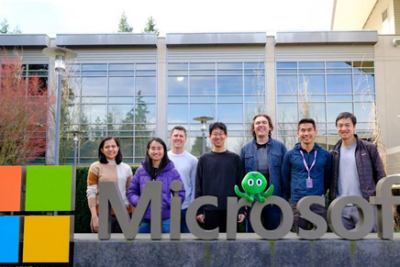
Microsoft's Shocking Move: Why They Just Snagged the Team Behind Cove as It Crashes!

Are France's Biggest Cities Really on the Brink of Electing Far-Right Mayors? Shocking Polls Reveal the Truth!
You Won't Believe What This Celebrity Revealed – It Could Change Everything!
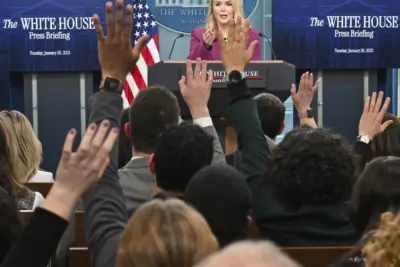
Shocking! Why the White House Just Pulled $50M for Gaza Condoms – What Are They Hiding?

13-Year-Old Whale Shocks Crypto World: How a $332 Bitcoin Bet Turned into LIFE-CHANGING Profits! You Won't Believe the Numbers!
Access Denied? Discover the 5 Shocking Reasons 90% Are Ignoring This Urgent Secret!
You might also like: