
Kent's Meningitis Outbreak: Why 5 Lives Are at Risk—What You Must Know NOW!

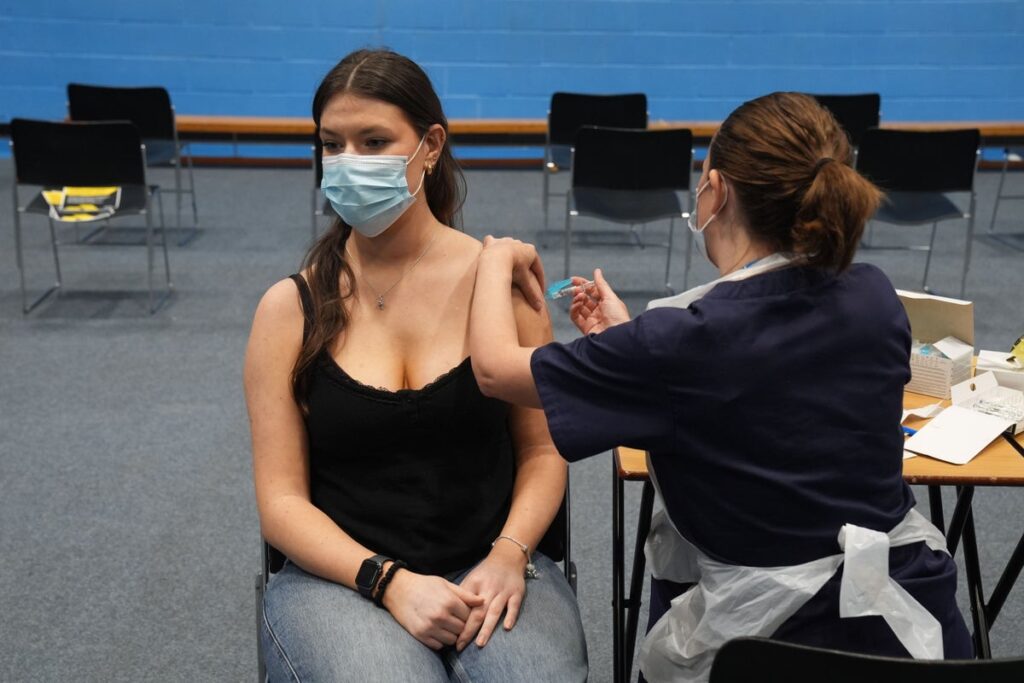
In a concerning turn of events, students at the University of Kent’s Canterbury campus are now receiving the meningitis B vaccine following an outbreak that has tragically resulted in the deaths of two young individuals. The urgent vaccination program is underway as health authorities work to contain the spread and protect the student community.
Approximately 5,000 students will be offered the vaccine, alongside courses of antibiotics, with availability extending throughout the week. A letter sent to University of Kent students, referenced by the Press Association, confirms the ongoing vaccination efforts on campus.
The vaccine being administered is likely to be Bexsero, which covers up to 80% of meningitis B strains. Protection begins to develop about two weeks after the first dose, but full immunity requires two doses with a recommended interval of at least four weeks between them. Experts, including Professor Adam Finn from the University of Bristol, note that while the vaccine will significantly improve students' immunity, it won't immediately avert the threat during this current outbreak. Hence, the vaccine is being provided alongside antibiotics as an additional precaution.
Following the vaccination effort, health officials have also administered over 2,500 doses of antibiotics to students and their close contacts to further curb the outbreak. General practitioners across the UK have been instructed to prescribe antibiotics to anyone who attended Club Chemistry in Canterbury from March 5-7, as well as to University of Kent students seeking preventative treatment.
The vaccination effort raises questions about why many students were not already vaccinated against meningitis B. The menB vaccine was introduced to the NHS only in 2015, meaning anyone born before then may not have received it unless they opted for private vaccination. While the vaccine is now recommended for infants at eight weeks, followed by doses at 12 weeks and a booster at one year, young adults may not have been adequately protected. Other vaccines, such as the MenACWY, protect against different strains of meningococcal disease but not menB.
Young people are particularly susceptible to meningitis B; according to Meningitis Now, one in four individuals aged 15 to 19 carry the meningococcal bacteria in their throats, compared to one in ten of the general UK population. This bacteria can spread through close contact, such as sneezing, coughing, or kissing, and the increased social interactions among university students create a higher risk of transmission, particularly in shared living spaces.
Currently, health officials have not announced plans for a wider vaccination campaign beyond the campus. The Joint Committee on Vaccination and Immunisation (JCVI) does not recommend a routine menB booster vaccination for teenagers and young adults, which limits the options available for further protective measures.
As the situation evolves, experts believe the likelihood of further spread remains low. Transmission requires close, prolonged contact, and it is essential to note that meningitis B is not as easily transmissible as respiratory viruses like flu or COVID-19. Professor Paul Hunter from the University of East Anglia emphasized that while it is difficult to ascertain how common the strain associated with this outbreak has been recently, the chance of widespread dissemination appears minimized.
For students returning home or those who have already left the campus, information about obtaining the vaccine through their general practitioners is still being organized. It’s crucial for individuals experiencing symptoms of meningitis—such as a high temperature, cold extremities, vomiting, confusion, and a stiff neck—to seek immediate medical attention. The UK Health Security Agency (UKHSA) encourages anyone with concerning symptoms to reach out to their GP or call NHS 111.
This outbreak serves as a stark reminder of the ongoing risks posed by meningitis, particularly in communal living environments like universities. The swift response from health authorities highlights the importance of vaccination and preventive measures in safeguarding public health.
Is This ONE Letter the Secret to Ending Social Media Chaos? Shocking Revelations Inside!

Cindy Crawford Reveals 1 Shocking Food Rule at 60—You Won’t Believe What It Is!
Washington's New Law Could Leave 10,000 Workers Exposed—Are You at Risk? Discover the Shocking Details!

Deandre Ayton's Shocking Revelation: How He Transformed the Lakers and Scared the Competition!

Maine's Governor Candidates Face Off: Which Health Care Idea Could Save YOU $10,000? Find Out!

NC Elections in Turmoil: Why 220 Ballots Are at the Center of a Shocking Controversy!
You might also like: