
Shocking Cyberattack on Med-Tech Giant: Are Your Health Records Safe? Find Out Now!

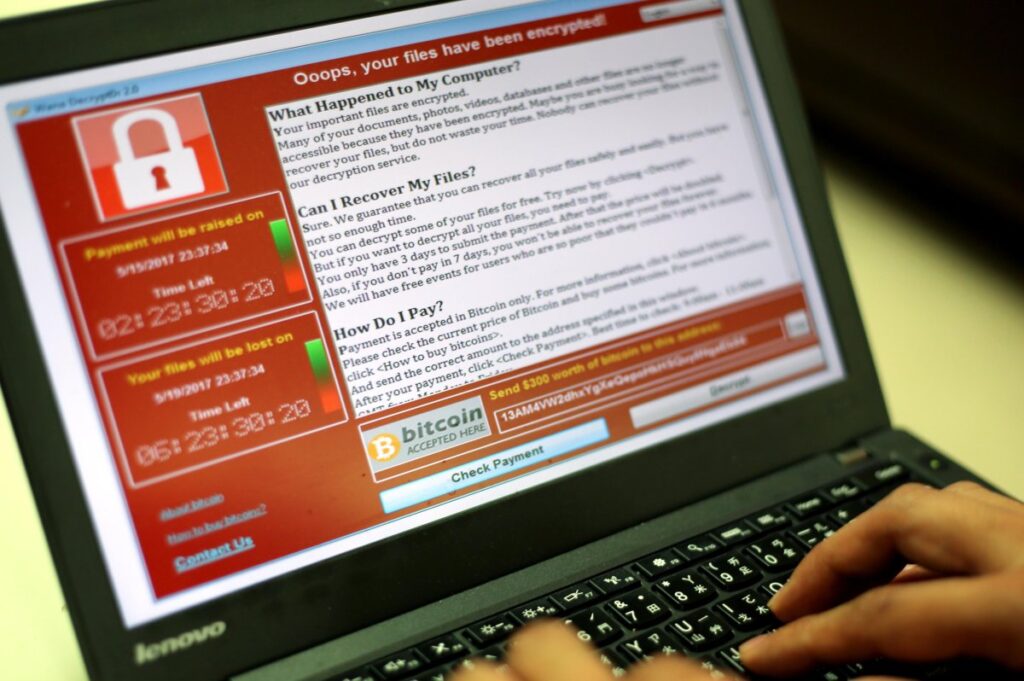
A recent cyberattack attributed to Iranian hackers targeted the medical technology company Stryker, underscoring the escalating threats posed by cyber warfare in the United States. The group known as Handala claimed responsibility for the attack, declaring it a form of retaliation on behalf of Iran. While there is currently no evidence linking Iranian officials or military to the incident, the implications of such breaches are far-reaching.
On March 18, 2023, experts revealed that Handala executed a wiper attack, which is a type of cyber assault aimed at destroying data rather than extorting money, as is common with ransomware. The hackers accessed Stryker's systems using compromised administrative credentials, allowing them to wipe out hundreds of thousands of devices, including company-issued laptops and mobile devices. Jason Mafera, the field chief technology officer for healthcare at IGEL Healthcare, explained that the consequences extend beyond mere data loss. "There is going to be a gap here in that organization being able to sell new devices, support customers they have in the field, manufacturing and supply-chain challenges," he said, emphasizing the critical nature of the attack. "It's absolutely a wake-up call."
Mafera's assertion serves as a cautionary note for all U.S. companies that may find themselves vulnerable to similar attacks. "At some point you will become a targeted opportunity," he warned. "Attackers only need to be lucky once. As an organization, you need to be perfect all the time."
The attack on Stryker is part of a troubling trend, particularly in the healthcare sector, where cyberattacks can have severe repercussions for patient safety. While the focus of the Stryker attack seemed to be on corporate systems rather than medical devices themselves, the potential for data exfiltration remains a poignant concern. "Healthcare is a place where patient lives are impacted," Mafera noted, indicating that breaches can have dire consequences. Once personal health data is stolen, it becomes nearly impossible to restore an individual’s privacy.
This incident is not an isolated one. Just a month prior, the University of Mississippi Medical Center, the largest healthcare provider in the state, was hit by a ransomware attack. The attack forced the closure of 35 clinics and the cancellation of all elective medical procedures for days. Operating without access to phone lines or electronic health networks, the medical center faced significant operational disruption. No one has claimed responsibility for that attack, highlighting the unpredictable nature of cyber threats in the healthcare sector.
Dr. Clark Summers, a former U.S. Army commander and an assistant professor of history and politics at Belmont Abbey College, has expressed concerns about the potential for cyberattacks on U.S. financial institutions. "I admit to being concerned that when I look at the level of U.S. debt and the amount of resources that we increasingly have to just simply servicing that debt," he said, "my fear is how is that going to affect my own personal wealth." Summers believes that a cyberattack targeting financial systems could have catastrophic effects, potentially impacting the livelihoods of millions.
When considering the implications of cyber warfare, Summers pointed out that while large-scale attacks may be unlikely, smaller groups could still pose a significant threat. He referenced the concept of "sleeper cells," small groups of foreign agents that could remain dormant until activated for hostile actions. "What a team of that size can do is limited to essentially point targets," he explained, referring to potential attacks on critical infrastructure.
In light of such incidents, experts are increasingly calling for improved cybersecurity measures across all sectors, particularly in healthcare, where lives are directly on the line. The focus on corporate systems in attacks like the one against Stryker may offer a temporary sense of security, but it is clear that the threats are evolving. With organizations needing to be vigilant constantly, the question remains: are they adequately prepared to defend against the next wave of cyber threats?
2026 Illinois Senate Primary: Shocking Upsets Unfold – Will Your Vote Matter?

Florida's New Elections Bill Faces Shocking Lawsuit—Could It Change Voting Forever?

Hawaiʻi's Shocking Political Shift: Why Sylvia Luke's Endorsement Could Change Everything!
You Won't Believe What Happens When Access is Denied – Shocking Consequences Await!
Is BTC About to Crash? Shocking 'Sell the News' Risk Looms Before FOMC Meeting!

Is This Little-Known Tech Company About to Hit $1 Trillion? You Won't Believe What Happens Next!
You might also like: