
Florida's New Elections Bill Faces Shocking Lawsuit—Could It Change Voting Forever?

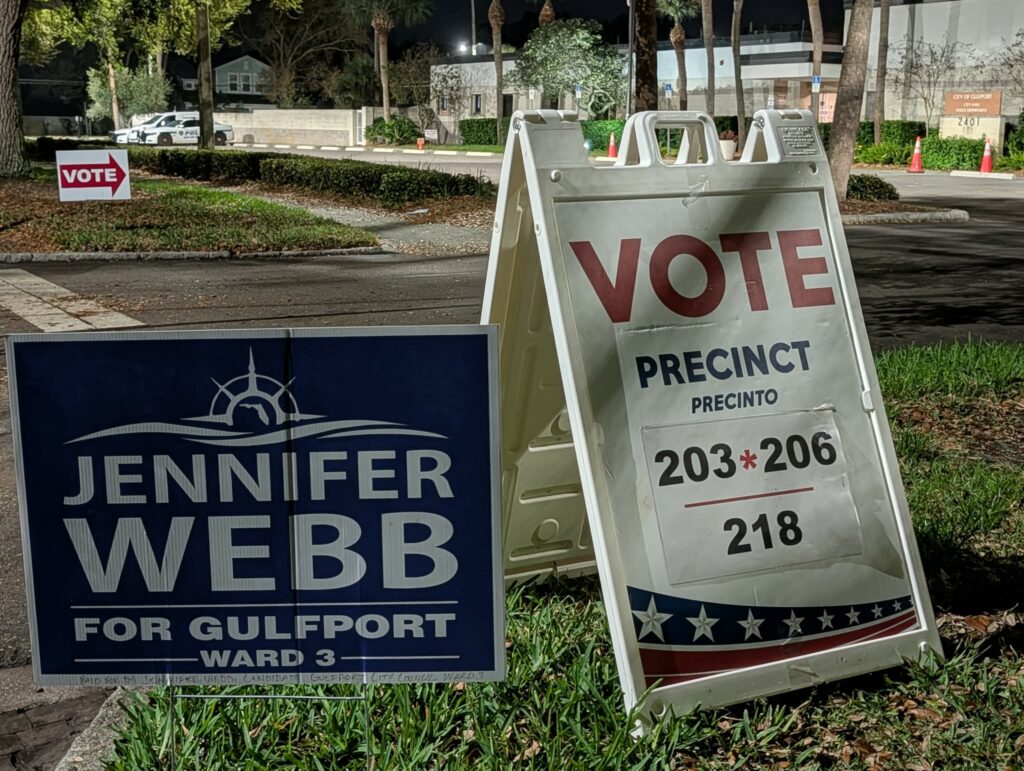
Florida Governor Ron DeSantis announced on social media Monday that he intends to sign legislation requiring voters in the state to prove their citizenship at the ballot box, a move that could significantly alter the state's voting landscape following the 2026 election. This development comes on the heels of the Florida Legislature passing the measure, known as HB 991, which has already drawn criticism and legal threats from Democratic elections lawyer Marc Elias.
Elias, who has previously warned of a lawsuit against the bill, reiterated his stance saying, “As soon as you sign this bill, Florida will be sued.” His comments reflect a broader concern among critics about the potential implications for voter access and integrity.
Key Features of the Legislation
The newly passed bill is Florida's version of the federal Safeguard American Voter Eligibility (SAVE) America Act. It mandates that voters provide proof of citizenship upon registration and a photo ID when casting their votes. However, unlike the federal proposal, Florida's law does not impose restrictions on mail-in ballots, which is notable given that approximately 3 million of the over 11 million voters in the 2024 general election cast their votes by mail, according to the Division of Elections.
Among other provisions, the bill also requires candidates to disclose any dual citizenship they may hold and mandates that the state’s Office of Election Crimes and Security report on any violations related to foreign nationals participating in state elections. Additionally, candidates for federal office are required to reveal their intentions regarding trading stocks while in office.
DeSantis defended the legislation, claiming that Florida has been at the forefront of initiatives aimed at enhancing election integrity. “Florida has led on election integrity for years — banning ballot harvesting, eliminating Zuckerbucks, creating a state office to prosecute voter fraud, among other initiatives — and now we will be enacting the Florida SAVE Act to further bolster our nation-leading efforts,” he posted on X.
The controversy surrounding the bill reflects a growing national debate on voting rights and election security. Supporters argue that measures like these are necessary to ensure the integrity of elections, while opponents see them as unnecessary barriers that could disenfranchise voters, particularly among marginalized communities.
As the landscape of voting rights continues to evolve, the implications of Florida's new law could resonate far beyond state lines, potentially influencing similar legislative efforts in other states. With legal battles likely to ensue, the debate over voter access and election integrity is set to intensify, making the upcoming election cycle critical for voters and policymakers alike.
Hawaiʻi's Shocking Political Shift: Why Sylvia Luke's Endorsement Could Change Everything!
You Won't Believe What Happens When Access is Denied – Shocking Consequences Await!

Is BTC About to Crash? Shocking 'Sell the News' Risk Looms Before FOMC Meeting!

Is This Little-Known Tech Company About to Hit $1 Trillion? You Won't Believe What Happens Next!

Unlock the Hidden Health Secrets: What Your Exposome Reveals About Your Risk of Disease!

Antarctic Penguins Are Doing THIS to Survive Climate Change—You Won't Believe Their Shocking Strategy!
You might also like: