
Is Your Next Smartphone Refurbished? Discover the Shocking Truth Before It’s Too Late!

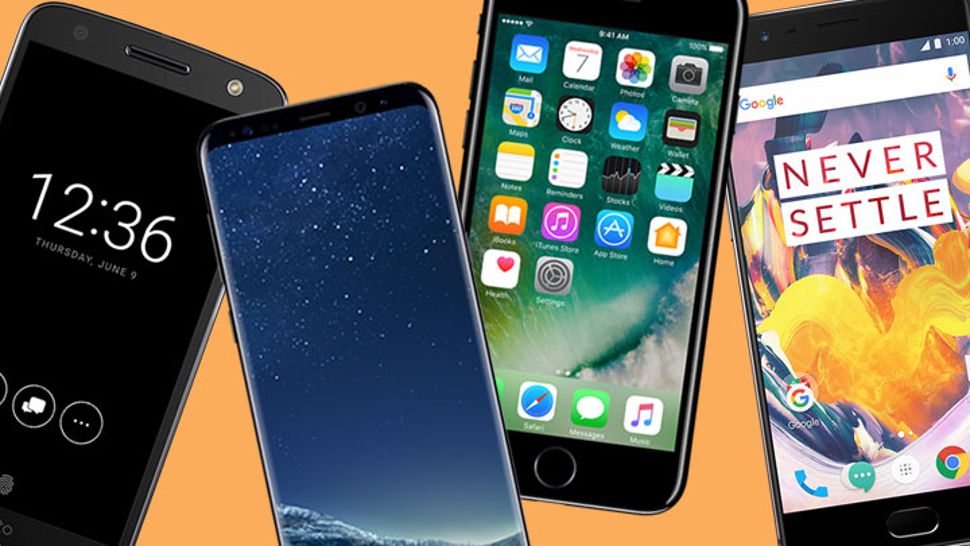
As consumers increasingly seek affordable options, interest in refurbished smartphones is on the rise. According to recent figures from CCS Insight, the organized secondhand smartphone market is projected to grow by 5% in 2025, surpassing the growth of new device sales. However, refurbished phones still account for less than 10% of all smartphones sold, indicating that a significant number of potentially reusable devices are not finding their way back into circulation.
This trend was a focal point at the Mobile World Congress (MWC) 2026, where a panel titled “Would You Buy a Used Phone? How to Build Consumer Confidence in Refurbished Devices” addressed the gap between consumer interest and actual availability. Panelists noted that a lack of consumer confidence is one of the main barriers preventing a more extensive embrace of refurbished smartphones. Many potential buyers remain skeptical about issues such as device quality, battery performance, and the reliability of after-sales support.
Navigating Consumer Concerns
To tackle these challenges, the panel discussed the necessity for longer warranties, standardized grading systems, and certified refurbishment processes. They emphasized clearer labeling practices to enhance the buying experience, fostering a sense of trust among consumers. Technological advancements, including AI-driven diagnostics and grading tools, are enhancing the speed and accuracy of refurbishment processes. Additionally, the introduction of digital product passports is increasing transparency regarding a device's history and condition.
Regulatory changes aimed at promoting eco-design are also encouraging manufacturers to adopt circular-economy strategies that extend product lifecycles. Younger consumers, particularly Gen Z, are emerging as significant drivers of demand for refurbished devices. This demographic often exhibits less stigma around purchasing secondhand technology, a shift seen across various categories such as fashion and furniture.
Rebekah Griffiths, Vice President of Product Management and Strategy at Assurant, shared insights on why so many smartphones never return to the market. One of the main issues is that many phones which could be refurbished end up sitting unused in drawers as backups or simply go unutilized because their owners are unsure of what to do with them. This behavior collectively removes millions of perfectly functional devices from circulation, resulting in both environmental and financial consequences.
“Most smartphones don’t stop working before their end of life — they simply stop being used,” Griffiths noted. This problem often boils down to timing and friction. If the process of trading in a phone feels complicated, inconvenient, or risky—especially concerning personal data—consumers tend to postpone the decision. Moreover, the longer a device remains idle, the less likely it is to be refurbished effectively.
The key to improving the refurbishment landscape lies in simplifying the device return process. By making it easy and secure, and integrating it directly into the upgrade experience, consumers can see the value more clearly. When consumers feel confident about the return process, a greater number of devices can return to circulation for subsequent users. This not only enhances affordability but also supports sustainability.
Turning to the supply side, timing is crucial for ensuring that refurbished phones are widely available and of high quality. Devices need to be returned to the market while they still hold significant value. As phones sit unused, their value and condition deteriorate, making fewer devices suitable for reuse.
The parallels between the refurbished smartphone market and the used car industry are striking. The latter has matured into an ecosystem built around trust, with consumers benefiting from clear inspection standards, transparent condition grading, warranties, and consumer protections. These established protocols significantly reduce anxiety around purchasing a used vehicle, fostering a sense of confidence that is still developing in the refurbished electronics space.
As the refurbished phone market matures, improvements in assessments, clearer grading, and stronger warranties can make these devices feel less like a compromise and more like a smart, confident choice. However, the current landscape remains fraught with uncertainty, which deters potential buyers even when refurbished options offer better value compared to new devices.
If Griffiths could enact one change to the market dynamics, she emphasized the importance of making the process of returning a device as seamless as buying one. Trade-ins should be a natural part of upgrading, complete with clear options, instant value, and assurances regarding personal data security. “When that happens, participation rises without consumers having to think twice,” she stated.
Consistency in the refurbishment process is also vital for building consumer trust. Clear signals—such as transparent battery health, simple condition descriptions, and meaningful warranties—are essential. When expectations are transparent, refurbished phones tend to sell themselves.
While some manufacturers may perceive refurbished devices as detrimental to their bottom line, Griffiths argues that they play a crucial role in creating a sustainable ecosystem. By extending the lifecycle of smartphones and promoting a robust pre-owned device market, companies can foster brand loyalty and customer retention. Businesses that embrace this holistic approach recognize that the value of a product extends beyond its initial sale, allowing for a circular economy that benefits both the environment and consumers alike.
As the refurbished smartphone market continues to evolve, education, transparency, and convenience will be key in driving consumer participation, ultimately making refurbished devices a viable and appealing choice for a broader audience.
You Won't Believe This Insane Galaxy S26 Ultra Deal I Discovered—Act Fast or Miss Out!

You Won't Believe What Pig Farms Are Emitting—Is It Too Late to Save Our Planet?

Shocking Revelations: Student Council Election Rigged? Micah Andrews Exposes Jaw-Dropping Irregularities!

You Won’t Believe Jordin Sparks’ 5-Minute Snack Secret—Find Out What She Swears By!

You Won't Believe What Arne Slot Revealed About Joe Gomez's Shocking Fitness Decline!

Unlock the Secret: Why the Google Pixel 10 at $549 Might Be the Best Tech Deal of 2023!
You might also like: