
Is Global Women's Health Improving? Shocking Statistics Reveal Hidden Gaps You Must See!

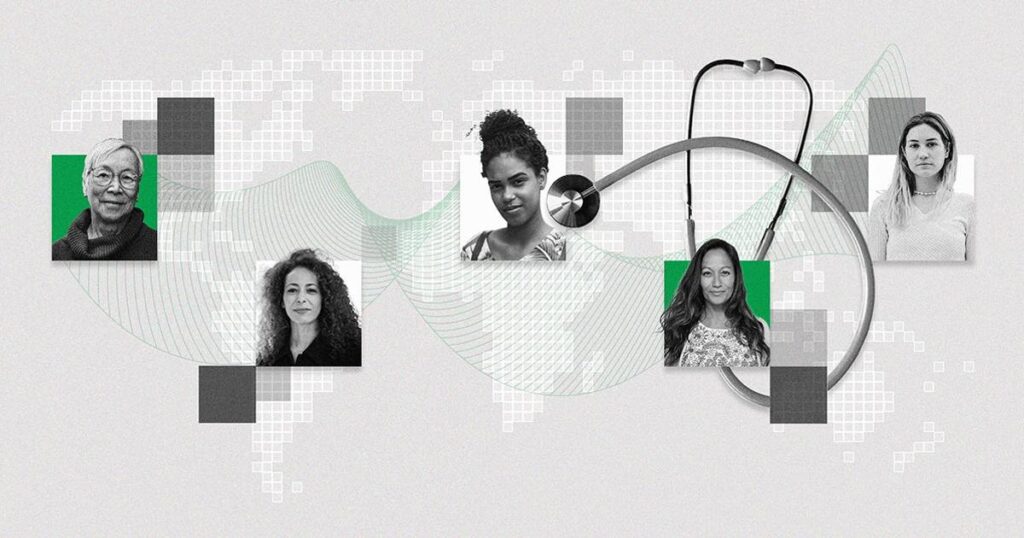
WASHINGTON, D.C. — The latest Hologic Global Women’s Health Index reveals notable advancements in women’s health, with more women than ever before in the Index’s five-year history reporting tests for high blood pressure, cancer, and diabetes. The data also indicates an increase in women feeling secure in their communities. However, these gains are not uniformly distributed, as disparities remain significant, particularly between wealthier and low-income nations.
Since its inception in 2020, the Index has played a pivotal role in illuminating the state of women’s health and well-being worldwide. It examines five dimensions of health: preventive care, perceptions of health and safety, emotional health, basic needs, and individual health. The 2024 iteration is based on annual surveys conducted by Gallup, encompassing over 145,000 individuals aged 15 and older across 144 countries and territories. The next data collection is set to begin later this year.
📰 Table of Contents
Rising Testing Rates
The Index tracks key health screenings, acknowledging their importance in preventing illness and mortality among women globally. In 2024, testing for high blood pressure reached a five-year high at 39%, while diabetes testing rose to a record 24%, an increase of four percentage points. Cancer testing also showed signs of recovery, climbing three points to 13%. However, testing rates for sexually transmitted infections (STIs) remained stagnant at 10%, unchanged since the Index's launch.
While increases in testing reflect progress, they are largely attributed to women aged 51 and older and those hailing from upper-middle- and high-income economies. For example, 51% of women in high-income economies reported having been tested for high blood pressure in 2024, compared to just 26% in low-income economies, where rates have not improved since the Index's inception. Alarmingly, over half of women globally—about 1.5 billion—still reported not having been tested for any of these vital health conditions in 2024.
Perceptions of Safety Improve
Encouragingly, the 2024 survey found that 67% of women felt safe walking alone at night, an increase from 63% in 2023 and the highest rate since the Index began. Despite this positive trend, approximately one-third of women—around 1 billion—still reported feeling unsafe. Notably, men were significantly more likely to report feeling secure, with 78% indicating they felt safe walking alone at night, a gender gap that persists across all surveyed regions.
Even in high-income countries with robust public safety systems, disparities in perceived safety remain stark. Among the top 11 countries with the largest gender gaps (26 points or more), most are considered high-income economies. Singapore stands out as an exception; in 2024, an impressive 97% of women reported feeling safe walking alone at night, closely matching the 98% of men who felt similarly.
Emotional and Financial Struggles Persist
While certain indicators of women's health have improved, other metrics reveal ongoing challenges. In 2024, emotional health indicators remained troubling, with 42% of women reporting feelings of worry and 28% experiencing sadness the previous day, both figures higher than in the Index's initial year. Financial hardship also looms large; nearly four in ten women (37%) said they faced times in the past year when they could not afford food, and about one in three (31%) struggled to secure housing, highlighting the economic difficulties affecting roughly 1 billion women worldwide.
Physical health challenges have also continued to affect women. In 2024, 34% reported experiencing physical pain during much of the previous day, a rate consistent with levels observed from 2021 to 2023 but higher than in the Index's first year. Additionally, nearly one in four women (24%) cited health problems that hindered them from performing regular daily activities.
A Complex Landscape
The Index summarizes women’s survey responses into a single score across the five health dimensions. Despite advancements in certain areas, the overall global score for 2024 remained unchanged at 54 out of 100 since 2020. Gains have been noted in 28 countries, while ten have seen declines, and many others have experienced little change. No country or territory achieved a score higher than 69.
Leading the rankings, Taiwan scored 69, followed by Latvia and Japan at 66. The United States reached its highest ranking to date, placing 13th with a score of 64, largely attributed to improvements in preventive care. Specifically, testing rates for high blood pressure increased from 56% in 2020 to 68% in 2024, with similar upward trends for diabetes and cancer testing.
Despite these gains, the U.S. still trails many peer nations and exhibits gender disparities in healthcare satisfaction and perceptions of safety. In 2024, 81% of men reported satisfaction with the availability of quality healthcare in their area compared to only 72% of women.
The findings from the 2024 Hologic Global Women’s Health Index highlight both progress and persistent disparities in women’s health across the globe. As the world continues to navigate these complexities, ongoing measurement and focus on women’s experiences remain crucial to addressing these issues effectively.
To read the full report, visit the Gallup website or follow @Gallup on X and Instagram to stay updated with the latest insights.
You Won’t Believe What’s Happening in the Mid-Ohio Valley: Shocking News, Sports Drama, and Job Secrets Revealed!

Why Georgia’s Nabilah Parkes’ Shocking Resignation Could Change Everything for the 2024 Election!

Major US TV Networks Cut Climate Coverage by 35%—What Are They Hiding? Don’t Miss This!

How Lee Stiles Shocked Everyone to Become Morehead City's New Mayor—You Won't Believe What Happened!

You Won't Believe What Happens When You Miss This Free Online Event—Schedule Revealed!
You Won't Believe How Reddit's Numbers Show a Shocking Shift in Sports Fandoms—Are You Missing Out?
You might also like: