
Major US TV Networks Cut Climate Coverage by 35%—What Are They Hiding? Don’t Miss This!


In a concerning trend, major US broadcast networks are significantly reducing their coverage of the climate crisis, even as global temperatures rise and extreme weather events become increasingly commonplace. A recent analysis by the non-profit watchdog Media Matters reveals that ABC, CBS, and NBC combined aired only 8 hours and 25 minutes of climate-related content across 201 segments in 2025. This marks a staggering 35% decrease from 2024 and is a stark drop from the 23 hours of coverage reported in 2022.
Breaking down the numbers, CBS was the most prolific among the networks, accounting for 48% of the total climate coverage in 2025. NBC followed with 39%, while ABC lagged significantly behind at just 13%. Notably, much of the climate coverage was tied to isolated events, such as the devastating wildfires in Los Angeles and Hurricane Melissa, rather than addressing the systemic issues driving the climate crisis, particularly the role of fossil fuels. This pattern raises questions about the media's responsibility in reporting on the broader, long-term impacts of climate change.
Under President Donald Trump's administration, the federal government's role in combating climate change has shifted notably. Since taking office in January 2025, Trump has dismissed climate change as a “con job,” while simultaneously enacting policies that favor fossil fuel industries. Alarmingly, the analysis found that only 15% of total climate coverage on the major networks referenced federal climate actions. This reflects a long-standing trend of underreporting by US broadcast networks; in 2024, federal climate initiatives were mentioned in just 6% of segments, despite the Biden administration's significant policy implementations aimed at combatting climate change.
In contrast, PBS’s NewsHour emerged as a notable exception, providing more comprehensive coverage of climate-related federal actions. In 2025, the program aired 87 climate segments, with 39% specifically referencing federal initiatives. This reinforces the notion that public broadcasting services may be more committed to in-depth climate journalism compared to their commercial counterparts.
On a broader scale, the analysis highlights a disconcerting global trend in climate journalism. Reports indicate that climate coverage has decreased by 14% worldwide in 2025 compared to the previous year, placing it at its lowest level in over two decades. Issues surrounding climate justice and fossil fuel accountability received minimal attention, comprising just 2% and 8% of total climate coverage, respectively. Voices from affected communities and first responders remain largely underrepresented, further emphasizing a gap in the media landscape that fails to capture the multifaceted nature of the climate crisis.
As extreme heat increasingly poses risks to public health and safety in various regions, the media's diminishing focus on climate issues raises critical questions about accountability and the efficacy of reporting. With rising public interest in environmental issues, it is essential for major networks to reassess their coverage strategies to include deeper discussions about the ongoing climate crisis, ensuring that it is not solely reactionary but rather seeks to address the systemic drivers that contribute to environmental degradation.
As we witness these worrying developments, Americans must advocate for more comprehensive climate journalism. With the stakes higher than ever, informed reporting is crucial for fostering awareness and inspiring action against the looming threats posed by climate change.
How Lee Stiles Shocked Everyone to Become Morehead City's New Mayor—You Won't Believe What Happened!

You Won't Believe What Happens When You Miss This Free Online Event—Schedule Revealed!
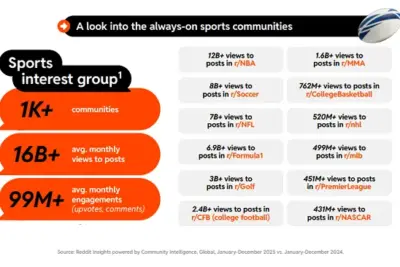
You Won't Believe How Reddit's Numbers Show a Shocking Shift in Sports Fandoms—Are You Missing Out?

Is Your Cat Secretly at Risk? 7 Shocking Reasons Why Indoor vs. Outdoor Could Save Their Life!

100,000 New Engineering Jobs Are Coming—Are You Prepared to Seize Your Chance?

Discover the Shocking Health Secrets at Tyler's 'Spring Into Good Health'—Are You Missing Out?
You might also like: