
Oil Prices on the Brink: Could We See a Shocking 15% Drop in the S&P 500 This Month?

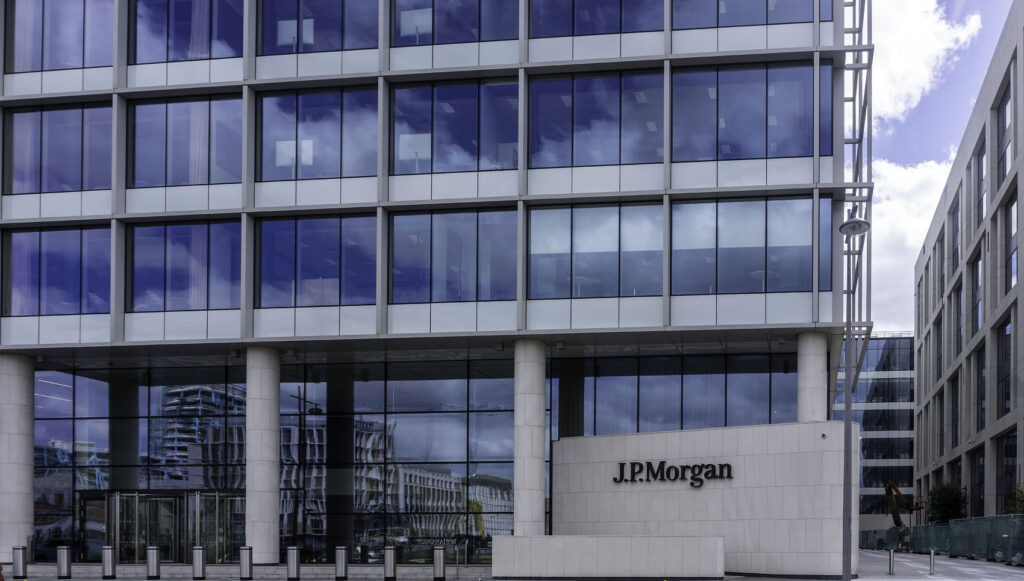
In a recent assessment, JPMorgan Private Bank issued a warning about the potential economic fallout if oil prices remain elevated. The bank's analysis indicates that if crude oil prices stay above $90 per barrel, the ongoing sell-off in the S&P 500 Index could intensify, resulting in significant losses across global stock markets and negatively impacting economic growth.
According to a report from JPMorgan, sustained oil prices at this level could trigger a 10% to 15% correction in the S&P 500 Index. This correction would likely have spillover effects on international and emerging markets, amplifying the overall economic downturn. Kriti Gupta, Executive Director of JPMorgan Private Bank, and Joe Seydl, Senior Market Economist, emphasized that as oil prices climb to $120 per barrel or higher, the sell-off in the S&P 500 could worsen, leading to what they describe as a "domino effect" in equity markets.
As oil prices hover around $100 per barrel, primarily due to concerns over supply disruptions in the Middle East, U.S. consumers already feel the impact at the pump. Data from the American Automobile Association (AAA) indicates that the national average gasoline price has surged to $3.63 per gallon, reflecting a 21% increase since the onset of the U.S.-Iran conflict two weeks ago. This rise in fuel prices, coupled with potential stock market losses, may lead households to reassess their spending habits, contributing to a broader economic slowdown.
JPMorgan's report highlights two primary channels through which rising oil prices could harm economic growth. First, higher gasoline prices directly affect household budgets, leading consumers to cut back on discretionary spending. Second, the wealth effect could come into play, where declining stock market values may erode consumer confidence and spending. The Federal Reserve reported that U.S. households held approximately $56.4 trillion in stocks and mutual fund shares as of the third quarter. A 10% decline in the S&P 500 Index could result in about a 1% reduction in U.S. consumer spending.
The convergence of persistently high oil prices and a declining stock market poses a unique challenge for the U.S. economy. JPMorgan warned that the compounded effects of these factors could create a devastating impact on demand, significantly amplifying the shock to economic growth. The situation is exacerbated by rising inflation concerns, as escalating oil prices may further stifle economic expansion. Some forecasting agencies have recently increased their estimates regarding the likelihood of a U.S. economic recession.
The ongoing situation in the Middle East is a crucial context to understand these dynamics. As the conflict unfolds, it adds pressure on an already strained global economic landscape. The potential for escalating oil prices is a source of concern not only for U.S. consumers but also for policymakers who must navigate these turbulent waters.
In summary, the outlook from JPMorgan Private Bank serves as a stark reminder of how intertwined global markets and local economies truly are. With rising oil prices and a shaky stock market, the implications for consumer behavior, inflation, and economic growth are increasingly concerning. As these factors evolve, stakeholders from consumers to policymakers will need to closely monitor the situation, as the potential economic repercussions are significant.
Sanofi's COVID-19 Vaccine for UK Boosters: What Shocking Secrets Are Hidden? You Won't Believe What Happens Next!

Dartmouth's Shocking New Addiction Center: Will It Save Lives or Spark Controversy?

You Won’t Believe How ‘Sinners’ Snatched Victory from ‘One Battle After Another’—Find Out What Happens Next!

Is Maryland Really Ready? Gov. Wes Moore's Shocking Storm Alert Reveals Startling Risks Ahead!

Why Spanberger's Next Move Could Impact 1 Million Virginians: The Clock is Ticking!

I Embraced Every Chinese Custom—Then Made a Risky Move That Shocked Everyone!
You might also like: