
Is the NFL's Shocking New Economics Dooming the Packers? Find Out What’s at Stake!

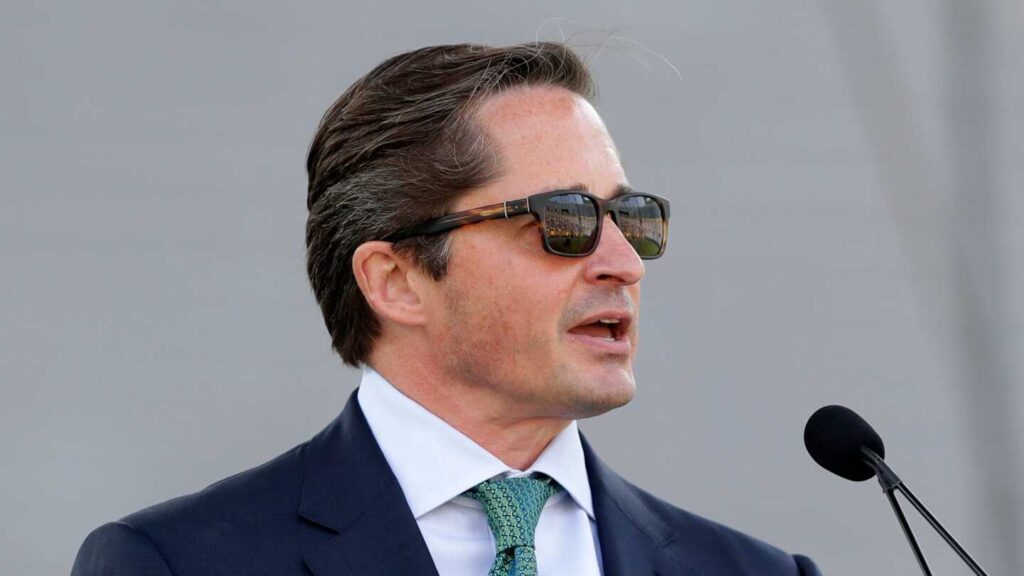
The financial landscape of the National Football League (NFL) is shifting dramatically, especially for team owners looking to capitalize on the booming market for sports franchises. Recent moves by many owners have shown a trend towards selling small slices of their equity to private-equity funds, generating substantial cash inflows. Notably, Miami Dolphins owner Stephen Ross recently sold one percent of his team at a staggering $12.5 billion valuation.
Amid this financial frenzy, the Green Bay Packers, the only publicly-owned franchise in the league, may find themselves at a disadvantage. In a recent interview with Ben Fischer of Sports Business Journal, Packers president and CEO Ed Policy expressed concerns about competing with the wealthier owners of the 31 other franchises who stand to benefit disproportionately from this trend.
“If you think about, any other team, they’ve got deep-pocketed owners, most of them are worth significantly more than that, and they could sell less than 10% of their team, give up no controlling interest, and raise a heck of a lot more than that,”
Policy's statement encapsulates the challenge the Packers face. With a significant waiting list for tickets and a strong fan base, the Packers are eager to find innovative ways to boost revenue, especially as team valuations skyrocket.
One potential avenue for increased revenue is pursuing a naming rights deal for Lambeau Field. According to Policy, they are currently the only stadium in the NFL without such a deal, though he indicated that this is a threshold they are not keen to cross immediately. However, the idea of “Lambeau Field presented by Google” or something similarly catchy could become a reality sooner rather than later.
In the meantime, the franchise is set to increase ticket prices for home games by three to eleven percent this year. Despite being one of the most sought-after teams in terms of demand, Policy noted that their ticket prices remain "middle of the pack."
“Despite the fact that we are probably a top-three team in terms of demand, we are middle of the pack in terms of price,”
This disparity presents a compelling argument for raising prices. The substantial waiting list for season tickets indicates that the current price points are likely too low. As franchise values continue to climb, the Packers may soon find that they have no choice but to make the game-day experience more expensive to keep pace with their wealthier competitors.
While it's not yet a crisis for the Packers, Policy is intent on ensuring financial factors do not interfere with their football decisions. “Finance and economics really don’t play into our football decision-making right now, and it’s my job to ensure that it never does,” he stated. However, he acknowledged the urgency of keeping the franchise competitive in an ever-evolving market.
“Given the pace that the expenses have accelerated over the past few years, if we find ourselves falling behind, it’s going to be really hard to catch up. So, we have to keep ourselves in a position where we’re not falling behind.”
Some critics may perceive the Packers’ situation as a precursor to larger financial shifts in the NFL, particularly as owners gear up for the next round of labor negotiations. The Packers reported a profit of $83.7 million in the last fiscal year, but a downturn in that figure could spell trouble. If worse comes to worst, the organization may once again consider selling more stock to fans eager to own a piece of their beloved team.
The Packers are at a crossroads, navigating the fine line between maintaining their community-centric ownership model and adapting to the financial realities of a league where wealth continues to consolidate among a few elite owners. The decisions they make in the coming years will not only define their financial health but also their legacy in a sport increasingly driven by riches and influence.
Prepare to Shell Out $100 More for Your Next Android Upgrade—Here's Why You’ll Regret Waiting!

Unbelievable! Meet the 5 Grandparents Battling Against Vaccine Misinformation—Their Shocking Stories Will Leave You Speechless!

Is a $37 Million Stake Trim in Sotera Health Hiding a Major Red Flag? Discover the Shocking Truth!
Unlock the Shocking Truth: What Happens When Your Request Gets Denied? Find Out Now!
You Won’t Believe What JJ Redick Said About LeBron’s Shocking OT Move—It Changes Everything!

Why This Governor’s Dark Secrets Make Negan Look Like a Teddy Bear—Shocking Revelations Inside!
You might also like: