
Is This Canadian Startup's Combat Drone the Future of Warfare? F-35s at Risk!

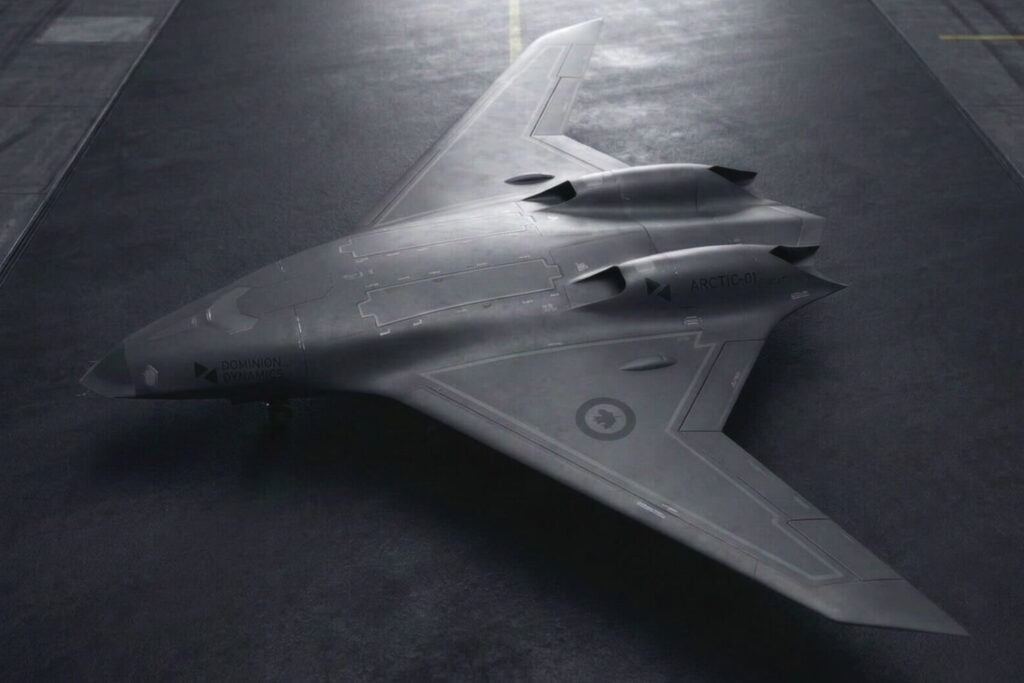
Dominion Dynamics, a startup based in Ottawa, is making significant strides in the realm of military technology with its plans to develop a new combat drone known as the Autonomous Collaborative Platform (ACP). This innovative unmanned aircraft is designed to operate alongside modern fighter jets like the F-35, as armed forces increasingly integrate unmanned systems into their air operations.
The company is investing approximately $50 million in the ACP project, which aims to enhance operational capabilities in missions deemed too dangerous for human pilots. With potential roles including surveillance, electronic warfare, and forward operations in contested environments, the ACP represents a significant evolution in air combat strategy.
Currently, Dominion Dynamics has leased a facility in Kanata for its production activities, where equipment installation is underway. The company, which has around 35 employees at present, plans to expand its workforce to about 100 by the end of the year.
One of the central challenges of developing the ACP is ensuring that it meets Canada's unique operational requirements, particularly in the Arctic. The drone will need to operate over vast distances, cope with limited communication infrastructure, and withstand extreme cold. Additionally, it is expected to function effectively from unprepared surfaces like gravel runways, which are common in remote areas of Canada.
Dominion Dynamics argues that new fighter aircraft alone are insufficient for monitoring Canada’s expansive territory. Their vision is to complement crewed fleets with unmanned systems like the ACP, which could also work in conjunction with ground-based systems and other airborne assets. This approach highlights a growing recognition within military circles that integrating advanced technology is essential for effective defense strategies.
Rather than creating a single configuration for the ACP, the company is pursuing a modular design. This will allow for a common platform that can be customized for various missions through adjustments in sensors, payloads, and onboard systems. Development efforts will initially focus on a scaled-down version of the drone, with a full-scale prototype expected to be ready within 24 to 36 months. To guide these efforts, the company is also developing simulation tools to help define operational concepts and refine system requirements.
An essential aspect of the ACP’s development is its interoperability with various platforms used by Canada and its allies. This capability is crucial, as it will enable the drone to integrate seamlessly with a range of NATO-operated systems, enhancing collaborative efforts in international military operations.
The push for advanced unmanned combat systems reflects a broader trend in military strategy, where nations are increasingly looking to integrate AI and automation in defense. As military engagements evolve, the demand for technologies that can perform high-risk missions without putting lives on the line is likely to increase.
With a clear vision and substantial investment backing, Dominion Dynamics is positioning itself at the forefront of this transformative movement in military aviation. The ACP not only underscores the potential of drone technology in defense but also signals a shift in how airpower will be structured in the years to come.
XRP and Solana ETF Holders Are Holding On for DEAR LIFE—Find Out What Bloomberg Says Will Happen Next!
Your Browser is Holding You Back: 5 Shocking Risks You’ll Face If You Don’t Upgrade NOW!

Judge SHOCKS OpenAI lawyers: Why Elon Musk is OFF LIMITS – You won’t believe the REASON!

Shocking Exodus: 3 Iranian Women Soccer Stars Flee Australia—What Happens Next Will Stun You!

How Tech Giants Like Elon Musk and Tim Cook Navigate Family Life Amid AI Chaos - You Won't Believe Their Secrets!

Oil Prices Skyrocket 50%: Is Your Retirement Fund at Risk? Shocking Stock Market Fallout Revealed!
You might also like: