
XRP and Solana ETF Holders Are Holding On for DEAR LIFE—Find Out What Bloomberg Says Will Happen Next!

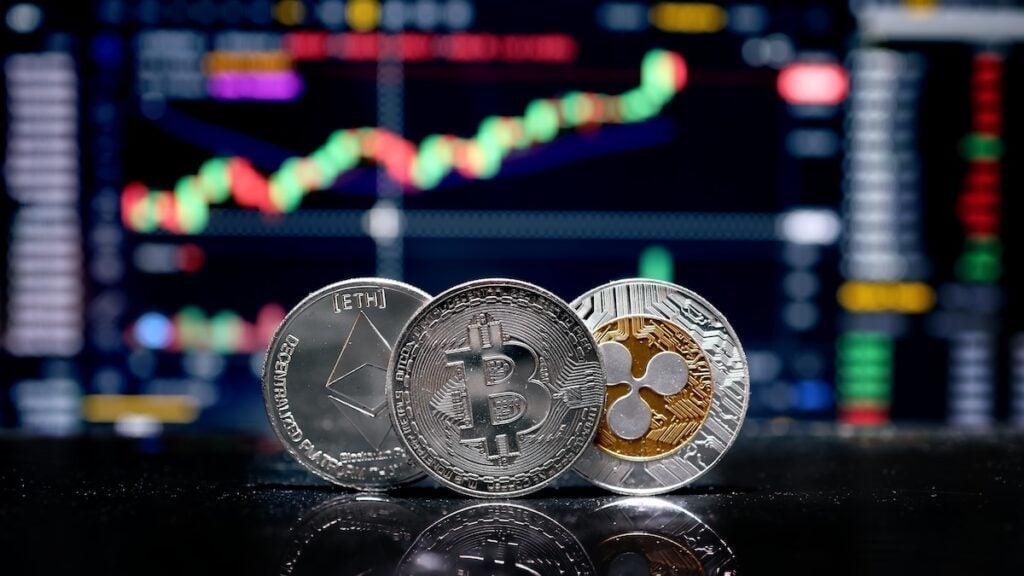
In an intriguing shift within the cryptocurrency ETF landscape, holders of XRP and Solana ETFs have demonstrated remarkable resilience, outpacing traditional holders of Bitcoin and Ethereum ETFs. According to Bloomberg's senior ETF analyst, James Seyffart, both XRP and Solana ETFs have collectively held $1.4 billion in inflows, despite significant declines in their asset values of over 60%. This trend highlights a stark contrast to Bitcoin and Ethereum ETFs, which have seen substantial outflows during market downturns.
Seyffart shared these insights on the Milk Road podcast, emphasizing that XRP and Solana ETF holders have exhibited "even better diamond hands" than their Bitcoin and Ethereum counterparts. While Bitcoin ETFs faced approximately $9 billion in outflows between October 10, 2025, and February 23, 2026, representing about 12-15% of total flows reversing after Bitcoin's price fell over 50%, Ethereum ETFs experienced an even steeper decline, with 25% of flows reversing following a drop of more than 60%.
The divergence in holder behavior can be attributed to the different investor bases behind these ETFs. Seyffart noted that Bitcoin and Ethereum ETFs were heavily affected by basis trade flows—where investors buy the spot ETF and short futures to capitalize on price differentials. When the basis collapsed, it led to an exodus of short-term capital. In contrast, XRP and Solana ETFs were launched when the basis was in the single digits, implying that those investing in these products were more likely long-term holders rather than traders seeking short-term gains.
Institutional involvement also varies among the different ETFs. As of December 2025, about 50% of Solana ETF holders were classified as 13F filers, indicating strong institutional backing. On the other hand, less than 15% of XRP ETF holders belong to known institutions, suggesting a higher proportion of retail investors. The presence of prominent firms like Goldman Sachs among top holders of both Solana and XRP ETFs has garnered attention, but Seyffart cautioned against overinterpretation, stating that these positions likely represent trading desk activities rather than long-term commitments.
Despite current challenges, Seyffart expressed optimism about the future of these ETFs. He noted that advisors and institutions are beginning to show readiness to engage with cryptocurrency ETFs, which could lead to increased demand. Currently, many investment platforms still do not offer opportunities to invest in these products, but this is changing. Once cryptocurrency ETFs are included in model portfolios, additional demand is expected to follow.
The significance of this trend is further emphasized by the staggering figure of $30 trillion in the U.S. financial advisor market. Even a modest 1% allocation from this sector could have an “absolutely massive” impact on the cryptocurrency space, suggesting a significant potential for growth and investment in the coming years.
As the landscape of cryptocurrency continues to evolve, the behavior of XRP and Solana ETF holders may serve as a bellwether for the resilience and long-term conviction in the crypto market. Investors and analysts alike will be watching closely to see how these trends develop and what implications they hold for the future of cryptocurrency investments.
Your Browser is Holding You Back: 5 Shocking Risks You’ll Face If You Don’t Upgrade NOW!
Judge SHOCKS OpenAI lawyers: Why Elon Musk is OFF LIMITS – You won’t believe the REASON!
Shocking Exodus: 3 Iranian Women Soccer Stars Flee Australia—What Happens Next Will Stun You!

How Tech Giants Like Elon Musk and Tim Cook Navigate Family Life Amid AI Chaos - You Won't Believe Their Secrets!

Oil Prices Skyrocket 50%: Is Your Retirement Fund at Risk? Shocking Stock Market Fallout Revealed!

Is the Lowrider Museum Dream in Española DOOMED? Governor's Shocking Veto Leaves Plans in Chaos!
You might also like: