Judge SHOCKS OpenAI lawyers: Why Elon Musk is OFF LIMITS – You won’t believe the REASON!

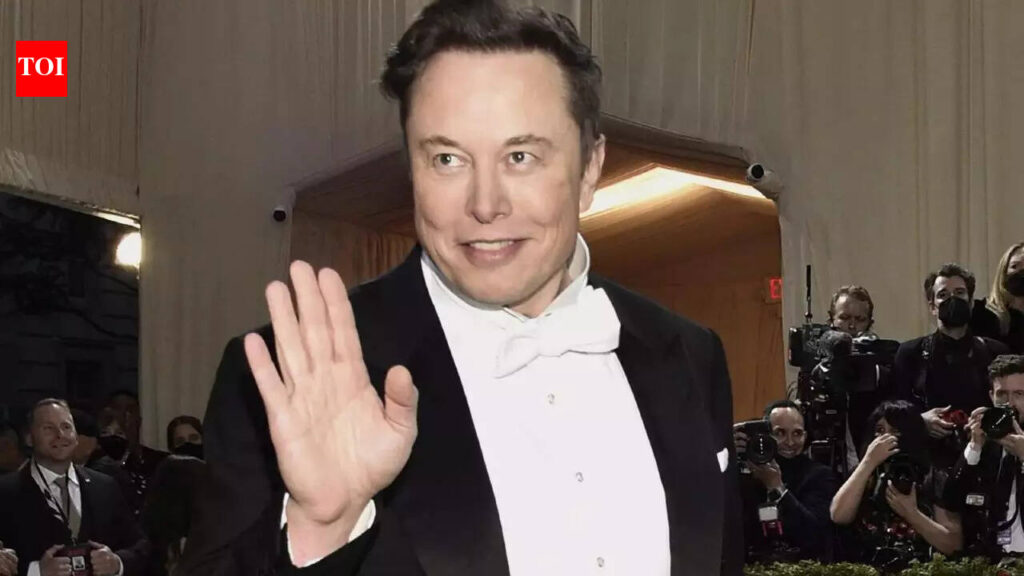
Tesla CEO Elon Musk is set to navigate a complex legal battle against OpenAI in a trial scheduled to commence on April 28, 2024. A recent ruling from U.S. District Judge Yvonne Gonzalez Rogers has clarified that Musk will not be questioned about his previous use of the drug ketamine during the proceedings. This decision has garnered attention as OpenAI's legal team had sought to introduce this issue in an attempt to undermine Musk's credibility.
During a hearing in Oakland, California, the judge deemed the topic of ketamine irrelevant to the current case, which centers around Musk's claims that OpenAI co-founders Sam Altman and Greg Brockman misled him regarding the organization’s commitment to remain a nonprofit. Musk asserts that his generous donation of approximately $38 million was made under the premise that OpenAI would retain its nonprofit status. He is seeking damages estimated between $79 billion and $134 billion from both OpenAI and its major investor, Microsoft, who poured $13 billion into the startup.
In recent years, ketamine has been gaining attention as a treatment for severe depression, but its recreational use raises concerns. Musk has previously stated that he used the drug under prescription years back and has since abstained. OpenAI's lawyers argued that significant communications occurred while Musk attended the Burning Man festival, where drug use is commonplace. However, the judge indicated that questioning Musk about his experiences at the festival could be permissible, suggesting a more nuanced approach to the matter.
Judge Rogers also made it clear that any damages awarded by the jury would just be advisory; she will have the final say on the amount. Furthermore, she hinted that Musk might be limited in pursuing additional punitive damages. This highlights the challenges Musk faces in establishing a credible claim in a legal landscape that can often favor well-established tech giants like OpenAI and Microsoft.
The trial itself is expected to last about four weeks and will include testimony from several key figures in the technology sector. Potential witnesses range from Musk himself to Altman, Brockman, and other prominent individuals such as Satya Nadella, the CEO of Microsoft, and former OpenAI Chief Technology Officer Mira Murati.
Importantly, Judge Rogers emphasized that high-profile technology executives will not be afforded any special treatment during the trial. All witnesses must enter through the public entrance, and both sides are required to cover the jury's lunch during deliberations. This is a pointed reminder of the court's expectations for decorum and fairness, especially given the high stakes involved in this case.
Beyond the courtroom, the implications of this dispute resonate within the broader conversation around the ethics of artificial intelligence and the financial motivations driving major players in this rapidly evolving field. With Musk alleging that he was misled about OpenAI’s future trajectory, the outcome of this trial could have ramifications not only for the companies involved but also for the regulatory landscape governing AI development.
As this legal saga unfolds, it raises critical questions about accountability and transparency in the tech industry, particularly as it pertains to funding and the relationships between founders and investors. The trial will also serve as a focal point for discussions surrounding the commercialization of artificial intelligence and whether early supporters like Musk deserve recognition in the financial success of entities like OpenAI.
In an age where the boundaries of technology are constantly being pushed, this case will likely shine a spotlight on the intricate dynamics between innovators, financiers, and the often murky waters of corporate governance.
Shocking Exodus: 3 Iranian Women Soccer Stars Flee Australia—What Happens Next Will Stun You!

How Tech Giants Like Elon Musk and Tim Cook Navigate Family Life Amid AI Chaos - You Won't Believe Their Secrets!

Oil Prices Skyrocket 50%: Is Your Retirement Fund at Risk? Shocking Stock Market Fallout Revealed!
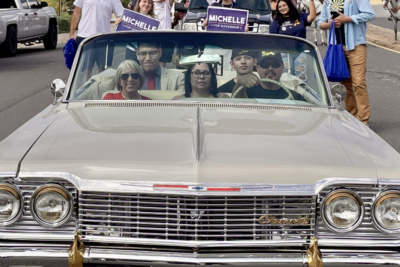
Is the Lowrider Museum Dream in Española DOOMED? Governor's Shocking Veto Leaves Plans in Chaos!
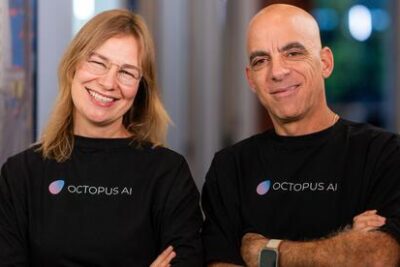
Finance is in CRISIS: Why Octopus AI’s SHOCKING New Strategy Could Save You Thousands!

How a COVID-19 Crisis Transformed Nirav Shah: The Shocking Truth Behind His Run for Maine Governor!
You might also like: