
Is Your Computer Science Degree Obsolete? Perplexity CEO Reveals Shocking AI Shift!

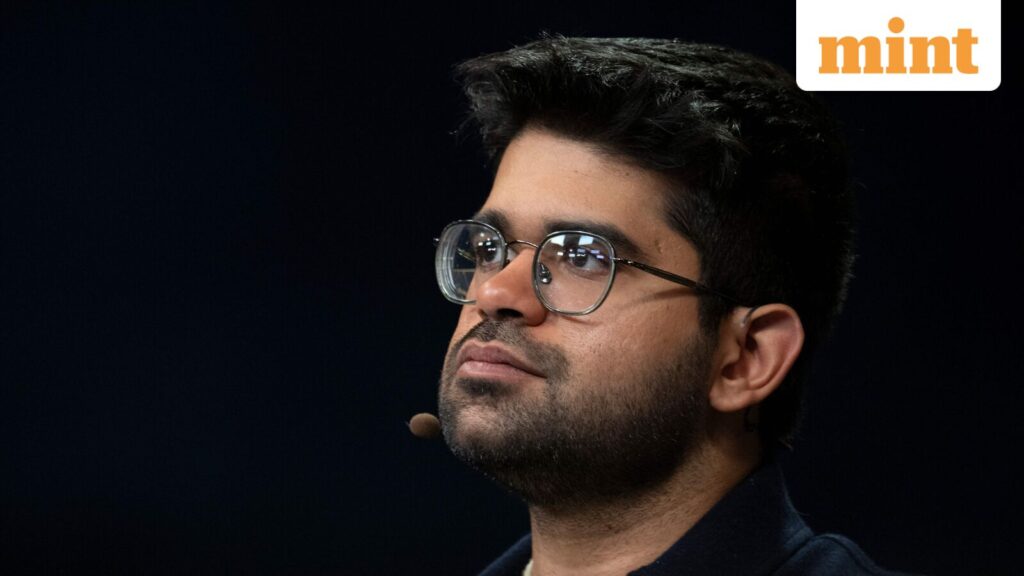
The landscape of software engineering is undergoing a seismic shift, driven by advancements in artificial intelligence (AI). Recently, Aravind Srinivas, the CEO of Perplexity, echoed a viral sentiment on social media, agreeing that AI models are automating many software engineering tasks, suggesting that the field is gradually shifting back to its roots in physics, mathematics, and electrical engineering. A user on X, known as @TheVixhal, captured this sentiment succinctly, stating, “The field’s center of gravity is shifting away from manual code writing and toward deeper theoretical thinking, mathematical insight, and systems-level reasoning.” Srinivas simply replied, “Well said,” indicating his support for this viewpoint and the broader implications it holds for the industry.
Srinivas is not alone in his assessment. Other tech leaders have also voiced concerns about the future of software engineering in the face of AI advancements. Dario Amodei, CEO of Anthropic, previously suggested that AI could be only six to twelve months away from performing most, if not all, tasks typically handled by software engineers. In a podcast earlier this year, he remarked, “I think… I don’t know… we might be six to twelve months away from when the model is doing most, maybe all of what SWEs (software engineers) do end to end.” This alarming prediction highlights the urgency of addressing the evolving role of software engineers.
Amjad Masad, CEO of Replit, has also raised alarms about the future of traditional software engineering roles. During an interaction at the AI Impact Summit last month, he stated, “Software engineering, as a role, sort of disappears. What [you’ll] have is generalist product people, problem solvers, or systems people.” His comments reflect a growing consensus that the nature of work in the tech sector is changing, emphasizing adaptability and a broad skill set over niche expertise.
Reimagining Jobs in the Age of AI
Despite the grim outlook from some tech executives, not everyone believes AI will eliminate jobs outright. Nvidia CEO Jensen Huang has been vocal about the transformative potential of AI, advocating that while it will reshape various jobs, it will not necessarily replace them. “Every job will be affected, and immediately. It is unquestionable… You’re not going to lose your job to an AI, but you’re going to lose your job to someone who uses AI,” he said last year. Huang's perspective suggests that adaptability will be key for workers in a rapidly changing job landscape, underscoring the importance of embracing AI tools rather than fearing them.
This year, Huang emphasized that jobs requiring manual skills, such as plumbing, construction, and electrical work, may remain more secure from AI disruption. He noted, “It's wonderful that the jobs are related to tradecraft and we're going to have plumbers and electricians and construction and steelworkers.” Highlighting the demand for skilled trades, he added, “So we're talking about six-figure salaries for people who are building chip factories or computer factories or AI factories, and we have a great shortage in that.” This statement points to a potential opportunity for individuals willing to adapt and transition into roles that AI cannot easily replicate.
As AI continues to evolve, it raises critical questions about the future workforce in the tech industry. The consensus among leaders like Srinivas, Amodei, and Masad indicates that while the nature of software engineering is changing, the emphasis on theoretical knowledge, problem-solving, and adaptability may lead to new opportunities for those willing to rethink their roles. The challenge for current software engineers will be to embrace these shifts and focus on developing a robust skill set that complements AI capabilities.
In conclusion, as AI automates more traditional coding tasks, the software engineering field is likely to see a reevaluation of its essential skills and roles. The insights from industry leaders paint a picture of a future that is both uncertain and ripe with potential for those who are prepared to pivot. Whether this transformation results in job displacement or new opportunities hinges largely on how individuals and organizations respond to the inevitable changes brought forth by AI.
Is Climate Change Sabotaging the Winter Paralympics? 5 Shocking Stats That Will Make You Rethink Everything!

Smartphone Sales Plunge: Is Your Next Phone About to Cost You 13% More?

Oakland’s Shocking Foreclosure Spike: Is CBRE Group's Investment at Risk? Find Out Now!

You Won't Believe These 3 Snacks Can Transform Your Heart Health—Cardiologist's Top Picks!

Washington Governor Just Signed 17 Game-Changing Laws—What This Means for Your Wallet!

You Won't Believe the Shocking Price a Chicago Investor Paid for This Arlington Heights Complex!
You might also like: