
Is Climate Change Sabotaging the Winter Paralympics? 5 Shocking Stats That Will Make You Rethink Everything!

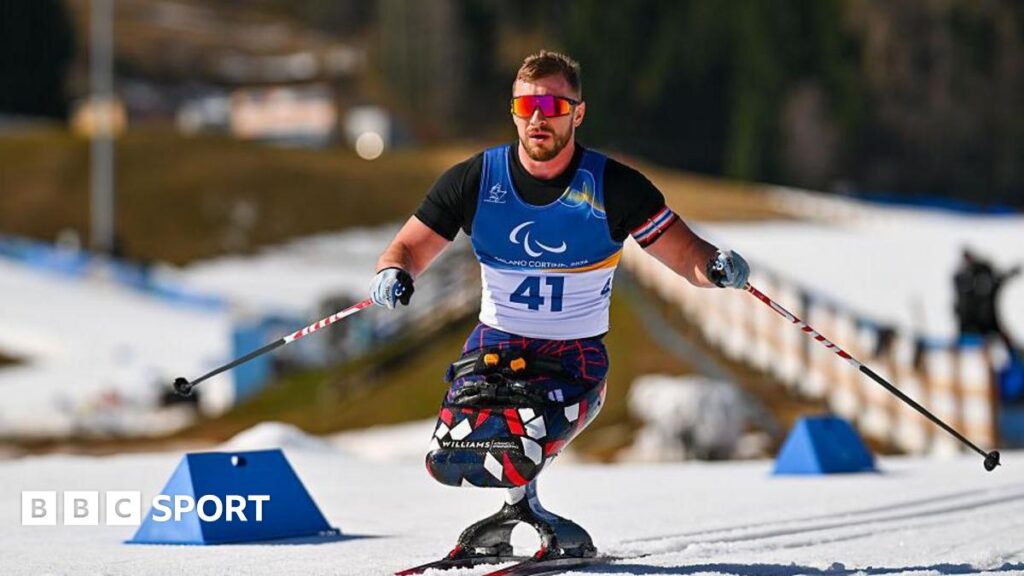
Athletes in T-shirts, fans applying suncream—have these been the Summer or Winter Paralympics? If you were to listen to American skier Patrick Halgren, who described the conditions at the Milan-Cortina Games as "tropical" and "like surfing," you might think it was summertime. However, Halgren is a competitor in the Winter Paralympics, which have traditionally taken place in March, just a couple of weeks after the Winter Olympics since the 1992 Games.
The scheduling of the Paralympics has led to conditions that can be more reminiscent of spring than winter. In fact, temperatures during the Games have peaked at a staggering 26°C (78.8°F) in previous years, such as during the 2022 Beijing Games. While the weather in Cortina hasn't reached those extremes, it has remained unseasonably warm, with snow only visible on the groomed competition pistes until a significant snowfall occurred the night before the final day of competition.
Several days of blazing sun, coupled with intermittent rain, have resulted in soft and slushy snow conditions on the courses, which tends to stick to athletes' skis and snowboards. This has become a pressing issue for organizers, as shown when a third official training session for the Para-alpine skiing downhill events was canceled in an effort to maintain the integrity of the pistes.
The challenges posed by these conditions have not gone unnoticed by the athletes. British visually impaired skier Fred Warburton described the surface during the men's giant slalom as a "bathtub of Slush Puppie," highlighting the unpredictable nature of the snow. His guide, James Hannan, explained that "the snow surface was changing every single gate, so we never knew how the ski was going to react." This unpredictability can turn a race into a test of survival for the athletes.
The adverse conditions proved especially challenging during the sitting event, which followed the visually impaired and standing races, with 18 out of 37 athletes failing to finish the course. Warburton voiced concerns not just about this year's events but also about the future. "The organizers need to look at scheduling with obvious changes of the climate that we're experiencing," he stated. "Both the Olympics and Paralympics want to be top spectacles of skiing and allow athletes to put their best work down." He suggested that it might be time to reconsider the timing of the Games altogether.
His sentiments echoed those of retired American Paralympic snowboarder Amy Purdy, who expressed similar concerns in a recent video on TikTok, stating, "I don't believe that the Paralympics should be happening right now." Her remarks came after adjustments to the snowboard cross course were needed due to numerous crashes during training, a consequence of both the design and the warm conditions.
This year's Winter Paralympics in Milan-Cortina have sparked a critical conversation about the impacts of climate change on winter sports. As temperatures rise globally, the once-reliable winter conditions are becoming increasingly unpredictable. Events that once took place in the depths of winter now find themselves navigating spring-like weather, posing safety risks and complicating the competition.
The discussion around the scheduling of the Paralympics is not just about immediate concerns; it has broader implications for the future of winter sports. Athletes, organizers, and fans alike must grapple with the reality that climate change may require a reevaluation of traditional practices and schedules. As Warburton aptly pointed out, "it seems pretty logical to me" to rethink the timing of such significant events, ensuring that they remain a true showcase of athletic excellence.
As the Paralympics continue, the call for change grows louder, emphasizing the need for adaptive strategies in the face of climate challenges. The athletes deserve the opportunity to compete under conditions that allow them to excel, and it is imperative that organizers respond to the evolving landscape of winter sports.
Smartphone Sales Plunge: Is Your Next Phone About to Cost You 13% More?

Oakland’s Shocking Foreclosure Spike: Is CBRE Group's Investment at Risk? Find Out Now!

You Won't Believe These 3 Snacks Can Transform Your Heart Health—Cardiologist's Top Picks!

Washington Governor Just Signed 17 Game-Changing Laws—What This Means for Your Wallet!

You Won't Believe the Shocking Price a Chicago Investor Paid for This Arlington Heights Complex!

Thai Parliament Opens Amid Fierce Controversy—What Shocking Secrets About Election Ballots Are About to Be Revealed?
You might also like: