
Smartphone Sales Plunge: Is Your Next Phone About to Cost You 13% More?

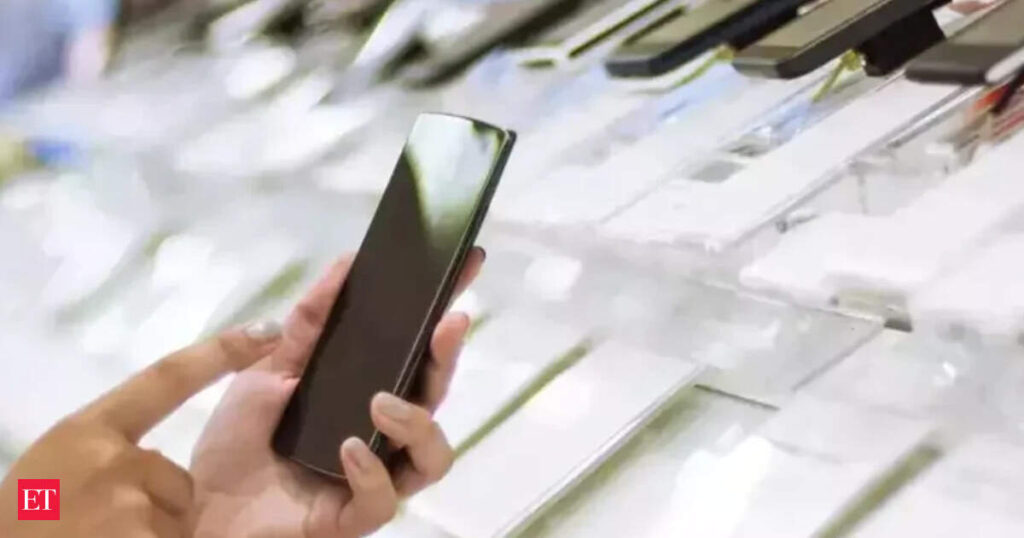
New Delhi's smartphone market is facing significant turmoil, with projections indicating a potential shrinkage of more than 13% this year. This downturn is attributed to a sharp increase in memory costs, which is expected to drive device prices up between 15% and 40%. As a result, many budget-conscious consumers may find smartphones increasingly out of reach, which could have dire consequences for small shop owners and local brands, according to retailers and industry experts.
The ramifications of this situation are already evident. Retailers reported a staggering 35% drop in sales in February, a trend that is anticipated to continue into March—a month historically known for weak sales as consumers often have less disposable income following income tax and year-end fiscal payments.
Experts predict that smartphone shipments in India will plummet to 132 million units by 2026, down from 152 million in the previous year. Navkendar Singh, associate vice-president at the market research firm IDC India, emphasized the bleak outlook, stating, "The current situation has no silver lining to bounce back very soon." This sentiment underscores the unprecedented nature of the current market challenges.
According to the All India Mobile Retailers Association (AIMRA), the absence of affordable smartphone models is exacerbating the situation. Retailers are seeing traditional "volume drivers" disappear from store shelves due to severe supply chain issues. This shortage is leaving them with dwindling walk-in traffic and accumulating unsold inventory of premium models. The industry body characterized this period as one of the toughest for mobile retailers in recent history, with the 'general trade' sector facing a 35% business drop in February 2026.
Compounding these issues is the fact that major brands have increased their prices by as much as 30% since November. Historically, the mobile industry has experienced a typical 10% price discount every quarter, but this absence of discounts, combined with recent hikes, translates to a staggering 40% effective price impact for consumers. Kailash Lakhyani, the founder-chairman of AIMRA, noted, "Consumers are choosing to delay new purchases or are exploring the second-hand market rather than paying these inflated prices." He warned that if current trends persist, an entry-level phone priced at ₹10,000 could reach nearly ₹20,000 by year’s end.
The smartphone market in India has generally seen growth over the last five years, with the exception of a 10% drop in 2022. The current situation, marked by rising costs and declining sales, poses an existential threat to many retailers and brands, particularly smaller local companies that are already struggling to maintain their margins.
With increasing costs and diminishing sales, the outlook for the smartphone market in India appears grim. As consumers grapple with rising prices, the future of small retailers and local brands hangs in the balance, pointing to a challenging road ahead for the industry.
Oakland’s Shocking Foreclosure Spike: Is CBRE Group's Investment at Risk? Find Out Now!

You Won't Believe These 3 Snacks Can Transform Your Heart Health—Cardiologist's Top Picks!

Washington Governor Just Signed 17 Game-Changing Laws—What This Means for Your Wallet!

You Won't Believe the Shocking Price a Chicago Investor Paid for This Arlington Heights Complex!

Thai Parliament Opens Amid Fierce Controversy—What Shocking Secrets About Election Ballots Are About to Be Revealed?

First-Time Buyers: Discover the Shocking Secrets Gavin Kelly Uses to Build Wealth—You Won’t Believe #3!
You might also like: