
Farmers Are Ditching Old Methods: Discover How Smartphones Saved 1,000 Lives Last Year!

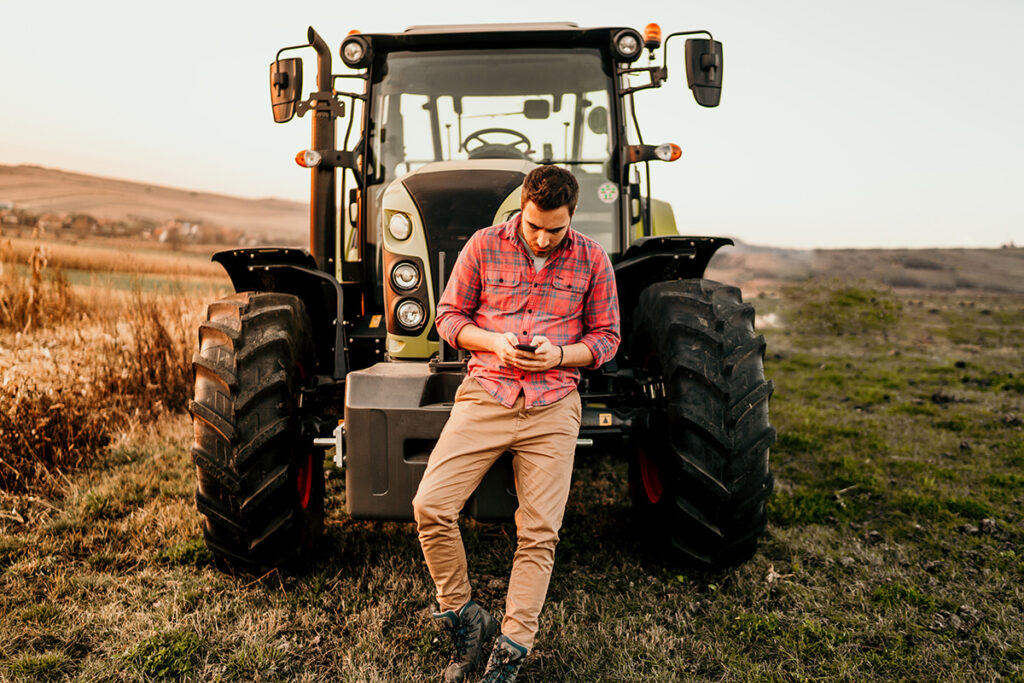
The arrival of spring brings a mix of excitement and hazards for farmers across the United States. As the planting season kicks into gear, the risk of accidents rises, particularly in remote areas where farmers often work alone. Karen Funkenbusch, a state specialist for health and safety at the University of Missouri Extension, emphasizes the importance of utilizing modern technology, specifically smartphones, to enhance farm safety during this busy season.
From calving to planting, numerous dangers lurk on farms, including moving equipment on rural roads, the application of pesticides, and the looming threat of severe weather—such as tornadoes, heavy winds, and flooding—common during spring. Given these risks, it’s crucial for farmers to keep family, friends, and coworkers informed about their whereabouts. Funkenbusch recommends familiarizing oneself with essential smartphone safety features that can prove invaluable in emergencies.
Smartphone Features for Enhanced Farm Safety
One of the primary tools for ensuring safety is enabling location sharing on smartphones. This feature allows users to share their location with selected contacts, making it easier for responders to locate them in the event of an emergency. Funkenbusch suggests that rather than relying solely on handwritten notes, sharing real-time location data can be a lifesaver when every minute counts.
Farmers should also master the art of texting instead of making voice calls. Text messages require less signal strength, making them more reliable in rural areas where cell service can be spotty. In emergencies, utilizing voice activation can streamline communication; for instance, an iPhone user can simply press the power button and say, “Siri, call 911,” which can be quicker than manually dialing a number.
Beyond these basics, understanding a phone's emergency features is vital. Farmers should know how to access their phone's flashlight for power outages, and many apps are available that provide real-time weather alerts and first aid instructions. Notably, some smartphones and smartwatches are equipped with technology that can detect falls or crashes, automatically alerting emergency services—a feature that could prove lifesaving in critical situations.
The GPS functionality on smartphones can also assist farmers who may become lost while checking cattle or exploring wooded areas for mushrooms. In emergency situations, smartphones can automatically send location data when contacting emergency services like 911. Furthermore, if specific emergency contacts are designated in the phone's settings, they will receive automatic notifications, enhancing the chances of a swift response.
To maximize safety, it’s essential to keep phones charged and accessible. Having chargers in vehicles, barns, and sheds can prevent being left without a way to communicate during an emergency. Funkenbusch advises limiting unnecessary calls to conserve battery life in critical situations.
“Look at your phone as a powerful life-saving device,” says Funkenbusch. This perspective can help farmers stay safer as they navigate the challenges of spring farming.
As farmers gear up for the planting season, leveraging technology and remaining aware of their environment can significantly reduce the risks involved. By utilizing these smartphone features, they can enhance not only their safety but also that of their peers, ensuring a safer agricultural experience this spring.
For farmers looking to learn more, numerous resources are available through agricultural extensions and safety organizations that focus on the integration of technology in farming practices.
You Won't Believe This $7 Aldi Frozen Pizza is the Secret to Weight Loss—Find Out Why Dieticians Are Raving!

China's Bold Warning About AI in U.S. Military: Are We Ignoring a 2024 Crisis?

Why Former Prosecutor Nathan Wade's Shocking Testimony Could Change Everything in Trump's Georgia Case!

Trump’s SHOCKING Confession in Kentucky: What He Revealed to Jake Paul Will Change Everything!

Brooklyn FC's Shocking Move Could Change NYC Soccer Forever – Are You Ready for the Drama?

Nigeria's Shocking Social Media Survey Reveals 75% Want Age Verification—What Happens Next Will Surprise You!
You might also like: