
9 Shocking Truths About My Boomer Parents Aging That Will Leave You Terrified for Your Future!

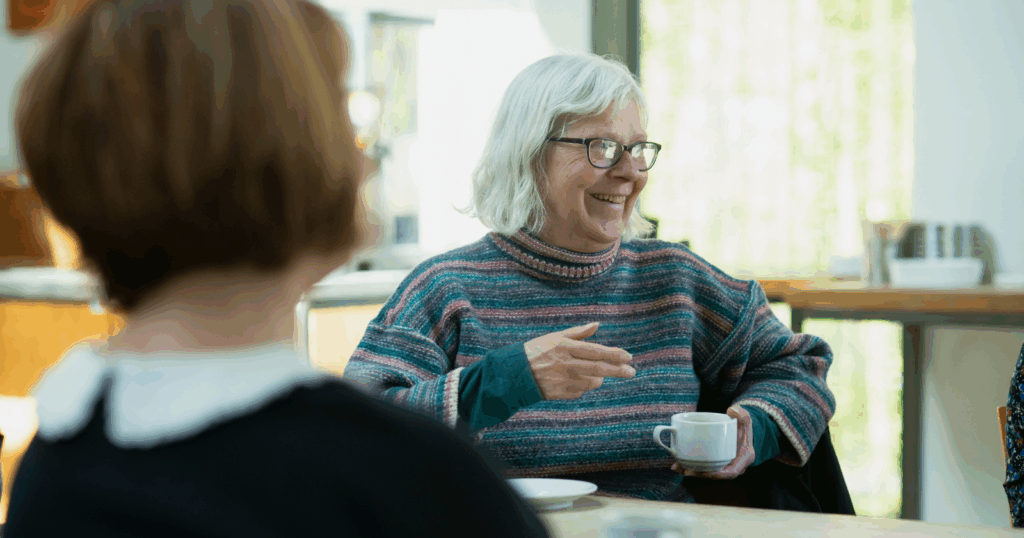
A few months ago, I watched my dad struggle to screw the lid back onto a jar of olives. He had opened it just fine, but closing it? The grip strength wasn’t there. He laughed it off, but that moment stuck with me. Growing up, I always saw my parents as indestructible figures. Now, seeing them misplace words, forget appointments, or grab the handrail every time they go down the stairs feels like watching the foundation of my childhood quietly shift beneath my feet. Their aging isn’t just about them; it’s a mirror reflecting my own future, and honestly, it’s terrifying in ways I didn’t expect. Here are nine things that shake me the most about this unsettling realization of aging.
📰 Table of Contents
1) Losing Mobility
I’ve always taken movement for granted. I work out, travel, and explore cities on foot, relishing the freedom that comes with it. When I see my parents planning their day around “how much walking is involved,” it hits differently now. A simple trip to the grocery store becomes an energy-management calculation. A long drive is now followed by stretching, as their hips tighten like old rubber bands. This stark shift makes me realize how fragile mobility really is. One minor fall can alter everything. I don’t want to reach my 60s and feel like the world has shrunk around me. It’s a reminder that every workout matters, not just for aesthetics but for future-proofing the version of myself I haven’t met yet.
2) Cognitive Decline
This fear terrifies me more than anything physical. My mom used to be razor-sharp, remembering every birthday, detail, and story. Now, she sometimes asks me the same question twice in one conversation. It’s nothing severe or alarming, but it’s different. And when I see that, I not only worry for her but also for my own brain as I age. Will I forget the books I’ve read, the people I love, or the recipes I’ve perfected? A recent book I read noted that cognitive decline isn’t usually a single catastrophic moment; it’s a slow, creeping unraveling. You don’t notice the first thousand threads that loosen until the fabric of memory changes shape. That thought keeps me up more than I’d like to admit.
Have you ever noticed how older people often lack the vibrant friend groups younger individuals enjoy? It's usually "a couple from church" or "a neighbor they talk to occasionally." I’ve watched my parents transition from hosting dinner parties to barely seeing anyone outside family. Part of it is life—careers get busy, people move, health declines, and sometimes, a spouse is lost. Relationships start to slip through the cracks one by one. Loneliness isn’t loud; it’s a slow, quiet descent that scares me with how easy it seems to fall into. I cherish my friends and want them in my life when I’m 70, not just when I’m 35. But maintaining those friendships requires intentionality—a lesson many don’t fully grasp until they’re older and wondering where everyone went.
4) Becoming Dependent
It’s heartbreaking to watch my parents ask for help with things they once handled effortlessly—tech issues, heavy lifting, medical decisions, even reading fine print on a form. The thought of being in their place someday terrifies me. I’m used to being capable and independent—the friend people count on, not the one who calls for assistance setting up a new device. Dependence alters the power dynamics in relationships, necessitating a level of vulnerability that often feels uncomfortable. While there’s nothing shameful about needing help, accepting it more than I might want to is daunting.
5) The Financial Side of Aging
Navigating healthcare, insurance, or retirement planning is akin to a full-contact sport. My parents planned well, but unexpected expenses appear like uninvited guests—medications, procedures, specialists, and home repairs. Aging isn’t just about physical or emotional challenges; it’s also about finances. And here’s the frightening reality—my generation doesn’t have pensions. We rely on "hope the market behaves" retirement plans, face skyrocketing living costs, and medical bills that resemble Monopoly money. Watching my parents deal with the significant financial weight of aging forces me to confront how prepared—or not—I am for my own future. This is the kind of thing you don’t want to think about at 35, but it’s a conversation we can’t afford to ignore.
6) Losing Purpose
When my dad retired, he spent a month waking up late and drinking coffee slowly, relishing the opportunity to relax. By month three, however, I could sense something was off. He appeared restless and unanchored, uncertain about what each day was supposed to hold. This realization strikes at the core of our identities, tightly bound to routine and productivity. What happens when the work I love is no longer part of my day-to-day life? Who am I without creative projects, without deadlines, or without goals that stretch my brain and energy? Many believe retirement is a beach, but for many, it can feel like a void. If one doesn’t fill it intentionally, it tends to fill itself with boredom and regret.
7) Health Issues That Stack, Not Separate
I used to think health problems emerged individually—a knee injury here, a back issue there. But my parents’ aging has shown me that health issues pile up like unwashed dishes. A little arthritis, then cholesterol problems, eyesight changes, altered sleep patterns, and one medication leading to another. Nothing is catastrophic by itself, but together, they change how someone experiences life. This realization has made me hyper-aware of my own habits. Am I getting enough sleep? Eating like I respect my future self? Managing stress instead of merely pushing through? These small choices accumulate over time, even when we think they don’t.
8) The Emotional Weight of Letting Go
My parents are in a phase where they’re slowly saying goodbye to parts of who they were—careers, hobbies they can no longer pursue, friends who have passed, and dreams that no longer fit their current reality. They handle it with more grace than I believe I could muster. But watching it unfold hurts. It’s akin to seeing the world take things away from them one by one, knowing that someday, that will be my reality too. The hobbies I cherish today may transform into memories I can’t recreate, and the people I love may not walk with me to the end. Aging brings an emotional heaviness that no one prepares you for, and witnessing it firsthand transforms the abstract fear of “getting old” into something painfully real.
9) The Fear of Running Out of Time
The older my parents become, the more I recognize the finite nature of everything—their time, my time, and the time we share. I can’t watch them age without doing the math and realizing how quickly a decade can pass. The future isn’t guaranteed, no matter how well we eat, exercise, or meditate. This realization terrifies me the most: one day, I might look back and wonder where it all went and whether I used it wisely.
In conclusion, watching your parents age can feel like getting a sneak peek at the chapters you haven't reached yet. Some of it is sobering; some of it is scary. But strangely, some of it can be motivating too. It pushes me to take better care of myself, to stay curious, to remain connected, to keep active, and to be intentional about my life. It encourages me to build a future that still feels meaningful decades from now. If you’re watching your parents age, perhaps you feel this mix of fear, gratitude, and urgency too. It may be prompting you to rethink how you live today. Honestly? I think that’s a good thing.
Ronaldo, Trump, and MBS: What Shocking Secrets Unfolded at This Exclusive White House Dinner?

You Won't Believe How Motorola's New AI is Changing Smartphone Photography Forever!
Why the Surprising Truth About Climate Change Could Cost Us $10 Trillion—Are You Prepared?

You Won’t Believe the Emotional Letter Daniel Radcliffe Sent to the New Harry Potter Star – What He Revealed Will Shock You!

China Resources Mixc Shocking Delay: What This Could Mean for Your Investments! Don't Miss Out!

Trump's White House Attempted a SECRET Vote on Epstein Files—What Were They Hiding? Find Out Now!
You might also like: