Measles Alert: Did You Visit These 5 Big Island Spots? You Might Be at Risk!

The Hawaiʻi Department of Health State Laboratories Division has confirmed a case of measles involving a vaccinated adult visitor to Oʻahu. The individual, who had also traveled to the Big Island, has raised concerns about potential exposure to this highly contagious virus among the public.
Officials report that the visitor contracted the virus after arriving in Hawaiʻi from a region on the mainland where measles transmission is known to occur. Following the onset of symptoms, the visitor sought medical care and is now recovering at a private residence on Oʻahu.
The state Health Department is actively investigating this case to identify individuals who may have come into contact with the visitor and is working to mitigate the risk of further spread. This includes reaching out to people who were in the vicinity of the infected individual during their stay in the islands.
Health officials have issued advisories for anyone who visited specific locations during the following times:
📰 Table of Contents
Potential Exposure Locations
OʻAHU
- Daniel K. Inouye International Airport
12:30 to 4 p.m. on February 26: A gates and baggage claim area. - 9 a.m. to 12:30 p.m. on March 3: Terminal 1 check-in, security, and A gates.
- 8:30 to 11 p.m. on March 4: A gates and baggage claim area.
HAWAIʻI ISLAND
- Hilo International Airport
11:30 a.m. to 2:30 p.m. on March 3: Gate areas, baggage claim. - 6:30 to 9:30 p.m. on March 4: Check-in, security, and gate areas.
- Hawaiʻi Volcanoes National Park
Noon to 6 p.m. on March 3: Visitors Center and other attractions.
State health officials are working in coordination with airlines and airports to notify passengers who may have been exposed during the flight. A medical advisory will also be issued to healthcare providers statewide.
Recommendations for the Public
Individuals who were at the locations mentioned during the specified times are advised to take the following precautions:
- If unvaccinated: Those who have never received a measles vaccine are at greater risk. It is recommended that they contact their healthcare provider immediately to discuss vaccination options or treatments.
- Stay vigilant: Monitor for symptoms for up to three weeks after the last exposure.
- If immunocompromised: Consult with healthcare providers if symptoms develop or if there are any concerns regarding exposure.
- If vaccinated: Individuals who have received two doses of a measles-containing vaccine or were born before 1957 are generally protected and do not need to take further action.
- Consider a booster: Anyone who has only received one dose may want to consult their healthcare provider about getting a second dose for complete immunity.
In the event that symptoms of measles appear, individuals should:
- Isolate immediately: Stay home and avoid contact with others.
- Contact healthcare providers: Notify them of potential exposure before visiting to minimize risk to others.
Measles is one of the most contagious viruses in existence, transmitted through direct contact or airborne droplets from coughs or sneezes. An infected person can be contagious from four days prior to the appearance of the rash to four days after. The virus can linger in the air for up to two hours after the infected individual has left an area.
Symptoms typically manifest seven to fourteen days after exposure and may include:
- Fever higher than 101 degrees
- Runny nose
- Red, watery eyes
- Cough
A distinctive rash usually develops three to five days after the onset of symptoms, beginning on the face and spreading to the rest of the body.
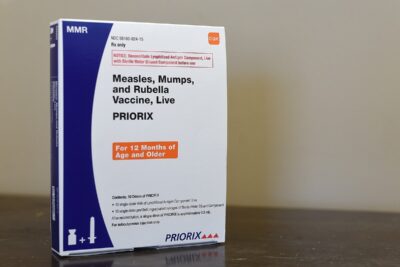
The best defense against measles remains the measles, mumps, and rubella vaccine (MMR), which is recommended for all children, with doses administered at 12 to 15 months and again at 4 to 6 years. Adults born after 1957 should also have documentation of at least one vaccination unless they can prove immunity through a blood test or previous infection.
For those who suspect they have been exposed and are unprotected, it is crucial to contact a healthcare provider without delay. Options such as the MMR vaccine may mitigate the severity of measles if administered within 72 hours of exposure, while immune globulin can offer protection if given within six days.
Individuals in Hawaiʻi with concerns can reach out to the Department of Health Disease Reporting Line at 808-586-4586 or the Disease Investigation Branch at 808-586-8362 for further guidance.
In light of this confirmed case, residents and visitors alike are urged to remain informed and take proactive measures to safeguard their health and the well-being of the wider community.
Tennessee's Vaccine Debate: Are Politicians Putting Lives at Risk? Shocking Statistics Inside!

8 Shocking New Costco Foods That Could Transform Your Health—Experts Say Don't Miss Out!

Nepal's Shocking Election Twist: Could a New Party's Landslide Victory Change Everything?

FAU Just Snagged a Shocking $4.5M Air Force Simulator—Find Out What This Means for Future Pilots!

You Won’t Believe How Christopher Jackson Plans to Defend His Title in the Fiercely Competitive Oncologists’ Fitness Challenge!

Is XRP About to Crash? Shocking Supply Changes Could Leave Investors in the Dust!
You might also like: