
Big Tech & Big Ag's Shocking Takeover: Are Farmers Losing Their Livelihoods Forever?


In recent years, the intersection of technology and agriculture has become increasingly pronounced, particularly with the rise of Big Tech companies entering the agricultural market. Over the past two decades, these tech giants have tightened their grip on global agriculture, reaping billions in profits through innovative precision technologies. The role of governments in providing essential information and services to farmers—previously offered freely to promote soil, seed, and water health—has shifted to a monetized model driven by these corporations.
Big Tech companies leverage public infrastructure developed with taxpayer money to create their own agricultural products and services that advance digital agriculture. This reliance on publicly funded resources raises concerns about the implications for small-scale farmers who have historically been the backbone of food production. As companies increasingly recommend new fertilizers and seeds based on data from remote sensing technology, their influence on agricultural practices and policies grows. A notable example is seen in West Africa, where these firms control the narrative around essential farming inputs.
“Under the banner of innovation, tech giants are consolidating control over agriculture and biological heritage, side-lining the farmers who already grow our food in sustainable and resilient ways,” said Lim Li Ching, co-chair of IPES-Food. “We are witnessing a quiet takeover of farming by Big Tech. But farming by algorithm is not the future farmers asked for,” he added.
This growing domination by Big Tech raises critical questions about the future of agriculture. As these companies consolidate power, they may inadvertently undermine sustainable farming practices and the livelihoods of small farmers who have been cultivating food for generations. The introduction of precision agriculture technologies, while beneficial in some aspects, often comes with a hefty price tag, making it difficult for smaller operations to compete.
The commodification of agricultural advice, once a public good, poses significant risks. Farmers may find themselves at the mercy of corporations that dictate the terms of access to vital agronomic information. This shift not only affects productivity but also threatens the diversity of farming methods and plant varieties that have been developed over centuries.
Moreover, the preferential treatment given to these tech companies by governments can lead to the neglect of funding, research, and policy in publicly funded institutions. As the agricultural landscape evolves, the potential for monopolistic behavior looms large, threatening to marginalize traditional farming communities. This scenario presents a challenge not just for farmers, but for consumers who rely on a diverse food supply.
As consumers become increasingly aware of these issues, a dialogue around the future of food production and agricultural policies is essential. The implications of relying too heavily on Big Tech for farming solutions could lead to unforeseen consequences not only for farmers but also for global food security. The path forward requires a careful balancing act between embracing technology and preserving the agricultural heritage that feeds our population.
In conclusion, as Big Tech continues to expand its influence over agriculture, it is crucial for stakeholders—including farmers, policymakers, and consumers—to engage in discussions that prioritize sustainable practices and safeguard the interests of those who work the land. The quiet takeover of farming by algorithm may not be the future that agriculture truly needs, and a collective effort could steer the industry towards a more equitable and resilient future.
You Won't Believe How Much Money This Local Community Raised for Kids in Need—Find Out How!

Zhejiang's Tech Boom: Is This the Secret Fueling China's Stock Market Surge? Uncover the Shocking Truth!
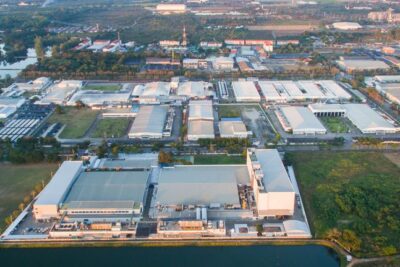
Terreno Realty's Shocking Move: Is This the Key to Coastal Dominance or a Dangerous Gamble?

Severe Flooding Hits Harney County: What the Governor Declared Will Shock You!

Shocking Study Reveals 45% of Kashmir Students Struggle with Mental Health—Is Social Media to Blame?

Why Millions Are Ditching Digital: The Shocking Truth Behind the Analog Revolution!
You might also like: