
You Won't Believe How This Ancient NFL Rule is Sabotaging Free Agency—Find Out Before It’s Too Late!

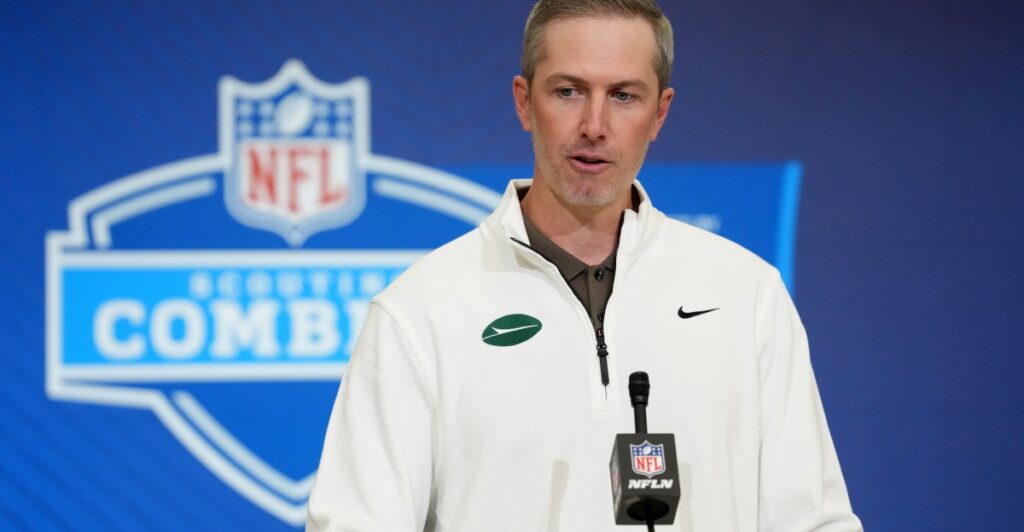
As the NFL gears up for free agency, the spotlight is on the financial landscape of its 32 teams. According to Over the Cap, only four teams have more salary cap space than the New York Jets, highlighting a potential opportunity for team management to make significant roster moves. However, a less visible yet equally crucial factor in the free agency game is the actual cash on hand for each team.
In essence, NFL contracts include two types of payments: guaranteed and non-guaranteed money. Guaranteed money is exactly what it sounds like; it is the sum that a team commits to pay a player regardless of future circumstances. Non-guaranteed money, conversely, is contingent and generally refers to salary that a player receives only if they remain on the roster. This structure can complicate how teams maneuver financially.
When a team signs a player, it must place all guaranteed money into an escrow account until it is paid, minus a deductible. This longstanding rule originated during a time when the NFL's financial stability was uncertain. In the league's early years, teams often relied heavily on ticket sales to fund operations, a model that could be easily disrupted by poor performance or economic downturns. The escrow rule was designed to protect players by ensuring that they would receive their money even if a team faced financial ruin.
Fast forward to today, and the NFL has transitioned to a model that predominantly relies on lucrative media rights and expansive revenue-sharing agreements. Since the first national television contract with CBS in 1962, the financial climate of the league has drastically improved. Nowadays, no team fears folding due to financial mismanagement; in fact, the value of broadcast deals has skyrocketed over the years, providing teams with a stable revenue stream.
Despite this financial stability, the escrow rule remains in place, albeit slightly relaxed. Teams can now subtract $15 million from the escrow amount needed for each contract, but the vast majority of guaranteed money still must be secured upfront. This creates an interesting dynamic: while the owners of NFL teams are generally wealthy, their cash liquidity varies significantly. For some owners, their wealth is tied up in assets and investments, meaning they may not have hundreds of millions of dollars readily available.
This disparity in liquid cash can have a profound impact during free agency. Wealthier owners are better equipped to navigate the escrow requirements, giving them an edge in pursuing top talent. Conversely, owners with less cash on hand may struggle to make substantial roster moves, particularly after having made previous big investments in guaranteed contracts.
The New York Jets are a case in point. Over the years, there have been whispers about the Jets' financial constraints, particularly following offseason periods when the team made significant, cash-heavy acquisitions. While these claims may not be substantiated, the escrow rule could explain why a team with ample salary cap space might still face hurdles in signing high-profile players in subsequent offseasons.
So why does the NFL continue to uphold this seemingly outdated rule? One theory suggests that some team owners favor the rule as a convenient excuse to refrain from fully guaranteeing contracts, despite the league's current financial stability. With earnings from media deals reliably projected, one might question the necessity of an escrow requirement that stems from a bygone era.
Regardless of the rationale behind it, the escrow rule emphasizes the importance of each team's financial operations. Managing cash flow effectively is an underrated yet critical aspect of successful team management, especially as free agency approaches. As teams prepare to make their moves, understanding the implications of cash on hand versus salary cap space will be essential for navigating the complex landscape of NFL free agency.
Solana Shockingly Overtakes Ethereum in RWA Holders: What This Means for Your Wallet!

This Company Just Recovered $1.2 Million in Lost Crypto—Find Out How You Could Too!
Trump's Stunning Move: What Happens When He Meets 5 Powerful Latin Leaders? You Won't Believe the Consequences!

Raiders Shock NFL: Maxx Crosby to Ravens? Geno Smith Cut! What’s Next for Joe Mixon?
You Won't Believe What Happens When You Try to Access This Forbidden Page—Find Out Now!

Bitcoin's 50% Crash: Are Canadian Investors About to Lose Everything? Find Out Now!
You might also like: