HBCU Coach's Shocking Move: What This Trump Roundtable Could Mean for College Sports!

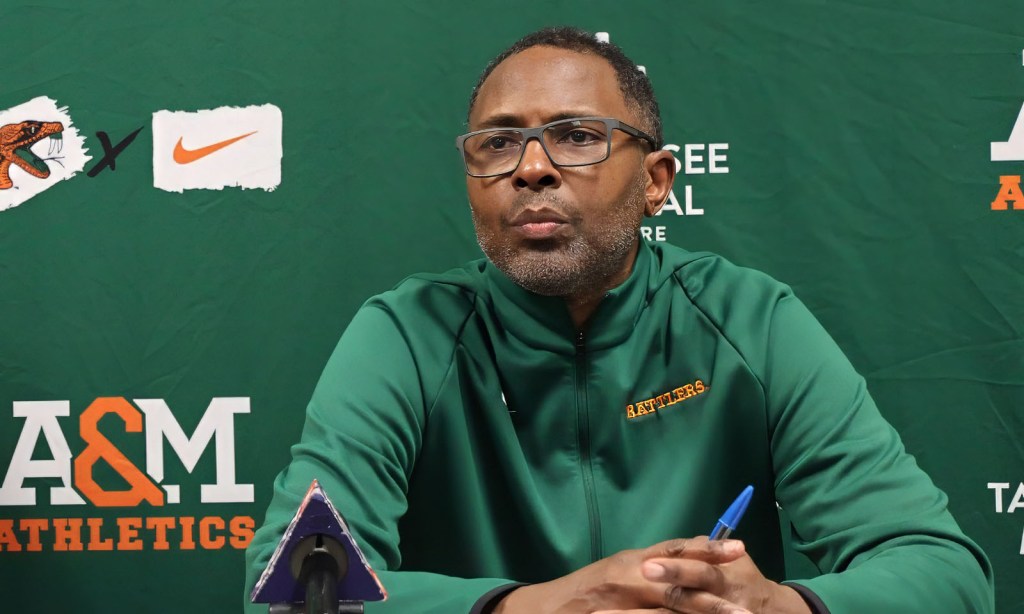
Charlie Ward, a towering figure in American sports and the head coach of the Florida A&M University (FAMU) men’s basketball team, made headlines recently by attending a high-profile White House roundtable on college athletics. Known for his remarkable dual-sport legacy—winning the 1993 Heisman Trophy at Florida State University and later playing in the NBA—Ward is a unique voice in discussions surrounding the future of college sports, particularly for Historically Black Colleges and Universities (HBCUs).
Ward's presence at the White House underscores his influence in the national sports landscape. He joined a distinguished group of attendees, including Florida Governor Ron DeSantis, legendary coaches Nick Saban and Urban Meyer, and fellow Heisman winner Tim Tebow. Notably, Ward was the sole representative from an HBCU among these sports and political heavyweights, emphasizing his role as an advocate for the unique challenges faced by such institutions.
Arriving in Washington, D.C., less than a day after FAMU's significant victory over rival Bethune-Cookman (81–77), Ward was quick to transition from a victorious game to a crucial policy discussion. Governor DeSantis coordinated travel for Ward following the game, illustrating the importance of Ward's role in this high-stakes meeting.
Addressing the Challenges in College Athletics
Organized under the banner of "Saving College Sports," the roundtable sought to address urgent issues impacting the NCAA landscape. Central to the discussion were the rapidly evolving policies regarding Name, Image, and Likeness (NIL) and the implications of the transfer portal. Many leaders within college athletics believe that recent changes have significantly altered the competitive balance, with concerns that programs with the strongest financial backing are now favored over those committed to long-term player development.
Former President Donald Trump, who convened the roundtable, stressed the need for immediate action. “I will have an executive order within one week,” he declared, emphasizing the urgency of the situation. He warned that without intervention, college sports—and particularly women's sports—could face severe consequences. His comments resonate with growing frustrations voiced by coaches, administrators, and lawmakers across the country regarding the current trajectory of college athletics.
As the conversation unfolded, participants shared their perspectives on how best to navigate this new landscape. The challenges of NIL policies, which allow college athletes to profit from their personal brands, have raised questions about equity and fairness in college sports. Critics argue that the current system may favor powerhouse programs, thus undermining the foundational principles of collegiate athletics.
Despite the national attention surrounding the roundtable, Ward's focus quickly shifted back to his responsibilities at FAMU. The Rattlers are set to enter the SWAC Basketball Tournament as the No. 2 seed and are carrying momentum from their recent victory. This marks Ward's first appearance in the SWAC Tournament as head coach, providing a significant opportunity for FAMU to secure a berth in the NCAA Tournament.
As he navigates the complexities of both his coaching duties and the conversations taking place on a national level, Ward’s unique position as a former athlete, coach, and advocate for HBCUs enriches the dialogue surrounding the future of college athletics. His participation in such high-profile discussions not only highlights the issues at stake but also reinforces the importance of HBCUs in the broader landscape of American sports.
Trey Hendrickson’s Shocking NFL Free Agency Moves After Maxx Crosby’s Jaw-Dropping Trade—What Happens Next?

Is This 1 AI Stock the Secret to Beating Polymarket's Predictions? You Won't Believe the Shocking Returns!

Is Merz's Political Future in Jeopardy? Shocking Polls Reveal Voter Reactions that Could Change Everything!

Taylor Swift's Shocking Career Move Leaves Fans in Tears — What This Means for Kelce!
You Won't Believe How Vivo V70 Outshines Xiaomi—Discover the Jaw-Dropping Feature Before It's Too Late!

Netflix and Meghan's Shocking Split: What This Means for Their Billion-Dollar Empire!
You might also like: