
Sundar Pichai's Shocking $692 Million Pay Package: Is Google’s AI Future at Risk?

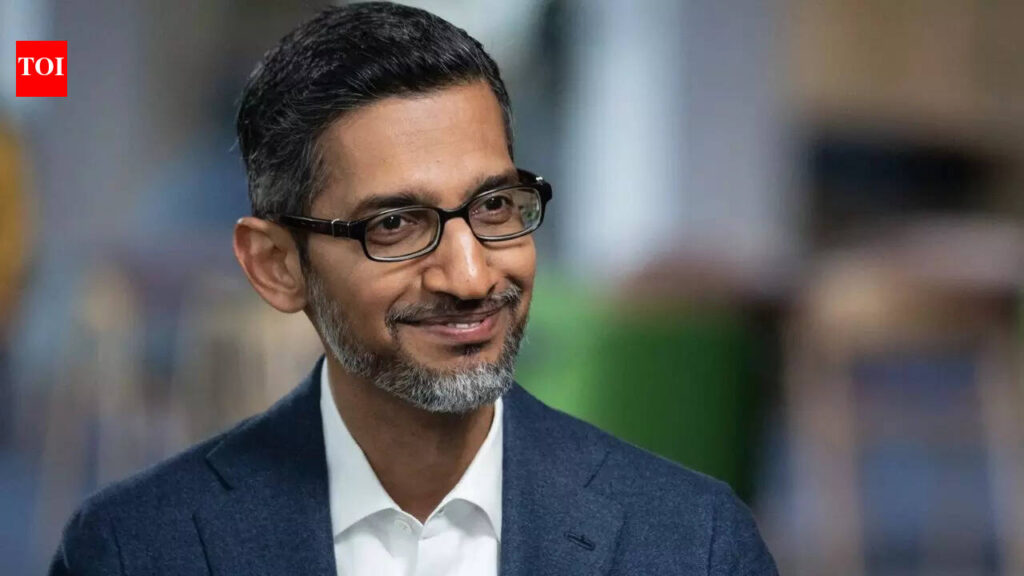
In a move that has garnered significant attention in the tech sector, Alphabet Inc., the parent company of Google, has approved a staggering new compensation package for its CEO, Sundar Pichai. Reportedly valued at up to $692 million over the next three years, this package positions Pichai among the highest-paid executives in the technology industry. The announcement by Alphabet has reignited discussions around executive pay, especially in a sector known for its hefty compensation deals.
The bulk of Pichai’s new compensation will not stem from a traditional salary but will largely consist of performance-based stock awards. This structure aims to align Pichai's interests with those of the company's investors. As the Financial Times points out, the stock awards will be distributed over several years, incentivizing long-term growth over short-term gains. Such performance-based compensation strategies are increasingly common in tech companies, designed to motivate executives to drive company performance.
Pichai first took the helm at Google in 2015 and expanded his role to CEO of Alphabet in 2019. Under his leadership, the company has seen substantial growth across various technology domains, particularly in cloud computing, where Google's division has emerged as a serious competitor on the global stage. Additionally, Pichai has spearheaded investments into hardware, including the Pixel smartphones, smart home devices, and wearable technology.
One of the most pivotal areas of focus for Pichai has been artificial intelligence (AI). Under his guidance, Alphabet has ramped up its efforts to innovate within this critical field, developing advanced AI tools and integrating them into various Google products and services. This focus has placed Google at the forefront of the ongoing AI revolution, which is already reshaping industries and consumer behavior.
As companies worldwide race to enhance their AI capabilities, Pichai's substantial compensation package reflects a broader recognition within the industry of the crucial role strong leadership plays during technological transitions. The competitive landscape for AI development has intensified, with tech giants vying for dominance. Experts suggest that the commitment to performance-based pay is not merely about rewarding executives but is also a strategic move to ensure that leadership is aligned with the long-term vision necessary to navigate this rapidly evolving environment.
While proponents of high executive pay argue that such compensation structures motivate leaders to propel their companies forward, critics often question the ethics and equity of these arrangements, particularly in the context of wage disparities within organizations. The debate over executive compensation remains a topical issue as stakeholders weigh the benefits of incentivizing leadership against the backdrop of broader economic inequalities.
As Pichai continues to lead Alphabet into the future, his significant financial package will likely remain a topic of discussion among investors, analysts, and the general public. The implications of this deal extend beyond Pichai himself, potentially influencing how tech companies structure their own compensation frameworks in an increasingly competitive market.
Sanford Health Shocks Everyone by Ranking as a Top Healthcare Workplace—What They’re Hiding!

Over 60 NFL Stars Ignited Chaos at ‘Bring The Juice’ Pro-Am – You Won’t Believe What Happened!

Is Your Snack Choice Sabotaging Your Weight Loss? Discover the Shocking Truth About Popcorn vs. Pretzels!

Is Amazon's Shocking Move a Game Changer? Discover What Google and Microsoft Are Terrified Of!

You Won't Believe What China's Health Chief Reveals About Cancer Prevention - Are You at Risk?

Why FDA Vaccine Chief Vinay Prasad’s Shocking Exit in April Could Change Everything for Your Health!
You might also like: