You Won't Believe What China's Health Chief Reveals About Cancer Prevention - Are You at Risk?

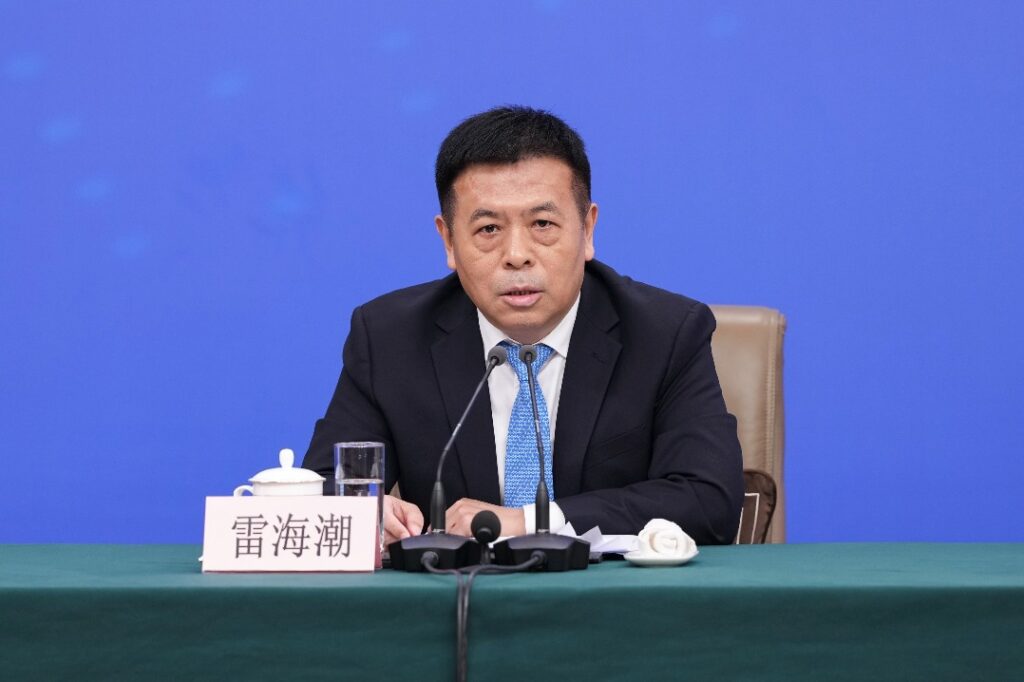
In a recent announcement, China's top health official has emphasized the urgent need for greater public vigilance regarding cancer prevention. Lei Haichao, the Minister of the National Health Commission, addressed the issue during a news conference held on Saturday at the fourth session of the 14th National People's Congress. He highlighted that while cancer is a significant health concern, the threat it poses can be mitigated if detected early.
“The key lies in prevention and early screening,” Lei stated, stressing that many cancer diagnoses occur only when the disease has advanced to mid-to-late stages. This not only decreases treatment efficacy but also significantly increases healthcare costs. His remarks underscore the importance of proactive measures in combating this pervasive health issue.
Lei pointed out specific lifestyle choices that contribute to cancer risk, including smoking, excessive drinking, poor diet, and lack of physical activity. He urged citizens to adopt healthier habits and regulate their choices in order to lessen the overall burden of the disease. This call to action resonates particularly in a country where cancer rates have been rising steadily.
For those at higher risk, Lei provided tailored screening recommendations. Individuals aged 50 and older with a history of smoking or a family history of lung cancer are advised to undergo annual low-dose CT scans. Additionally, those at risk for colorectal cancer should have a colonoscopy every three to five years. Individuals aged 45 and above, particularly heavy alcohol consumers or those experiencing gastric issues, should consider regular gastroscopy. These recommendations aim to facilitate early detection, which is crucial for effective treatment.
“If a tumor occurs among grandparents, parents, peers, or the next generation, it should be taken very seriously,” Lei remarked, highlighting the hereditary nature of certain cancers. He urged families to remain vigilant about their health histories, as tumors often show clear genetic traits.
Such initiatives reflect a global trend toward prioritizing cancer prevention and early detection. In the United States, similar efforts have been made, with public health campaigns emphasizing lifestyle changes and regular screenings. For instance, the American Cancer Society recommends screening guidelines that align closely with those suggested by Lei. Regular check-ups, lifestyle modifications, and genetic counseling are increasingly seen as essential components in the fight against cancer.
As Lei's statements circulate internationally, they raise important questions about the balance between public health policy and individual responsibility. How can citizens be effectively motivated to adopt healthier lifestyles and embrace regular screenings? Moreover, the implications of such health initiatives can be significant, not only in terms of individual well-being but also for national healthcare systems burdened by the costs associated with advanced-stage cancer treatments.
As the conversation around cancer prevention continues to evolve, Lei’s remarks serve as a timely reminder of the vital role early detection plays in improving outcomes. By encouraging citizens to be proactive about their health, both China and the U.S. can work toward reducing the cancer burden and improving quality of life. Ultimately, fostering a culture of awareness and responsibility may prove to be one of the most effective strategies in combatting this pervasive disease.
Why FDA Vaccine Chief Vinay Prasad’s Shocking Exit in April Could Change Everything for Your Health!

Shocking Shift: AI Takes $10 Billion from Crypto Startups—Is Your Investment at Risk?
You Won't Believe What These 5 Weekend Habits Are Doing to Your Life – Find Out Now!

Why India and Indonesia Are Cracking Down on Social Media: You Won’t Believe the Shocking Numbers!

Writers Guild Shocker: Members Approve Controversial Demands—What This Means for Your Favorite Shows!

You Won't Believe How Troup Boys Soccer Shocked Everyone on Senior Night with a Last-Minute Victory!
You might also like: