
Is Your Drinking Water Secretly Sabotaging Poultry Vaccines? Shocking Study Reveals the Hidden Risk!

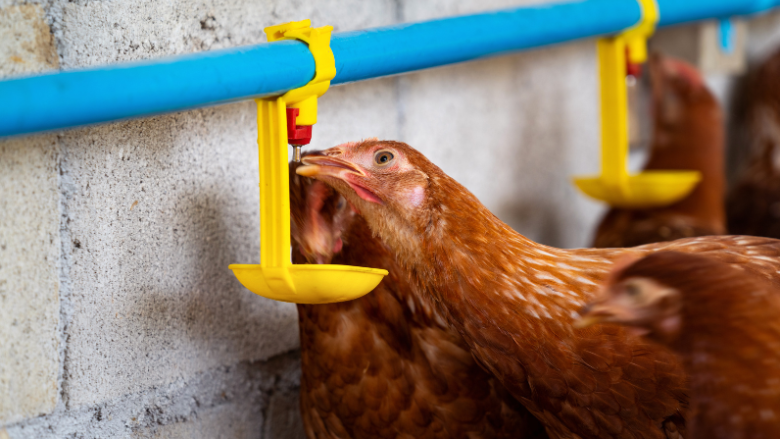
In the poultry industry, effective vaccination is crucial for preventing diseases such as Salmonella, which poses significant food safety risks. A new in vitro study conducted by Elanco researchers and published in MDPI Poultry has shed light on the critical role that water quality plays when administering live Salmonella vaccines, particularly Elanco’s vaccine, AviPro Salmonella Duo, through drinking water.
Live Salmonella vaccines are commonly administered prior to harvest, but their efficacy can be compromised by various water quality factors. The research evaluated how parameters like water pH, hardness, and the presence of metals, ions, and disinfectants influenced the stability of the vaccine over a 24-hour period. While many water characteristics had a minimal impact, elevated levels of certain metals and disinfectants were found to significantly inactivate the vaccine.
📰 Table of Contents
Key Findings on Water Quality and Vaccine Viability
Among the contaminants tested, metals like aluminum, arsenic, iron, and manganese demonstrated the most pronounced negative effects on vaccine survival in a dose-dependent manner. For instance, iron concentrations as low as 0.5 milligrams per liter (mg/L), which are permissible under current livestock drinking water guidelines in some regions, led to a decline in vaccine counts. Similarly, manganese levels of 1 mg/L jeopardized vaccine efficacy, depending on exposure time and temperature, even though these levels are also within acceptable thresholds in certain countries.
Moreover, aluminum and arsenic at higher concentrations were found to reduce vaccine viability. The adverse effects from arsenic occurred above the 10 micrograms (µg)/L limit set for human drinking water in many countries, suggesting that municipal supplies within regulatory standards may not pose a risk. However, groundwater sources in areas with higher environmental arsenic levels could be problematic.
Since poultry operations often rely on borehole or well water—which can contain elevated metal levels—the researchers recommend proactive chemical testing before administering live vaccines via drinking water.
In addition to metal contamination, the study also examined the impact of commonly used drinking water disinfectants: free chlorine, chlorine dioxide, and hydrogen peroxide. Alarmingly, all tested disinfectants rapidly reduced vaccine viability, even at concentrations deemed safe for poultry consumption. For example, hydrogen peroxide quickly inactivated the vaccine, and while a water stabilizer provided some protection against chlorine and chlorine dioxide, it failed to mitigate the effects of hydrogen peroxide effectively.
The researchers cautioned that residual disinfectants from prior water line sanitation or fluctuations in municipal supply could unintentionally compromise vaccination efforts if not carefully monitored. They recommend ensuring that disinfectant treatments are paused and that residual levels are verified before administering live vaccines.
Interestingly, water pH and hardness showed limited impact on vaccine stability, with significant declines only observed at extreme pH levels (4 and 9). Most dissolved ions exhibited minimal influence on vaccine performance, with chloride demonstrating a dose-dependent effect at high concentrations, though levels remained within manufacturer specifications.
Broader Implications for Food Safety
The findings underscore the importance of maintaining appropriate chemical and disinfectant conditions in drinking water lines to ensure vaccine efficacy. Effective vaccination is a core component of tertiary biosecurity measures, enhancing flock immunity to reduce pathogen colonization and shedding. Since Salmonella can persist in poultry populations and farm environments for extended periods, compromised vaccine viability increases the risk of downstream contamination of meat and eggs.
While the study was conducted in vitro, indicating the need for field validation, its findings offer valuable insights for poultry operations striving to enhance their vaccination programs and mitigate food safety risks pre-harvest. The researchers concluded that rigorous monitoring of water quality and chemical conditions could be the key to ensuring the success of vaccination efforts in the poultry industry.
Yongsoo Kim's Shocking Rise to President: What This Means for Webtoon and Your Favorite Series!

Utah’s Shocking Last-Minute Debate: Will Lawmakers Really Tax Nicotine and Boost the Governor’s Pay?

Wall Street on Edge: What the Latest Jobs Report Could Mean for Your Investments!

Is Your Baby's Safety at Risk? Discover the Shocking Truth Behind Rural Maternity Care!

Bitcoin's Surprising Surge: Is This a Dead Cat Bounce or Your Last Chance to Profit?

I Uncovered a Shocking Family Habit That Stunted My Growth for 30 Years—You Might Be Doing It Too!
You might also like: