
Are Your Muesli Bars Secretly Sabotaging Your Health? Discover the Shocking Truth Before You Snack!

When it comes to choosing snack bars, many consumers often find themselves lured by enticing packaging claims like “natural,” “oven baked,” or “no artificial colors.” However, experts caution against being swayed by marketing buzzwords. According to registered dietitian Lily Henderson, the most reliable way to assess a snack bar’s health benefits is by examining the ingredients list rather than the front-of-pack claims. “These can create a healthy impression that doesn’t always match what’s inside,” she warns.
Generally, a shorter ingredient list is preferable. Look for recognizable whole foods such as oats, nuts, and seeds listed near the top. These ingredients are rich sources of fiber and protein, which contribute to a more nutritious snack. If you see sugar, syrups, or chocolate high on that list, consider that a red flag.
Understanding when a snack bar crosses into dessert territory is also crucial. Henderson notes that bars packed with refined ingredients—like white flour, golden syrup, or chocolate coatings—offer little nutritional value. “Bars lacking meaningful amounts of oats, nuts, or seeds are unlikely to provide substantial benefits,” she explains. Many bars do include these healthy ingredients, but they often come paired with sugary additions that tip the balance towards a treat rather than a healthy option.
Particularly deceptive are yogurt coatings, which are usually made of sugar and vegetable oil, with only a small amount of milk solids or yogurt powder. While they may appear wholesome, they effectively function as added sugar.
📰 Table of Contents
How Much Sugar Is Too Much?
Even if you're only consuming one bar at a time, comparing the sugar content per 100g gives you a clear picture of just how sweet it is. Ideally, look for snack bars with less than 15g of sugar per 100g. For context, some fruit strings can contain about 60g of sugar per 100g, while many muesli bars hover closer to 30g per 100g. Although dried fruits like dates may offer some fiber and nutrients, they are still concentrated sources of sugar. Even fruit juice concentrates count as added sugar, regardless of how virtuous they may sound.
It's also beneficial to glance at the per-bar serving information, as we often consume the entire bar rather than a 100g serving. If you're looking for a snack that can sustain you—whether for a child between meals or during a long meeting—Henderson suggests focusing on fiber and protein content. “A snack bar is more likely to be filling and nutritionally valuable when it contains fiber from whole foods like oats, nuts, and seeds,” she says.
Aiming for more than 10g of fiber per 100g (over 2g per bar) can help ensure you're making a more balanced choice. Some bars boost protein with isolates or powders, which can increase satiety. However, it’s wise to check the overall ingredient list to ensure that the protein and fiber come from recognizable whole foods.
Choosing Wisely: Five Better Snack Bar Options
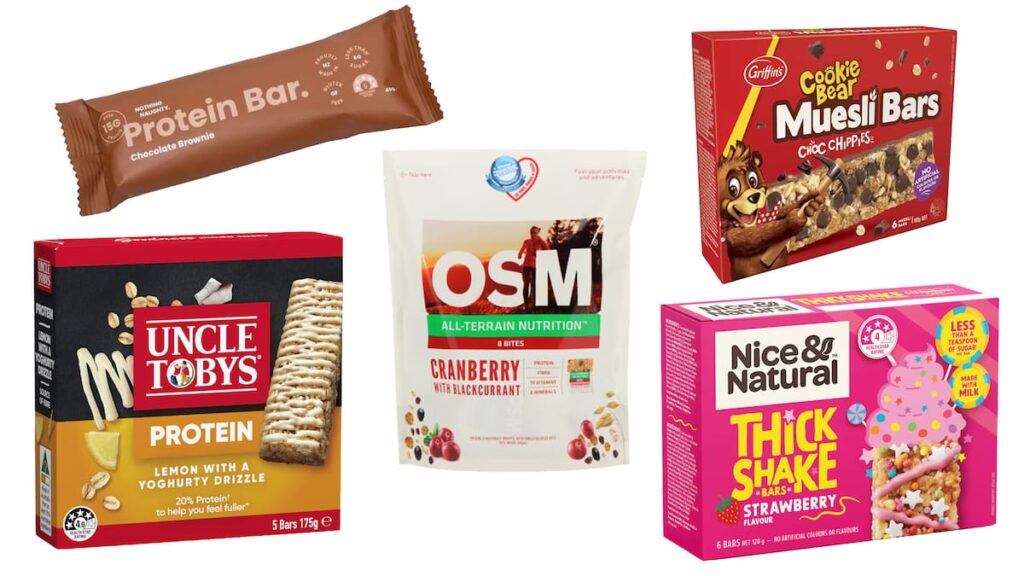
Based on these benchmarks of lower sugar, meaningful fiber, and whole-food ingredients, here are five bars that tend to stack up better:
- OSM (One Square Meal) Bars: Higher in fiber and protein than most supermarket bars, these are designed as balanced mini-meals rather than mere snacks.
- Nothing Naughty Protein Bars: Typically high in protein and lower in sugar than many confectionery-style options.
- Nice & Natural Protein Nut Bars: Featuring real dark chocolate and cacao, these nut-based bars have relatively low sugar per bar.
- Be Natural Trail Bars: Made primarily from whole ingredients like sultanas, dates, almonds, and peanuts, these bars are higher in natural sugars but also deliver fiber and texture.
- Uncle Tobys Protein Muesli Bars: Offering more fiber and protein than classic chocolate chip varieties, these are a more balanced snack choice.
While none of these options are nutritionally "perfect," they serve as better alternatives compared to heavily coated or syrup-laden varieties that resemble candy rather than fuel for your day.
Avoiding Sugar Traps
Conversely, here are five bars that can be categorized as sugar traps and should be consumed sparingly:
- Nice & Natural Thick Shake Range: Highly processed and often high in sugar, sometimes featuring sprinkles or candy inclusions.
- Griffins Choc Chippies Muesli Bars: Characterized by high sugar and low fiber, these bars are heavily chocolate-oriented.
- Flemings Snacker Lotsa Choc: Predominantly chocolate-heavy with minimal whole grain substance.
- Milo Bars: Combining whole wheat with chocolate beverage mix, these are closer to a sweet snack than a balanced option.
- Mother Earth Baked Oaty Slices: Flavors like Raspberry & White Chocolate function more as treats than high-fiber staples.
While these bars aren’t “never foods,” they certainly belong in the occasional category rather than as everyday snacks.
As a final note, while packaged snack bars can play a role in a balanced diet, they should not replace whole, nourishing foods. For both adults and children, it's essential to consider the overall context of their diet. Bars are most useful for convenience or additional fuel during busy days. If you're looking to cut back on ultra-processed snacks, consider roasted nuts, trail mix, yogurt, or even homemade oat-and-seed bars as healthy alternatives.
The bottom line is clear: a muesli bar isn't automatically healthy or unhealthy. Understanding what to look for can help you differentiate between a lunchbox ally and a sweet treat masquerading as a nutritious option.
Is Saving the Planet the New Religion? Discover the Shocking Truth Behind Climate Worship!

Boston's Shocking Move: How $200 Million Will Secure FIFA’s Heart—Will You Miss Out?

You Won't Believe Which State Dominates the Shocking New "Soccer Mom" Rankings! Texas Takes the Lead!

Kraft Sports Steps In: Who's Footing the $10 Million Bill to Secure FIFA World Cup Matches?

Branson's SHOCKING Journey: How He Defied Odds to Reach NorCal Final - You Won't Believe What Happened!

You Won't Believe the SHOCKING Twist on MSU's Senior Night Victory – Fans Are FURIOUS!
You might also like: