
Is Republican Kevin Kiley's Shocking Move in the Sacramento Suburbs a Game-Changer for 2024?

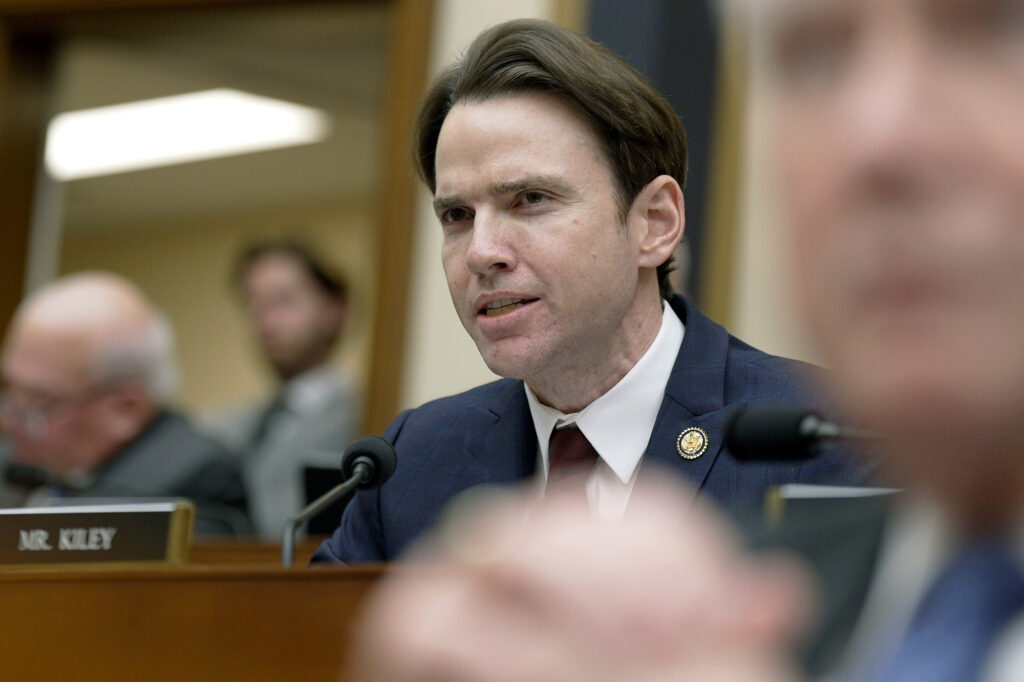
After months of suspense and strategic calculation, Republican Representative Kevin Kiley has officially announced his intention to seek reelection in California’s newly redrawn 6th Congressional District. This decision comes on the heels of Proposition 50, which has significantly altered his former district, creating a landscape that is more favorable to Democratic candidates.
Kiley, a two-term congressman from Roseville, faces a tough uphill battle in this left-leaning district, which data from California Target Book reveals would have favored former Vice President Kamala Harris by over six percentage points in the last presidential election. If Kiley wants to retain his seat, he must navigate the complexities of a district that is not only more Democratic but also reflects widespread voter discontent toward the Trump administration and congressional Republicans.
📰 Table of Contents
Challenges Ahead
Despite appearing to have a clear path to the November ballot, Kiley's challenges are formidable. He faces a primary election in June where he will contend with a fragmented Democratic field that includes Dr. Richard Pan, Sacramento County District Attorney Thien Ho, Lauren Babb-Tomlinson of Planned Parenthood, and Martha Guerrero, the mayor of West Sacramento. A Republican strategist, Mike Madrid, has expressed skepticism about Kiley’s prospects, stating, “He will lose decisively, unless something very odd happens.”
Interestingly, Kiley chose the more Democratic district despite his team's indications that he could win the safer Republican 5th Congressional District, currently held by long-time Congressman Tom McClintock. Kiley cited personal ties to the 6th District, which includes his home base in Placer County, but the decision likely also reflects an awareness of the political optics of challenging a fellow Republican.
In his social media announcement, Kiley stated, “While this will be a more challenging race, I believe we can build a winning coalition for common sense.” His spokesperson, John Pirsos, declined requests for further comment.
As he faces a crowded Democratic field, Kiley has a financial edge, reporting around $2 million in campaign funds by the end of last year, far surpassing his Democratic opponents. This financial cushion could be crucial as he prepares for the general election on November 3, especially if he successfully positions himself as the leading Republican candidate.
However, Kiley, like many Republicans across the nation, must contend with the broader unpopularity of the GOP, influenced heavily by the Trump administration. A recent Reuters-Ipsos poll indicated President Trump’s approval rating stands at just 39%, complicating Kiley’s efforts to attract independent and undecided voters who may be turned off by national Republican themes.
From 2020 Election Skeptic to GOP Critic
Kiley’s political evolution over the last decade further complicates his current campaign. Initially, he presented himself as a moderate conservative, distancing himself from national politics and adopting a more traditional Republican stance. However, he shifted dramatically in response to the evolving political landscape, emerging as a vocal supporter of Trump and a skeptic of the 2020 election results.
During the COVID-19 pandemic, Kiley's opposition to Governor Gavin Newsom garnered him attention within the California Republican base, culminating in a bid for the governorship during the failed recall attempt against Newsom in 2021. However, he received less than 4% of the votes for replacement candidates, highlighting the challenges of his candidacy.
Since the redistricting, Kiley has attempted to moderate his tone, making overtures to independent voters. He introduced a bill to ban mid-decade redistricting and has publicly criticized the tactics employed by House Speaker Mike Johnson, even voting against his party on issues such as Trump’s tariffs on Canada. Yet, Madrid warns that Kiley’s attempts at moderation may come too late, suggesting voters could remain skeptical of his new approach.
As Kiley embarks on this challenging campaign, he faces a pivotal moment not just for his career but for the future of Republican representation in California. The political dynamics in the 6th District, combined with the national Republican landscape, will determine whether Kiley can translate his financial advantages and strategic choices into electoral success.
Bears Shock Fans: DJ Moore’s Blockbuster Trade to Bills—What This Means for Stefon Diggs’ Future!

Snack Sales Skyrocket Amid GLP-1 Weight Loss Craze—Are You Missing Out on This Shocking Trend?

Is Your Heart at Risk? New Study Reveals Shocking Early Exertion Limit in Cardiac Device Patients!

Britney Spears BUSTED for DUI? Shocking Details of Her Wild Night Out Revealed!

You Won't Believe What Just 5 Days of Junk Food Does to Your Brain—The Shocking Truth Inside!

Shocking Secrets About Philly on March 7, 2026: Will You Be One of the 10,000 Left Out?
You might also like: