
Snack Sales Skyrocket Amid GLP-1 Weight Loss Craze—Are You Missing Out on This Shocking Trend?

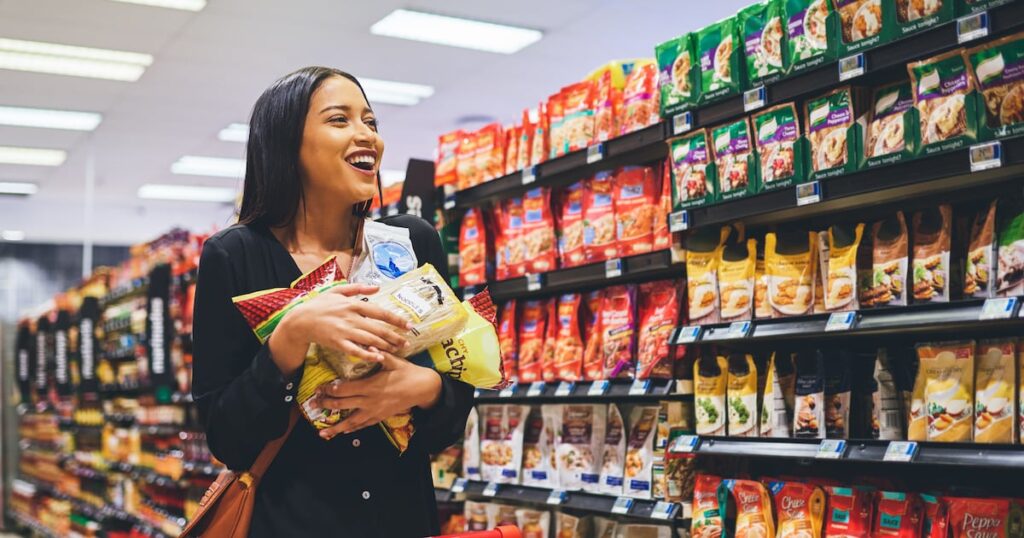
New data analysis from the U.S. Department of Agriculture (USDA) reveals that snack sales continue to show resilience—at least for the moment—despite concerns in the food and beverage industry regarding the rising popularity of GLP-1 drugs for weight loss. After these medications were approved for treating obesity in 2021, the percentage of adults prescribed GLP-1 drugs spiked from 0.5% to just over 2% by 2024, according to data from FAIR Health analyzed by the USDA Office of the Chief Economist.
This data, however, does not encompass figures from 2025 or individuals taking GLP-1 drugs without a prescription. Estimates suggest the actual number of users may be significantly higher; a large survey by RAND indicates that roughly 12% of U.S. adults have tried GLP-1 weight-loss drugs at some point, while a study from Truveta Research estimates that nearly 2.2 million patients were prescribed GLP-1 drugs from January 2019 to December 2025.
The surge in GLP-1 prescriptions has triggered significant anxiety among food industry stakeholders, concerned that the appetite-suppressing effects of the medication would substantially dampen grocery sales. Indeed, some data supports this concern; a study by Cornell University and Numerator, published in late December, found that households using GLP-1 drugs reduced their grocery spending by an average of 5.3%. In higher-income households, this figure rose to 8%.
Still, the long-term impact of these drugs on food consumption remains uncertain. A year ago, research by EY-Parthenon predicted that changes in dietary habits linked to GLP-1 use could result in snack sales losses approaching $12 billion over the next decade. Yet, USDA data presented at the Agriculture Outlook Forum on February 19 indicates that snack units sold are holding steady at slightly over 10 billion per year for 2024, comparable to 2020 levels. While there was a minor uptick in late 2022, the overall trajectory appears stable despite the increase in GLP-1 prescriptions.
“I was surprised to see that when we think about the long-term trend towards GLP-1s’ potential for less food consumption overall – we don’t see that being borne out in the data, just yet,” said Justin Benavidez, USDA Chief Economist. “My theory here was that we would look and we would see some net change in food consumption, but … surprisingly to me, at least, the number of units sold has remained roughly the same.”
The Snack Market’s Future in a GLP-1 World
This analysis aligns with observations from major snack manufacturers and grocery retailers, which report minimal impacts on grocery sales since GLP-1s gained approval for weight management. For example, in 2023, Walmart noted that customers filling GLP-1 prescriptions purchased only “slightly less calories” compared to similar shoppers who did not fill prescriptions.
Coca-Cola CEO James Quincey has also commented on the situation, stating during the company’s fourth-quarter earnings call that while GLP-1 use isn’t significantly hindering the overall beverage business now, he acknowledged shifts in consumer consumption patterns. “We track not just what they do on non-alcoholic beverages, but across what they eat and the alcoholic beverages. One can see the full change in the diet makeup,” Quincey explained. He noted that there appears to be a decrease in the consumption of full-sugar soft drinks, alongside an increase in diet options, hydration products, coffee, and protein drinks.
This evolving landscape could create opportunities for snacks tailored to meet the unique needs of GLP-1 users, such as those high in fiber, protein, and nutrient density. For instance, Simply Good Foods, known for its Atkins-branded products, indicated in its January earnings call that the rise in GLP-1 users represents a growth opportunity. CEO Geoff Tanner mentioned a pilot clinical study showing that GLP-1 users consuming Atkins products experienced positive muscle mass retention, digestive comfort, and improved metabolic markers beneficial for individuals with diabetes.
Interestingly, GLP-1 users might also be leaning towards snacks as convenient mini-meals rather than opting for full-course meals, potentially explaining why snack sales have remained stable so far.
Despite the current stability in snack sales, Benavidez warns that the long-term effects of GLP-1 usage on the food market are still uncertain. “I will be interested to revisit this question a year from now, two years from now, and see if that picture has changed,” he stated. “But these are certainly patterns that we want to observe when thinking about overall food demand and demand for U.S. products.”
Is Your Heart at Risk? New Study Reveals Shocking Early Exertion Limit in Cardiac Device Patients!

Britney Spears BUSTED for DUI? Shocking Details of Her Wild Night Out Revealed!
You Won't Believe What Just 5 Days of Junk Food Does to Your Brain—The Shocking Truth Inside!

Shocking Secrets About Philly on March 7, 2026: Will You Be One of the 10,000 Left Out?
Oklahoma's Medical Marijuana Program on the Brink: What ONE Governor Just Uncovered Will Shock You!
Trump's DOJ Shocker: Is RFK Jr. Really the Key to Measles Herd Immunity? Find Out Now!
You might also like: