
You Won't Believe What Google's New Desktop Mode Can Do for Your Pixel—Is Your Phone Ready for This Shocking Upgrade?

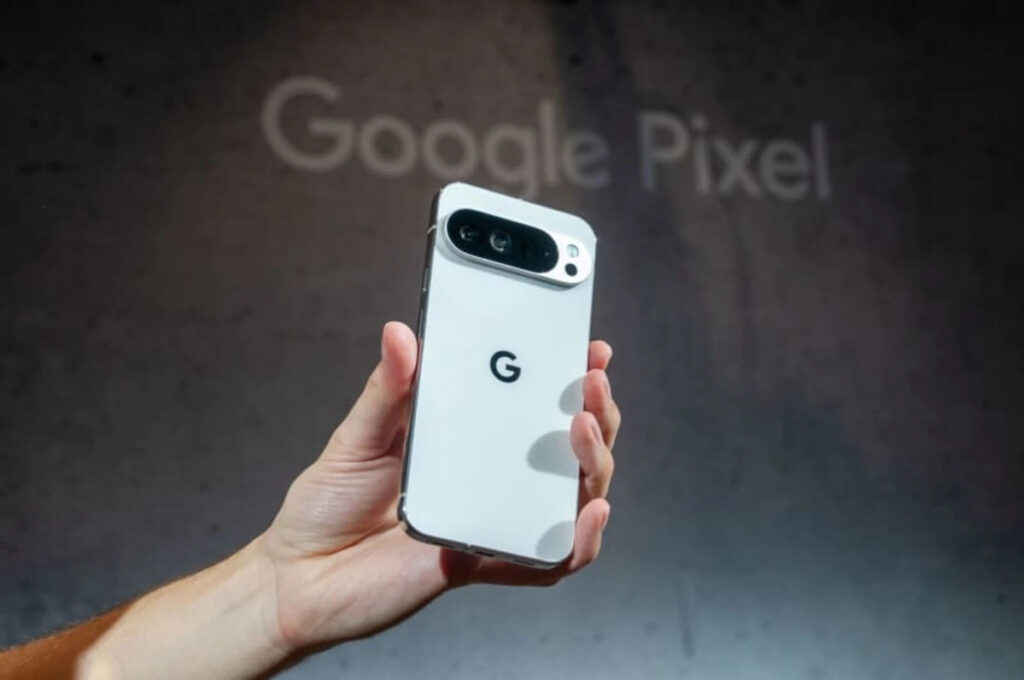
In an exciting development for tech enthusiasts, Google announced that Pixel smartphone users will soon be able to transform their devices into compact computers. With the upcoming March feature drop, this innovative desktop mode will roll out gradually for all Google smartphones starting from the Pixel 8.
This new feature enables Pixel users to connect their phones to an external USB-C monitor, creating a computer-like interface that can be operated with a mouse and keyboard. This setup empowers users to multitask effectively on a large screen—facilitating activities such as text editing, photo viewing, and video streaming. Notably, this desktop mode has been tested in beta versions of Google’s smartphone operating system since 2025, indicating a well-thought-out evolution of the Pixel experience.
Google's shift toward a more versatile smartphone aligns with trends in the tech industry, where the boundaries between smartphones and laptops continue to blur. Samsung offers a comparable feature known as DeX, which also allows its users to expand their smartphone interface into a desktop-like experience when connected to a USB-C display. Interestingly, Google collaborated with Samsung on this rollout, according to industry media reports, highlighting a shared vision for the future of mobile computing.
Additional Features in the March Update
Beyond the desktop mode, Pixel users can anticipate a range of enhancements in the March feature drop. Google recently shared insights into several exciting updates:
- Now Playing: The music recognition feature has become a standalone app, making it more accessible. Users can now easily track their music recognition history and even play recognized songs directly in their preferred music application.
- Personalization Options: Pixel users can enjoy new AI-generated display styles for their device, allowing for a more personalized mobile experience.
- Scam Detection: Following its earlier launch in the US, Australia, Canada, India, and Ireland, scam detection for phone calls is now being rolled out in countries including France, Italy, Spain, Mexico, Germany, and Japan.
- Circle to Search: This feature lets users circle objects on their screen to search the web. On Pixel 10 devices, it can now identify specific aspects of an image, like clothing, and generate AI-rendered results on the user's own body.
These updates reflect Google's commitment to enhancing user experience and ensuring that Pixel devices remain competitive in the fast-evolving smartphone market. As consumers increasingly seek multifunctional devices that cater to their diverse needs, the ability to use a smartphone as a computer could mark a significant shift in how we perceive mobile technology.
The growing trend of integrating desktop capabilities into smartphones not only serves the needs of professionals working on the go but also caters to a general audience looking to simplify their tech ecosystem. As more manufacturers explore similar features, we could be on the brink of a new wave of mobile computing that redefines the role of smartphones in our daily lives.
With such significant changes on the horizon, Pixel users can look forward to a more versatile and productive mobile experience. As Google rolls out these features, it will be interesting to see how they influence consumer behavior and set new standards within the industry.
Is Your Blood Turning Toxic? Shocking Truth About Carbon Dioxide You Must Know Now!

Is This Controversial GOP Candidate the Key to Saving California from Itself? You Won't Believe His Shocking Plan!

BTC Soars to $74K! What This Shocking Surge Means for Your Crypto Future!

Discover the Shocking Secret Behind New Zealand's Rural Boom: Are You Missing Out on $100K Gains?

You Won't Believe What Doug Mills Reveals About Capturing the U.S. Presidency! 4 Shocking Secrets Inside!

Rapper-turned-mayor makes a shocking bid for Nepal’s leadership—will Gen Z’s protests spark chaos again?
You might also like: