Tarrant County's Election Battle: 5 Surprising Candidates You Didn't Expect to Rise!

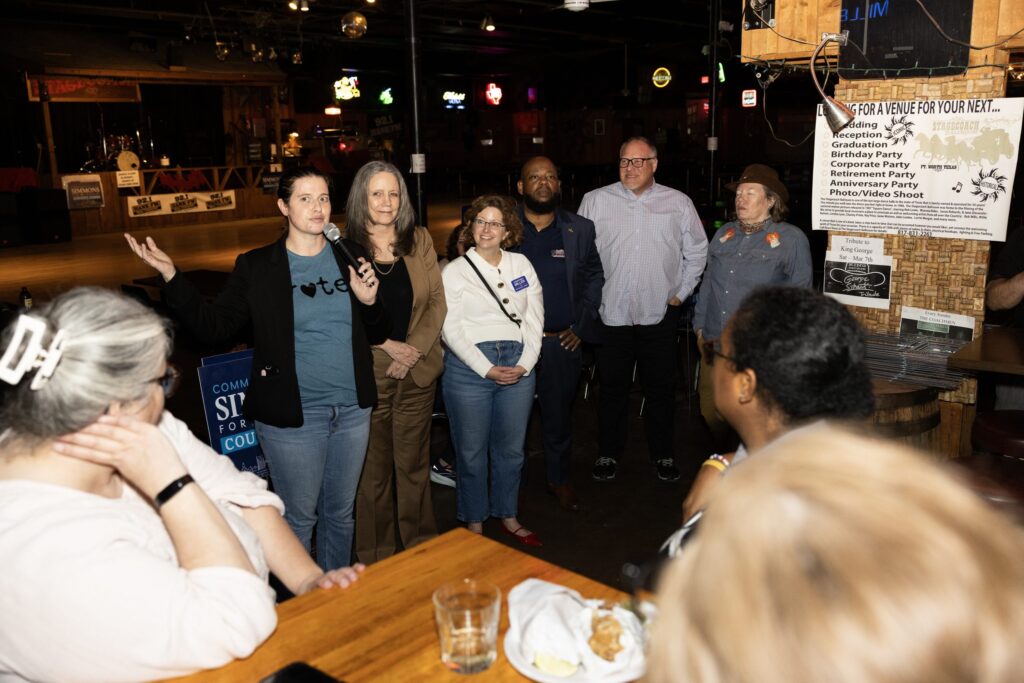
Tarrant County's primary elections on March 3, 2026, witnessed a noteworthy surge in voter turnout, with Democrats mobilizing their base more effectively than Republicans for the second consecutive election cycle. Approximately 26% of Tarrant's 1.3 million registered voters participated in this year's primaries, significantly higher than the 15% to 20% turnout rates seen in recent years. Of those who cast ballots, around 56% opted for the Democratic primary, indicating a potential shift in voter sentiment as the general election approaches in November.
Political analysts and local officials highlight that high turnout rates can serve as a powerful indicator of electoral momentum. Keith Gaddie, a political science professor at Texas Christian University, remarked, "People are going to turn out in November. Angry voters are motivated voters. And right now, Democrats are really angry. That’s why you got the turnout you’ve got." This sentiment reflects a growing frustration among Democratic voters, potentially signaling a competitive general election ahead.
Historically, Tarrant County has been a Republican stronghold, but recent elections have shown signs of becoming a battleground area, with voters increasingly supporting Democratic candidates. Both Gaddie and Matthew Wilson, a political science professor at Southern Methodist University, agree that Tarrant County serves as a bellwether for national elections. Wilson emphasized, "If Democrats don’t produce a blue wave in this cycle and don’t make major gains in Texas in this cycle, then I think they’re not going to for the foreseeable future." However, he cautioned that while primary turnout is promising, it does not guarantee a sweeping victory in the upcoming general elections, where turnout historically tends to be higher.
Statewide, about 52% of the nearly 4.3 million Texas primary voters participated in the Democratic primary for the U.S. Senate race, compared to 48% in the GOP primary. Allison Campolo, chair of the Tarrant County Democratic Party, credited her party’s turnout to a comprehensive campaign strategy that included block walking and door knocking. She believes local Republicans’ actions, described as "tactics and antics," also played a role in energizing the Democratic base. "Voters are really ready for a change, ready to see Democrats in office, and we saw that in the primary voting numbers," said Campolo.
Despite the promising turnout, both sides recognize that the general election landscape is not solely determined by primary results. Tim Davis, chair of the Tarrant County Republican Party, asserted that the two parties' primary dynamics differ significantly, suggesting that Democrats had more competitive races on their ballot. "No, we’re not experiencing a blue wave," Davis stated, adding that the excitement among Democrats is largely a response to their unique Senate race this cycle.
Looking back, Davis noted that Tarrant County has a history of fluctuating voter sentiments. In 2008, the county saw a Democratic turnout of 200,317 votes versus 101,761 for GOP candidates, yet John McCain secured 55% of the county’s vote in the general election against Barack Obama. This historical precedent raises questions about whether the current Democratic enthusiasm will carry through to November.
As both parties prepare for the general election, the stakes are high. Wilson mentioned that the Republicans' ability to mobilize their base will be crucial. "If Republicans show lackluster, listless turnout, it could be a really catastrophic year for them," he warned, while acknowledging the importance of the GOP generating its own energy to counter the Democrats. The results of the primary elections indicate a significant moment for Tarrant County as it shapes its electoral future.
In the aftermath of the primaries, the Tarrant County judge urged local Republicans to remain engaged to ensure their voices are heard in November. O’Hare emphasized that complacency can lead to unexpected outcomes, underscoring the need for a robust campaign strategy moving forward. He expressed confidence that Tarrant County would maintain its Republican identity, declaring, “When all is said and done, Tarrant County will still be a bright red flag.”
As we move closer to the general election, both parties acknowledge the importance of maintaining momentum. Campolo stressed the need for Democrats to keep their efforts focused and energized to capitalize on their recent gains, while Davis emphasized the urgency for Republicans to articulate their values and demonstrate their superiority in addressing voters’ concerns.
This election cycle in Tarrant County serves as a critical case study of evolving political dynamics in Texas, capturing the shifting allegiances of voters and underscoring the importance of grassroots mobilization. With November on the horizon, all eyes will be on whether Democrats can sustain their recent momentum or if Republicans will reclaim their past dominance in this pivotal county.
You Won't Believe How This $1 Million Funding Will Transform Dental Care in Georgia!
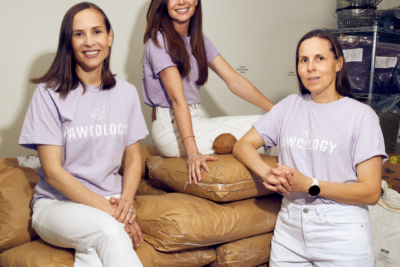
From Blog to Breakthrough: How Rawcology Defied the Odds to Become a $10M Allergy-Friendly Snack Empire!
Elon Musk's Shocking Confession: Did He Sabotage Twitter's Stock Before His Takeover?

Seahawks Star Faces SHOCKING Injury Update—Fans Are Left in TOTAL Panic! What Happens Next?
Measles Outbreak Hits Colorado School: 3 Cases and Counting—Is Your Child Safe?

You Won't Believe What Happened at Jeff Cook's Exclusive Client Appreciation Event—Shocking Surprises Await!
You might also like: