
You Won't Believe What Honor's New Robot Phone Can Do—Is This the Future of Smartphones?

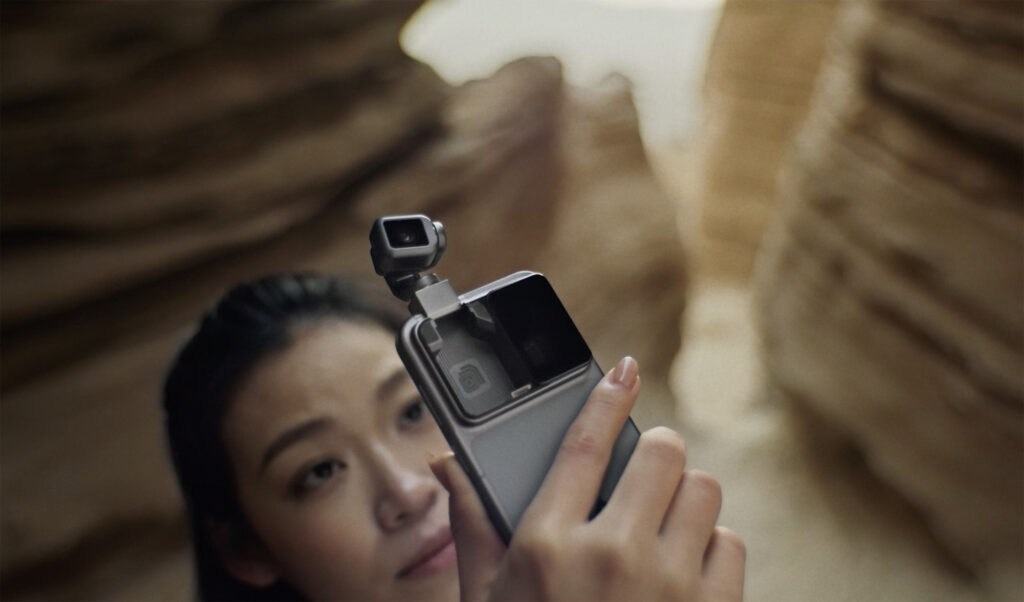
At this year’s Mobile World Congress, Chinese electronics company Honor unveiled a groundbreaking concept: a smartphone equipped with an articulating robot arm. Introduced as a "new species of smartphone," the aptly named Robot Phone aims to leverage advanced AI capabilities, effectively combining robotic technology with mobile communication. Honor describes the device as if it were "packing a robot into a smartphone," marking a significant leap in the integration of AI and everyday technology.
The Robot Phone, which Honor plans to launch in late 2026, features a compact robotic arm that houses a 200-megapixel camera stabilized by a gimbal system. This motorized system enables users to create professional-quality videos, providing smooth pans and tilts while maintaining balance during movement.
However, Honor’s ambitions extend beyond just content creation. The company envisions the robotic arm facilitating a more "human" style of interaction with the device. In a video demonstration, the camera module appeared to engage with its surroundings—capturing footage at a party, nodding in approval, and even seeming to marvel at outfits as a woman tried them on. Honor refers to this interaction as "embodied AI," suggesting that the phone's AI can express personality through physical movement.
According to the company, this approach will allow devices to interact with users in more dynamic ways. "Rather than reacting solely through screens and voice commands, Honor is, figuratively, giving its next generation of devices not only a brain, but also hands and feet, combining AI with more physical, expressive interaction through motion and camera movement," the company stated.
The AI capabilities of the Robot Phone don't stop at video production; it is designed to identify sounds, track motion, and maintain visual awareness. For instance, during video calls, the camera can follow a user as they move around, ensuring steady recordings and capturing cinematic shots that would typically require professional equipment. Honor’s 4DoF (four degrees of freedom) technology combines the three axes of the gimbal with additional movement provided by the robotic arm, enhancing the filming experience.
When not in use, the robotic arm is tucked away in a compartment at the back of the phone, an area that has become somewhat notorious for the "phone bump" in modern smartphone design. A sliding cover with a transparent window protects the camera, allowing users to take photos even when the camera is retracted.
Honor positions the Robot Phone as part of its broader vision for "Augmented Human Intelligence" (AHI), focusing on creating human-centric AI experiences. Alongside the Robot Phone, the company also introduced a humanoid robot during its keynote presentation, though this remains a concept for the time being.
Founded in 2013 and originally a subsidiary of Huawei, Honor is best known globally for its innovative folding phones. The company claims that its expertise in foldable technology has significantly contributed to the engineering of the Robot Phone, accommodating a compact motor that integrates the gimbal system within a device that retains a standard smartphone size.
In addition to the Robot Phone, Honor also launched the Magic V6, an update to its ultra-thin folding phone, at the Mobile World Congress. As the tech industry continues to evolve with increasing demands for AI integration, Honor's Robot Phone presents an intriguing glimpse into the future of mobile technology, showcasing the blending of robotics and smartphones in a way that could redefine user interaction.
You Won’t Believe What the White House is Hiding Until March 30—Budget Secrets Exposed!

2026 NFL Free Agency: Shocking Player Moves & $200M Teams Set to Dominate - Will Your Team Be Left Behind?

I Can Only Handle Mom for 90 Minutes—The Guilt and Loneliness Are Crushing!

Delta’s Shocking Flight Boost for Masters Week: Discover What They’re Offering Golf Fans!

The Terrifying New Microbes Taking Over Water and Soil—Are You at Risk? Find Out Now!

Is Your Sales Team Doomed? Discover the 2 Shocking Playbooks AI Startups Swear By!
You might also like: