
The Terrifying New Microbes Taking Over Water and Soil—Are You at Risk? Find Out Now!

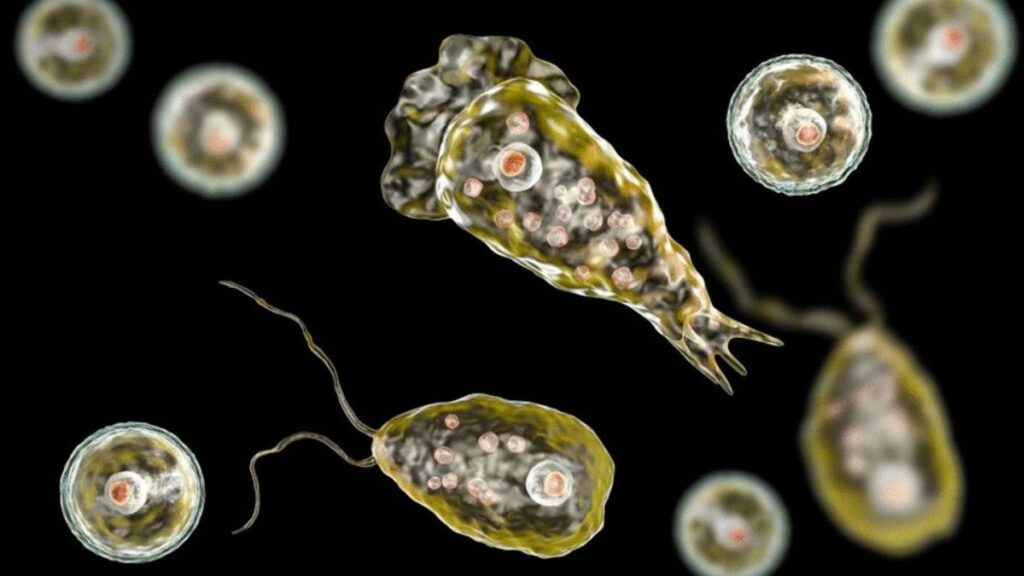
A little-known group of microbes is quietly encroaching on the spaces where we swim, irrigate crops, and draw water from our taps. In a recent perspective piece published in the journal Biocontaminant, a team led by Longfei Shu emphasizes that free-living amoebae are emerging as a significant global public health challenge, exacerbated by climate change and aging water infrastructures.
While most of these single-celled organisms are harmless, a few can pose serious threats. The most notorious is Naegleria fowleri, often referred to as the "brain-eating amoeba." This pathogen can lead to a rare but almost always fatal brain infection if contaminated water is forced high into the nose during activities such as swimming. Since 1962, the Centers for Disease Control and Prevention (CDC) has reported 167 cases in the United States, with only four survivors. A global review found a mere handful of additional survivors among approximately 381 documented cases through 2018.
For many, this sounds like an affliction that occurs to someone else, somewhere else. So why are scientists raising alarms now?
📰 Table of Contents
The Resilience of Free-Living Amoebae
Free-living amoebae flourish in both natural wetlands and human-made environments like pipes, storage tanks, hospital plumbing, and cooling towers. They have remarkable survival strategies, forming tough cysts that allow them to withstand harsh conditions, including high temperatures and common disinfectants like chlorine.
Research indicates that some species of these amoebae colonize biofilms within water distribution systems typically considered safe. Consequently, they may lurk behind the reassuring flow of clear tap water or in warm, stagnant areas of backyard hoses, decorative fountains, or poorly maintained splash pads on hot days.
The Biocontaminant paper underscores that amoebae are not just pathogens in their own right; they also serve as mobile shelters for other microbes, including bacteria, fungi, and viruses, as well as genes that confer resistance to antibiotics. Studies on water quality have revealed alarming findings. For instance, in one tidal creek in Mumbai, nearly half of the bacteria found living inside amoebae exhibited resistance to four or more antibiotics, while less than one percent of bacteria from surrounding sediment displayed similar resistance.
Inside their amoeba hosts, these harmful bacteria and viruses are shielded from disinfectants and can navigate through water systems in ways that standard monitoring often overlooks. Thus, a single-celled organism that is invisible to the naked eye can help dangerous germs survive their journey through pipes, reaching hospital taps and acquiring new resistance traits along the way.
Climate Change and Its Impact
The authors of the Biocontaminant paper note that climate change and other environmental shifts are increasing human exposure to these amoebae. Warmer surface waters and more frequent heat waves have created ideal conditions for thermophilic amoebae like Naegleria fowleri in lakes, rivers, and even poorly managed water features. Reports of fatal infections are now emerging from regions once considered too cool for these organisms, reflecting broader trends linked to rising temperatures.
Additionally, droughts and infrastructure issues compel communities to reuse wastewater or seek new water sources. When treatment systems are poorly designed or maintained, scientists warn that free-living amoebae can easily slip through and establish themselves downstream.
A One Health Approach to Prevention
The researchers propose a comprehensive "One Health" strategy that integrates environmental monitoring, water engineering, and clinical surveillance, rather than treating infections only after they occur. This approach includes developing faster and more affordable diagnostic tests for amoebic infections, routine monitoring of amoebae in high-risk water systems, and upgrading treatment technologies such as filtration, ultraviolet light, and ozone to target both amoebae and the pathogens they harbor. International organizations like the World Health Organization have already begun issuing technical guidance for controlling Naegleria fowleri in drinking water, indicating that these concerns are becoming increasingly mainstream.
For the average reader, it is essential to note that the brain-eating infections that often make headlines remain extremely rare. Simple precautions—such as avoiding getting warm freshwater high into the nose, using sterile or boiled water for nasal rinses, and choosing well-maintained pools—can significantly mitigate individual risks.
Ultimately, the broader narrative is about how we manage water resources in an increasingly warming world. Despite their microscopic size, free-living amoebae expose vulnerabilities in our water systems and highlight the interconnectedness of environmental change, infrastructure, and public health.
The study was published in Biocontaminant.
Is Your Sales Team Doomed? Discover the 2 Shocking Playbooks AI Startups Swear By!

Is Ethereum's 10% Surge a Sign of a Massive 200% Explosion Coming Soon? You Won’t Believe What’s Next!

You Won’t Believe What the 2026 Midterm Elections Reveal About America’s Future! 5 Shocking Takeaways!

New Jersey Health Care Workers Just Secured a Shocking Contract—You Won't Believe What They Gained!

You Won't Believe How Homeschool Students Transformed Their Lives at the YMCA—Shocking Results Inside!

Why is Bedford Township Trustee Facing Backlash Over Just 3 Controversial Tweets? Find Out Now!
You might also like: