
You Won't Believe These 10 Shocking Dietary Guidelines—Are You Eating Wrong? Find Out Now!

The recently released Dietary Guidelines for Americans have sparked conversations about nutrition and healthy eating habits. These guidelines, which are updated every five years, maintain several well-established recommendations while introducing some noteworthy changes aimed at improving public health.
At the core of the new guidelines remains the advice to consume a variety of fruits and vegetables, opt for whole grains, and limit added sugars and highly processed foods, especially those high in sodium. However, a notable shift in this edition highlights an increased emphasis on protein intake, including the promotion of foods like butter, beef tallow, red meat, and whole milk. This contrasts with the continued advice to limit saturated fats typically found in these foods.
Dr. Michelle McMacken, Executive Director of Nutrition and Lifestyle Medicine, underscores that a healthy diet should center on whole, minimally processed foods. “Eating more fruits, vegetables, beans, lentils, chickpeas, nuts, seeds, and whole grains is essential,” she explains. “Healthy eating also means lower consumption of red and processed meats, highly processed grains, and sugary foods and drinks.”
As for protein, Dr. McMacken clarifies, “Most adults in the U.S. already meet or exceed their protein needs. What’s key is which protein foods we choose. We should include more protein from plant sources, like beans, lentils, chickpeas, and soy foods.” She also encourages the selection of healthy fat sources, including nuts, seeds, avocados, olive oil, and canola oil, along with fatty fish for those who consume seafood.
For individuals with chronic health conditions, consulting a healthcare provider regarding the new guidelines is strongly advised. Here are ten tips from Dr. McMacken on maintaining a healthy diet:
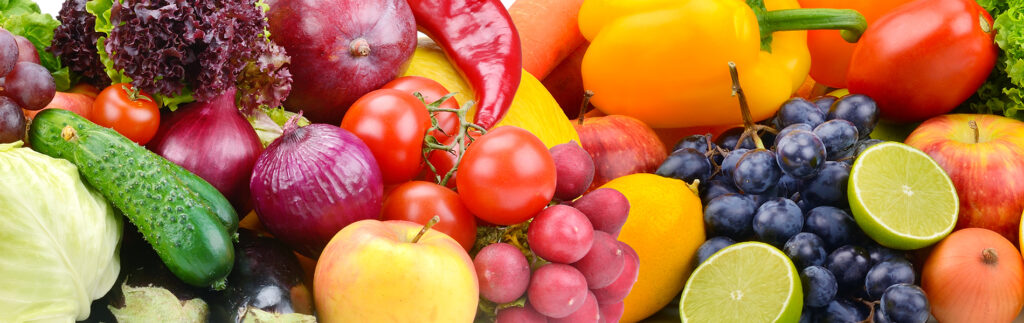
- Eat a colorful variety of vegetables and fruits
throughout the day. Aim to fill half of your plate or bowl with non-starchy vegetables like spinach, broccoli, cabbage, and peppers. Enjoy whole fruits as snacks or desserts rather than fruit juices, which lack the fiber and nutrients found in whole fruits. - Incorporate more whole grains like rolled oats, corn tortillas, and 100% whole-grain bread, replacing white breads and rolls.
- Increase plant protein intake from foods such as beans, lentils, chickpeas, split peas, tofu, edamame, nuts, and seeds. Research links plant protein to a lower risk of heart disease, type 2 diabetes, and certain cancers. For those who consume animal proteins, Dr. McMacken suggests choosing seafood, poultry, and low-fat dairy products while ensuring ample plant protein is included.
- Select healthy fats from sources like nuts, seeds, avocados, olive oil, and fatty fish like salmon or sardines, while avoiding deep-fried foods.
- Cook at home whenever possible. Home-cooked meals are generally lower in sodium, more nutritious, and more cost-effective than take-out meals.
- Limit saturated fats, which are highest in meats, butter, whole milk, ice cream, cheese, and certain oils. These fats can raise blood cholesterol levels and increase the risk of heart disease. Low-fat or skim dairy options, along with unsweetened, calcium-fortified soy milk, are recommended.
- Reduce consumption of highly processed foods high in sodium and added sugar, such as packaged chips, cookies, and candy.
- Avoid sugary drinks including sodas, sports drinks, and sweetened coffee beverages; instead, opt for plain water, seltzer, or other unsweetened drinks.
- Steer clear of processed meats like ham, bacon, hot dogs, deli meats, and sausage, as these have been linked to increased risks of cancer, heart disease, and type 2 diabetes.
- Limit alcohol consumption; abstaining from alcohol is considered the safest choice due to its association with various health risks, including liver issues and multiple types of cancer.
These guidelines reflect a growing understanding of nutrition and its impact on health. For more information, individuals can consult their healthcare providers, seek referrals to registered dietitians, and explore resources from the NYC Department of Health. Additionally, programs like the Lifestyle Medicine Programs at NYC Health + Hospitals can provide valuable support for those looking to make healthier choices.
In a time when chronic diseases are prevalent and nutrition is more vital than ever, these updated guidelines serve as a crucial resource for Americans striving to improve their eating habits and overall health.
Shocking Upset in North Carolina's 2026 Primary: You Won't Believe Who Won!

$10M Alabama Initiative Unleashes 9 Startups—Will Yours Be Next? Don’t Miss Out!

You Won't Believe How $5.1M from JLL Foundation is Transforming Climate Startups—Find Out What’s at Stake!

You Won't Believe What Arkansas Just Secured With Tyson Foods – This Changes Everything!

Turkey's Shocking New Law: Are Kids Under 15 Set to Lose Social Media Forever? Find Out Why!

You Won't Believe What This Open Letter to Biden Reveals About His Next BIG Move!
You might also like: