Trump's Oil Crisis Blunder: Why Global Markets Are Spiraling Downward! You Won’t Believe the Numbers!

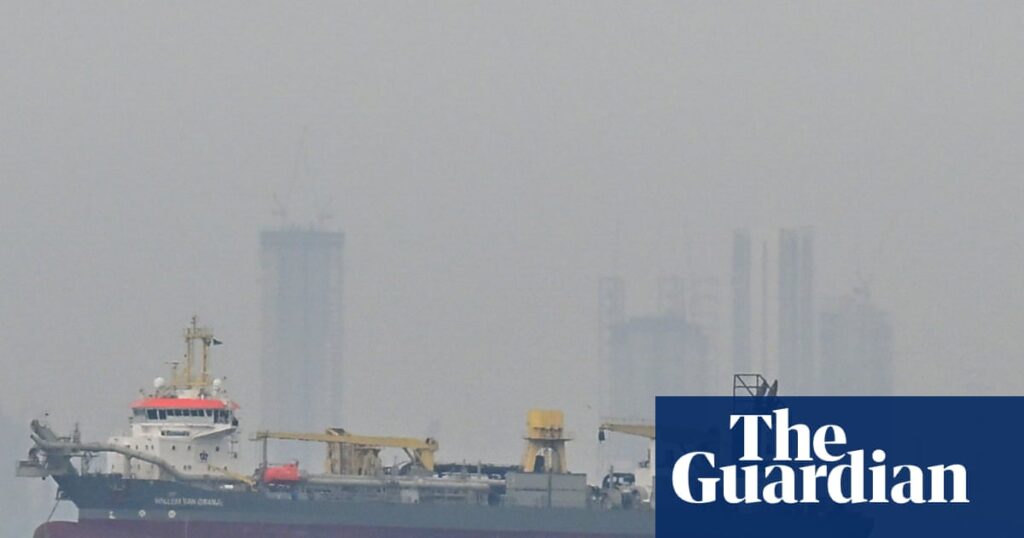
Global markets faced significant pressure on Wednesday, driven by ongoing tensions in the Middle East, particularly surrounding the strategic Strait of Hormuz. Despite former President Donald Trump proposing that the U.S. Navy escort tankers through this critical waterway, fears lingered regarding a prolonged energy supply crisis due to escalating conflict in the region.
The situation intensified this past weekend, when Iranian vessels were reportedly targeted by U.S. and Israeli military actions, effectively closing off the strait. This closure raised alarms in global markets as approximately one-fifth of the world’s oil supply and significant volumes of seaborne gas traverse through this vital artery.
David Solomon, the CEO of Goldman Sachs, stated that it could take “a couple of weeks” for market participants to fully grasp the implications of the U.S.-led military operations in the region. “I think it’s gonna take a couple of weeks for markets to really digest the implications of what has happened, both in the short term and medium term,” he added during a speech in Sydney.
Asian stock exchanges bore the brunt of the market downturn on Wednesday. Trading was suspended in South Korea as the benchmark Kospi index plummeted by as much as 11.3%, before settling down 7.7%. In Tokyo, the Nikkei 225 fell 3.9%, reflecting investor unease.
Meanwhile, oil prices surged, with Brent crude, the international benchmark, climbing 1.4% on Wednesday to reach $82.53 per barrel. This was its highest price since January 2025, as traders braced for significant disruptions in oil supply due to the ongoing unrest.
According to Brad Cooper, the commander of the U.S. Central Command, the U.S. military has taken decisive action against Iranian naval forces, destroying 17 Iranian ships, including a submarine, since the onset of military operations on Saturday. “Today, there is not a single Iranian ship underway in the Arabian Gulf, Strait of Hormuz, or Gulf of Oman,” he declared in a video statement.
In an attempt to alleviate concerns regarding long-term disruptions to the global oil market, Trump took to his platform, Truth Social, stating, “If necessary, the United States Navy will begin escorting tankers through the Strait of Hormuz, as soon as possible. No matter what, the United States will ensure the FREE FLOW of ENERGY to the WORLD.” He also mentioned that political risk insurance would be available to vessels navigating the Gulf at “a very reasonable price.”
Incidents affecting commercial vessels near the United Arab Emirates and Oman were reported by the United Kingdom Maritime Trade Operations, heightening concerns among shippers operating in the region.
As the New York stock market prepared for a lower opening on Wednesday, many investors remained cautious. Trump has often highlighted the performance of U.S. stock markets as a measure of his administration's success. Yet, Solomon noted a surprising resilience in market reactions given the gravity of the situation, stating, “I’m actually surprised that the market reaction has been more benign given the magnitude of this.”
The implications of these developments extend beyond the immediate financial markets. As the U.S. seeks to stabilize the situation, the potential for an energy supply crisis looms, with far-reaching consequences for consumers and businesses alike. The ongoing volatility underscores the interconnectedness of global markets and the importance of geopolitical stability in maintaining a robust supply chain for energy resources.
Urgent Recall: Millions of Beef Jerky Packs Linked to Dangerous Contamination - Are You at Risk?

You Won't Believe the Shocking Secrets Uncovered in St. George Hospital's 100-Year Medical History!
California Democrats in Chaos: Is the Party Chair's Shocking Ultimatum About to Change Everything?

Discover the 3 Surprising Snacks That Boost Heart Health Without Adding Pounds—You Won’t Believe #2!

Urgent! Your Favorite Beef Jerky Could Be Poisoned – Check Your Pantry Now Before It’s Too Late!

You Won't Believe How Deshaun Watson Could Derail the Browns' QB Plans in 2026!
You might also like: