
Urgent Recall: Millions of Beef Jerky Packs Linked to Dangerous Contamination - Are You at Risk?

Grocery shopping can be a daunting task, especially for those with food restrictions or dietary issues. Fortunately, several apps can simplify the process, helping consumers find safe options tailored to their needs. However, a recent alert from the U.S. Department of Agriculture's Food Safety and Inspection Service (FSIS) highlights the importance of vigilance when it comes to food safety, particularly for those with allergies.
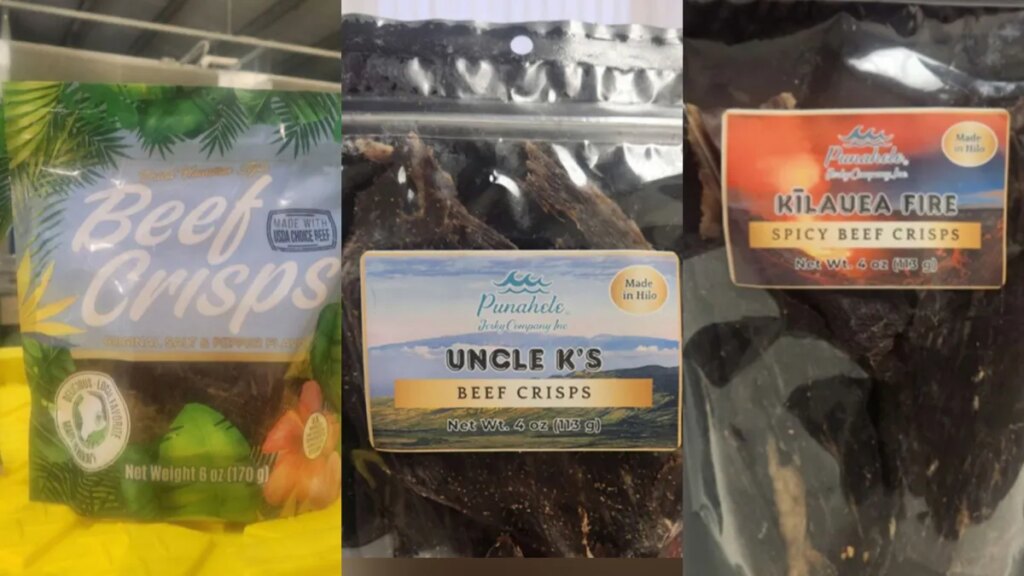
On March 1, 2025, the FSIS issued a public health alert concerning specific beef jerky products from the Punahele Jerky Company. These products may contain soy lecithin, an allergen not listed on the packaging. Unlike a recall, which involves removing potentially dangerous products from shelves, this alert was necessary because the affected items are no longer available for purchase.
Although there have been no reported adverse reactions related to these beef jerky products, the FSIS is concerned that some consumers may still have them in their pantries. The alert specifically covers three products:
- 6-ounce bags of Dried Hawaiian Style Beef Crisps (salt and pepper flavor)
- 4-ounce bags of Uncle K’s Beef Crisps
- 4-ounce bags of Kilauea Fire Spicy Beef Crisps
The beef jerky products were sold in retail stores across Hawaii and online nationwide. The potential allergen was identified during a routine label review conducted by the FSIS.
For those who may have purchased these snacks, the FSIS advises not to consume them. The packaging features a best buy date of February 17, 2027, or earlier, and consumers are urged to either dispose of the products or return them to the place of purchase.
Customers with questions can contact the Hilo Fish Company at 808-961-0877. For additional support, the USDA's Food Safety Meat and Poultry Hotline is available at 888-674-6854, and inquiries can also be directed to [email protected].
Understanding Soy Lecithin
But what exactly is soy lecithin? According to the University of Rochester Medical Center, lecithin refers to a group of chemicals the body uses to transport fats. Commonly found in foods such as egg yolks, soybeans, wheat germ, peanuts, and liver, soy lecithin is often used in the food industry as an emulsifier. This means it helps blend ingredients that typically do not mix well, such as oil and water. For example, in salad dressings, soy lecithin helps to create a smooth consistency.
This alert underscores the need for consumers, particularly those with food allergies, to remain vigilant. As more people turn to convenience foods and snacks, the risk of encountering allergens in unexpected places increases. Awareness and education about food labeling and potential allergens are essential components in ensuring food safety for all consumers.
In a world where dietary preferences and restrictions are more common than ever, grocery shopping apps can serve as valuable tools. They allow users to filter out foods that contain allergens, making shopping more manageable. However, as this beef jerky incident shows, it remains crucial for consumers to read labels thoroughly and stay informed about what is in the foods they purchase.
As we navigate the complexities of food safety and dietary needs, it is clear that both technology and personal vigilance will play critical roles in ensuring healthy choices for all consumers.
You Won't Believe the Shocking Secrets Uncovered in St. George Hospital's 100-Year Medical History!

California Democrats in Chaos: Is the Party Chair's Shocking Ultimatum About to Change Everything?
Discover the 3 Surprising Snacks That Boost Heart Health Without Adding Pounds—You Won’t Believe #2!
Urgent! Your Favorite Beef Jerky Could Be Poisoned – Check Your Pantry Now Before It’s Too Late!

You Won't Believe How Deshaun Watson Could Derail the Browns' QB Plans in 2026!

Trump's Shocking College Sports Roundtable: UGA, Nebraska, and Tennessee Make Bold Predictions – Will They Change Everything?
You might also like: