Why Are 1 in 5 Parents Refusing Measles Vaccinations? The Shocking Consequences Revealed!

by William Kim, M.D.,
Chief Medical Advisor, Beach Cities Health District
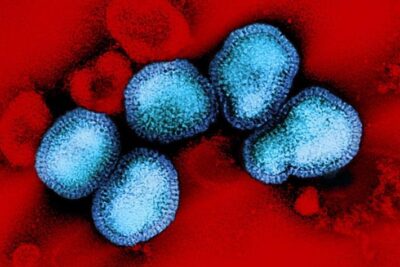
While many Americans associate measles with a bygone era of childhood diseases, it is crucial to recognize that this highly contagious virus is far from eradicated. In fact, recent outbreaks have highlighted the resurgence of measles, especially in communities with lower vaccination rates. Vaccination remains one of the most effective methods to protect not only ourselves but also those around us.
Measles is a viral infection that is more contagious than the most infectious variants of COVID-19. The virus spreads through the air via respiratory droplets when an infected person coughs or sneezes. Alarmingly, it can linger in the air and infect others long after the infected individual has left the room.
Symptoms of measles typically begin with a high fever, followed by a runny nose, cough, and red, watery eyes. The characteristic rash usually starts on the face and gradually spreads downward across the body. While many individuals recover without complications, measles can lead to severe health issues, including pneumonia, brain inflammation known as encephalitis, hospitalization, and even death in rare cases.
In the United States, continuous measles transmission was eliminated years ago; however, outbreaks still occur, primarily in under-vaccinated communities and among international travelers who bring the virus back home. This underscores the importance of maintaining high vaccination coverage to prevent the spread of this disease.
Who Should Get the MMR Vaccine?
The MMR vaccine, which protects against measles, mumps, and rubella, has been safely administered for decades and is the best defense against these diseases. The following groups should receive at least one dose of the MMR vaccine:
- Individuals born in 1957 or later who lack proof of immunity
- People who have not received two documented doses
- Those without laboratory evidence of immunity
Additionally, two doses of the vaccine, spaced at least 28 days apart, are recommended for:
- Healthcare workers
- College students
- Individuals planning to travel internationally
- People at increased risk during local outbreaks
Most adults born before 1957 are generally considered immune due to likely childhood exposure to the virus.
Who Should Not Receive the MMR Vaccine?
While the MMR vaccine is safe for most individuals, certain people should avoid it. These include:
- Pregnant individuals (and they should avoid becoming pregnant for four weeks after vaccination)
- Those with severe immunocompromised conditions
- Individuals who have experienced serious allergic reactions to a previous dose of the MMR vaccine or to one of its components
If you are uncertain about your vaccination status, it is advisable to consult with your healthcare provider to discuss your individual circumstances.
It is important to note that the MMR vaccine has an excellent safety record. Common mild side effects may include soreness at the injection site, a low-grade fever, and/or a mild rash; however, serious side effects are rare. Most adults require no more than two doses of the vaccine throughout their lives, and routine booster shots are not generally recommended unless specific risk factors arise.
If you're unsure about your vaccination history, it is safe to receive the MMR vaccine again; blood tests can also verify your immunity status.
As we have learned over the last six decades, measles can be effectively prevented through vaccination. This not only safeguards your health but also protects infants, pregnant women, and those with weakened immune systems who are unable to be vaccinated themselves. Thus, if you have any doubts about your vaccination status, reviewing your records is a simple yet vital step to ensure the health of our community as a whole.
You Won't Believe What the 2025-2026 Flu Vaccine Can Do to Your Antibodies! Act Fast!

SoFi Soars Unexpectedly—Is Mastercard's Stablecoin Move a Game Changer for Investors?

Massive Funding Cuts Threaten Health Centers: Are Your Treatments at Risk? Shocking Details Inside!

The Shocking Game of Thrones Movie You NEVER Knew Was Coming: Andor Writer's Bold Vision Revealed!

This London Neighborhood is Giving Away FREE Solar Panels to Low-Income Families—Are You Missing Out?

Are You the Next Face of Yakima Valley? Shocking $5,000 Scholarship Awaits—Apply Before It’s Gone!
You might also like: