
You Won't Believe the Shocking Statistics Behind World Birth Defects Day—Are Our Policies Failing?

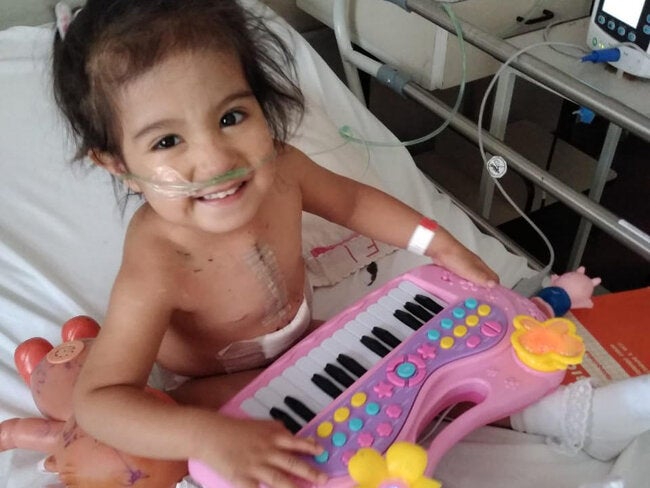
As we mark World Birth Defects Day on March 3, 2026, the importance of raising awareness about congenital conditions becomes ever more urgent. These conditions remain one of the leading causes of neonatal mortality and childhood disability in the Region of the Americas. Despite significant strides in child health, the reality is stark: over 20,000 newborns die each year from birth defects, which account for nearly 22% of deaths in the first month of life. The Pan American Health Organization (PAHO) emphasizes that although many birth defects can be prevented or treated, thousands of families face diagnoses each year that require specialized care and ongoing support.
This year's theme, “Every journey matters,” draws attention to the broader impact of these conditions—not only on the affected children but also on their families and communities. In an interview with Pablo Durán, Regional Advisor on Perinatal and Neonatal Health at PAHO, we delve into the persistent challenges and critical actions needed to mitigate the effects of birth defects in the Americas.
Progress and Gaps in Neonatal Health
The Americas have made notable progress in reducing neonatal mortality rates, dropping from 12.9 deaths per 1,000 live births in 2000 to 7.1 in 2023, according to PAHO and UN data. However, the death rate attributed to congenital malformations has not mirrored this progress. The disparity arises from the fact that while improvements in nutrition, infection control, and prenatal care have been relatively straightforward and cost-effective, preventing and managing birth defects demands more complex, sustained interventions throughout various life stages.
“The interventions that reduced other causes of neonatal and childhood mortality are specific and simple,” Durán explains. “In contrast, addressing birth defects requires a multifaceted approach involving health, nutrition, environmental considerations, and access to specialized services.”
Understanding Causes and Prevention
The causes of birth defects are varied and include genetic factors, nutritional deficiencies—particularly a lack of folic acid—maternal infections during pregnancy such as rubella and Zika virus, and environmental exposures. While not all birth defects are preventable, many can be mitigated through effective public health interventions like proper nutrition and timely vaccinations.
“Strengthening access and quality of healthcare during pregnancy is crucial,” Durán emphasizes. Preventative measures should begin even before conception, incorporating family planning and health check-ups that enable early interventions.
Effective Public Health Interventions
Among the most impactful interventions identified by PAHO is food fortification with folic acid, which has proven effective in reducing central nervous system birth defects. Vaccination against rubella is another significant measure that prevents congenital rubella syndrome. Durán notes that these initiatives, along with robust epidemiological surveillance and systemic health strengthening, are fundamental for reducing the burden of birth defects.
PAHO's Birth Defects Repository for the Americas plays a vital role in this framework, consolidating data from national surveillance systems across Latin America and the Caribbean. Currently, over 15 countries have established surveillance programs. This repository enhances comparability, identifies trends, and supports evidence-based decision-making, facilitating accurate resource allocation and service planning.
PAHO's Ongoing Support and Comprehensive Approach
Beyond data collection, PAHO is also dedicated to generating evidence and providing technical assistance to member states. This support focuses on developing public policies aimed at prevention, early detection, and comprehensive care without stigma. “Significant progress can be achieved through primary health care, particularly in preconception and prenatal care,” Durán states. “Every child, every family, and every life journey deserves support, respect, and access to quality services.”
Lessons learned from the 2016-2017 Zika epidemic further emphasize the necessity of coordinated surveillance systems capable of early detection of unusual increases in congenital anomalies. The epidemic underscored the need for integrated epidemiological surveillance that links clinical care with long-term follow-up for affected children.
The Path Forward
As we reflect on World Birth Defects Day, the message is clear: the journey of every child is significant, reminding us that behind each diagnosis lies a story deserving support. Reducing the impact of birth defects necessitates not just awareness but actionable commitment. As Durán poignantly states, “reducing the impact of birth defects means advancing prevention, early detection, and comprehensive care.” This holistic approach, prioritizing equity and accessibility, is essential for improving outcomes for affected families across the Americas.
Shocking NFL Trades! Maxx Crosby’s Future in Jeopardy; Khalil Mack’s 2026 Secrets EXPOSED!

Shocking Vaccines You MUST Get Before Your Florida Trip in March 2026 – Are You Prepared?
Home Services Disruption: How Pronto's Shocking $25M Fundraise Could Change Your Life!

You Won't Believe How Your Daily Habits Could Double Your Breast Cancer Risk! Find Out Now!
This Aldi Snack Could Slash Your Risk of Diabetes & Stroke—Here's What You're Missing!

U.S. Soccer's Shocking Free Program Launch: Will Your Kids Miss Out Before the 2026 World Cup?
You might also like: