
Unlock the Secret: Why This 'European' Phone Could Save You from Big Tech's Grasp!

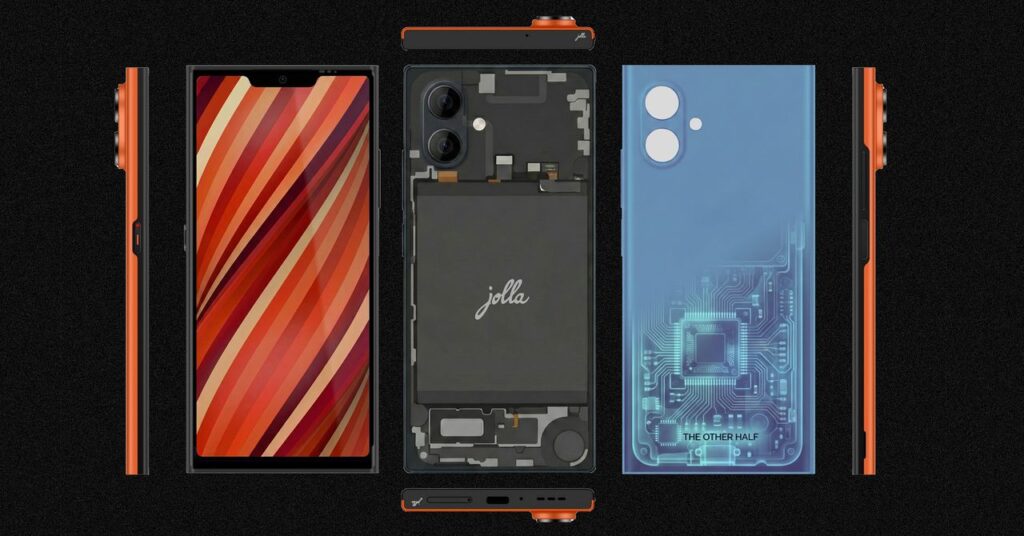
In a world increasingly dominated by major tech companies, Finnish company Jolla is making waves with its new smartphone, the Jolla Phone, powered by its proprietary operating system, Sailfish OS. Unlike competitors like GrapheneOS or e/OS, which are based on the Android Open Source Project, Sailfish OS is rooted in Linux. This distinction allows Jolla to distance itself from Google and the pervasive influence of Big Tech. As Jolla's CEO Antti Pienimäki puts it, “There are Chinese components as well—we are totally open about it—but the key is that as we compile the software ourselves and install it in Finland, we protect the integrity of the product.”
Sailfish OS offers a unique selling point: it can run Android apps, though users might experience compatibility issues. In the phone’s startup wizard, users are prompted to install MicroG, an open-source tool that facilitates the use of Google services on devices lacking the Google Play Store. This makes the transition smoother for individuals accustomed to traditional smartphones, even allowing them to bypass the need to create a Sailfish OS account.
Jolla is part of a growing trend among European tech companies aiming to reduce reliance on American firms. Similar efforts have been made by companies like Murena in France and the partnership between GrapheneOS and Motorola. Earlier this year, French officials opted for homegrown video conferencing software instead of Zoom, signaling a broader movement toward digital sovereignty.
The Jolla Phone's Specifications
Niche smartphones often face criticism for their high price points, a challenge Jolla encounters as well. The Jolla Phone is powered by a midrange MediaTek Dimensity 7100 5G chip, equipped with 8 GB of RAM and 256 GB of storage. Users also benefit from a microSD card slot and a dual-SIM tray. The device features a 6.36-inch 1080p AMOLED screen, dual main cameras, and a 32-megapixel selfie shooter. Its sizable 5,500-mAh battery is impressive given the phone's dimensions, although its connectivity options are somewhat dated, limited to Wi-Fi 6 and Bluetooth 5.4.
One standout feature of the Jolla Phone is its innovative “The Other Half” functional rear covers, reminiscent of Jolla's original offerings. These swappable back covers come with pogo pins to interface with the phone, allowing users to create unique accessories like a secondary display or a keyboard attachment. Additionally, the company has launched an Innovation Program, encouraging the community to co-create functional covers through 3D printing. Notably, the removable rear cover also means the battery is user-replaceable, catering to a growing consumer desire for repairable technology.
As consumers become more aware of digital privacy concerns and the influence of large technology companies, products like the Jolla Phone serve as alternatives that prioritize user control and data sovereignty. With its European roots and commitment to independence from major tech players, Jolla is not just selling a phone; it's promoting a vision of a tech landscape where users can regain some autonomy.
Wisconsin’s Shocking New Law Targets Crypto Scams – Are Your Savings at Risk?
Unlock a Shocking $200 Bonus NOW: Warriors vs. Clippers Promo Code Revealed! Don’t Miss Out!

You Won't Believe What Happened at the Annual Reaction Fire Rescue Throwdown—Shocking Revelations Inside!

Herbster's Shocking Decision: What He's NOT Telling Us About Nebraska's Future!

You Won't Believe How Micro-Trends Are Secretly Shaping Your Health in 2026—Are You Missing Out?

Pulaski County Mom Shocks Everyone by Entering National Fitness Competition - Her Transformation Will Leave You Speechless!
You might also like: