You Won’t Believe This Chinese Ghost Town: Rent for Just $116—Is It Safe? Find Out Before It’s Too Late!

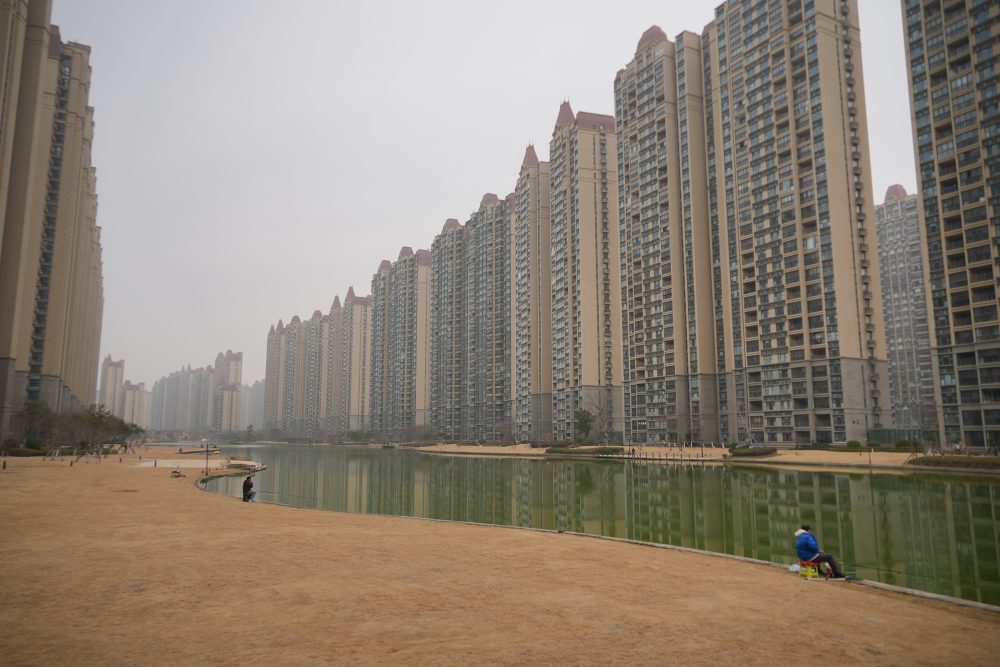
A once-luxurious housing development in China, designed to mimic the enchanting canals of Venice, now stands as a haunting reminder of the country's real estate collapse. Located just 90 minutes from the bustling financial hub of Shanghai, the “Life in Venice” complex, which once promised opulence and tranquility, is now largely abandoned, showcasing the fallout of a massive housing bubble that has left numerous projects in ruins.
Originally, this ambitious residential project was marketed as a tranquil retreat, combining European-inspired architecture with serene waterways. However, as the real estate market in China began to crumble under unsustainable debt levels, the allure of “Life in Venice” faded. By 2024, the developer, **Evergrande**, which had been at the forefront of China's real estate boom, filed for bankruptcy protection, sealing the fate of many of its developments.
Today, “Life in Venice” is characterized by its empty villas and uninhabited waterfronts. The value of real estate in the area has plummeted by over 50 percent, leaving many properties as mere shells of concrete and stone. A striking example of this downturn is a three-bedroom apartment in the complex that now rents for the astonishingly low price of **800 yuan**, equivalent to just **$116** per month. This drastic reduction in living costs has attracted a unique group of residents seeking an alternative lifestyle far removed from the high-pressure environments of China’s largest cities.
Among the few who have moved into these vacant units, many are opting for a more relaxed and budget-friendly lifestyle. The complex features small markets, local dining options, and even a postal service center, providing essential services to its new inhabitants. Life in the development has a slow, almost eerie quality, especially during the winter months when the streets are quiet. Residents often engage in simple pastimes, such as fishing or enjoying the serene views from swings overlooking the water.
The scene is a stark contrast to the ambitions that once fueled the development. Imagined as a paradise for affluent residents, “Life in Venice” has transformed into a refuge for those looking to escape the competitive urban landscape of cities like Shanghai. As the Chinese real estate market continues to grapple with its challenges, this abandoned paradise serves as a poignant symbol of the broader economic issues facing the country.
In context, the current situation is part of a larger narrative about China's housing crisis. The collapse of major developers like Evergrande has resulted in significant financial strain on many families who invested in what they believed to be secure properties. The remnants of projects like “Life in Venice” underscore the uncertainty that now hangs over the Chinese real estate landscape.
As more individuals seek refuge in these low-cost living situations, the question remains: what does this mean for the future of real estate in China? Will these developments eventually find new life, or will they remain ghost towns, echoing the dreams of a past that now feels increasingly distant?
High School Students Shock the Nation: You Won't Believe What They Did at Direct Relief!
You Won't Believe What Lies Inside China's Abandoned Housing Complexes—Shocking Photos Revealed!

You Won't Believe the SHOCKING Way Fans Reacted to the Almost Perfect Season Finale Against USC!

Why Casey Dick and Ryan Silverfield's Social Media Drama Could Change Everything—Shocking Details Inside!

Tanner Koziol’s NFL Combine SHOCKER: Did He Just Change His Future With THIS Jaw-Dropping Performance?
Arsenal's Shocking Secret: Why Chelsea's Arteta Is Embracing the 'Set-Piece FC' Label—Is This a Game-Changer?
You might also like: