
Hawaiʻi Tax Cuts Suddenly Vanish: What Are Lawmakers Hiding & How Will It Affect You?

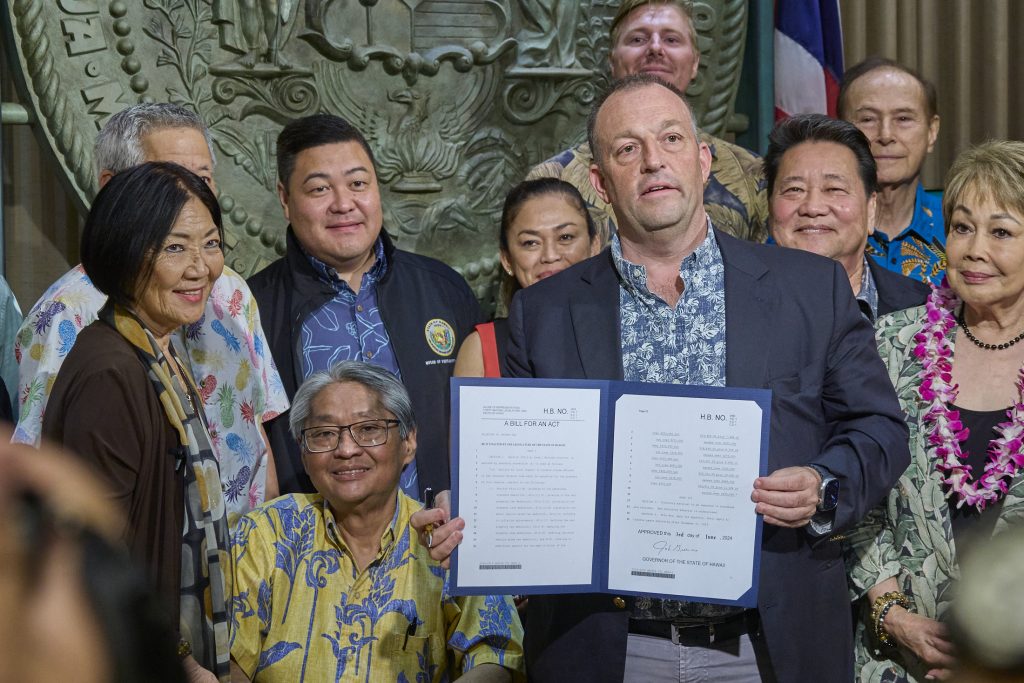
The political landscape in Hawaiʻi is becoming increasingly complex as Governor Josh Green faces mounting pressure over a controversial proposal to "pause" state income tax cuts. This comes at a particularly sensitive time, with election season heating up and lawmakers grappling with the implications of rolling back a tax reduction promised to voters just two years ago.
Governor Green's request has been met with resistance and apprehension among state lawmakers, who find themselves in a difficult position. If they comply, they risk angering constituents who expected a financial reprieve. If they reject the proposal, they may not have a sustainable budget to support crucial state programs. The governor's call to delay tax cuts that were once celebrated has transformed this legislative session into what some are describing as less enjoyable than past years.
Initially, the tax cuts were a significant achievement. In late 2023, Green proposed a modest tax relief plan aimed at assisting working families. To his surprise, lawmakers responded with overwhelming enthusiasm. In a rare show of unity, the Legislature voted unanimously for a multi-year, multibillion-dollar tax reduction that Green proudly signed into law, marking the largest tax cuts in state history. However, now that the federal government is scaling back support for Medicaid and food assistance, Green argues that the state must take measures to fill that funding gap.
As Republican Senator Kurt Fevella noted during a recent budget hearing, the situation has left lawmakers feeling conflicted. “We were happy to put in our flyers and let everybody know how much we were going to work for the people and give them a tax break, and now we gotta tuck tail,” Fevella said, encapsulating the frustration felt by some lawmakers as they prepare to potentially retract promises made to their constituents.
Democratic Senator Donna Kim echoed this sentiment, stating, “We’re already getting the phone calls,” referring to constituents confused by the prospect of rescinding tax cuts so soon after they were promised. The reality is that lawmakers will need to make a decision on Green's proposal before the primary elections on August 8, a timeline that exacerbates the political stakes involved.
Political observers, including Richard Borreca, a veteran commentator on Hawaiʻi politics, suggest that while the tax controversy may not ruin the prospects for many incumbents, it will certainly provide ammunition for any opposition. He advises that incumbents, particularly Democrats, must frame their stance as doing their utmost to secure funding for their districts during a period of fiscal restraint.
The Green administration has introduced House Bill 2306 and Senate Bill 3125 to halt the scheduled tax cuts after this year. Yet, the public has not yet been given the opportunity to testify on these critical bills. Even as the legislative session approaches its midpoint, there is a palpable hesitance among lawmakers to openly engage with the issue.
Beyond pausing tax cuts, lawmakers are exploring alternative fiscal strategies to navigate the state’s budgetary challenges. Some options under consideration include raising the state excise tax on rental car companies and tapping into the state's Emergency and Budget Reserve Fund, which currently holds about $1.6 billion in reserves. However, the viability of these alternatives as substitutes for the proposed tax cut rollback remains uncertain.
As the Legislature gears up for critical discussions in the coming weeks, the sentiment among many lawmakers is one of trepidation. The ramifications of Green’s proposal extend beyond immediate fiscal concerns; they touch on the trust constituents place in their elected officials. As such, the outcome of this legislative session could have lasting effects, not just on the budget, but on the relationship between lawmakers and their constituents in a crucial election year.
You Won't Believe What Happens When This Celebrity Faces Legal Action—The Shocking Truth Revealed!
You Won't Believe What This Unknown QB Did at the NFL Combine – Shocking Stats Inside!

NBA Legend Kevin Garnett's SHOCKING New Role: Why You NEED to Know This NOW!

Bitcoin Skyrockets to $68K! What Khamenei's Shocking Death Means for Your Wallet!

JCC Women’s Basketball SHOCKS Fans with Stunning Semifinal Loss—What Went Wrong? Find Out Now!

You Won't Believe What Happens When the Sirens Fade: Israel's Unstoppable Future Revealed!
You might also like: