
Is Your Favorite Song About to Disappear? The Shocking Truth Behind Short Videos Transforming Music Discovery!

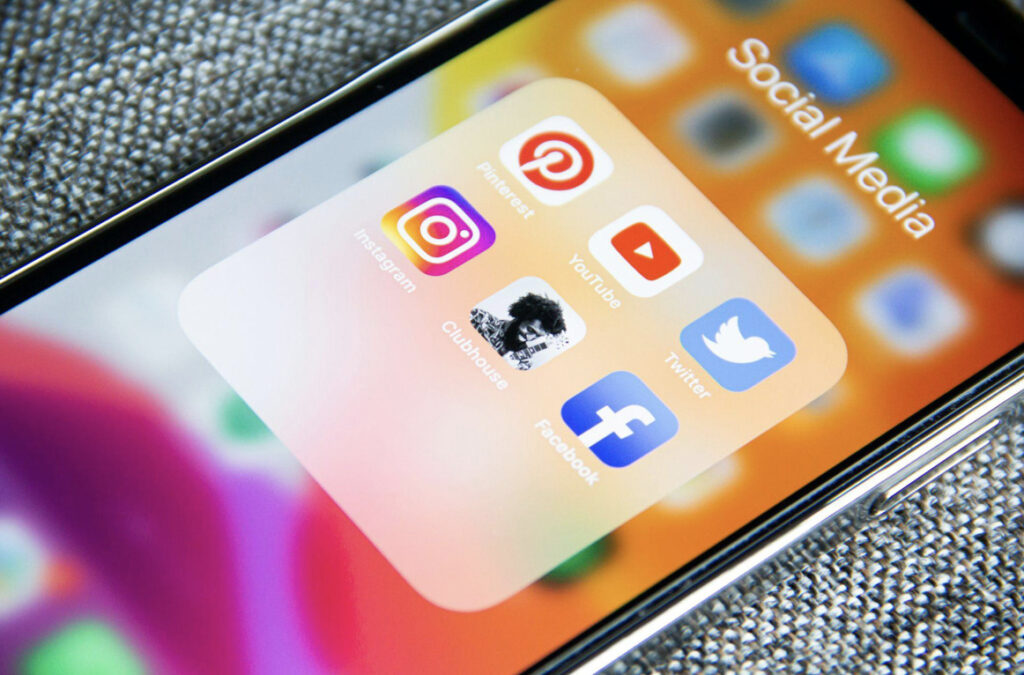
The landscape of music discovery has evolved dramatically over the past five years, reshaping how artists and audiences engage with music. In a digital world dominated by short-form video platforms like TikTok, Instagram Reels, and YouTube Shorts, the process of finding and sharing music has shifted away from traditional channels such as radio and music television. Now, a mere 15-second clip can catapult an unknown artist into global stardom, turning the music industry on its head.
Gone are the days when a hit song required a lengthy marketing campaign; today, a viral moment can launch a track into the charts almost overnight. As listeners scroll through a seemingly endless stream of videos, they encounter songs in unexpected contexts—from dance challenges to emotional storytelling. This new method of consumption not only influences how audiences connect with music but also impacts how artists create, promote, and distribute their work.
📰 Table of Contents
The Short-Form Video Revolution
Short-form video platforms have surged in popularity because they cater to modern attention spans, favoring quick and engaging content. Users can scroll vertically and consume dozens of videos in a matter of minutes, with music being an integral part of the experience. Almost every video features a soundtrack, and creators are increasingly using trending songs to enhance their visibility. This repetitive exposure helps cement catchy tracks into listeners' minds, making them memorable. A simple dance challenge or a comedic meme can turn an obscure track into a viral sensation, thanks to platform algorithms that prioritize user engagement over traditional industry gatekeeping.
Unlike radio stations that depend on industry insiders to curate playlists, these platforms allow independent artists to find their audience without hefty marketing budgets. As users engage with videos through likes, shares, and recreations, the algorithm rewards this interaction by promoting the content further. In this new ecosystem, talent and creativity often outweigh financial backing, leveling the playing field for aspiring musicians.
Viral trends on platforms like TikTok now directly influence music charts around the world. A song is no longer required to be backed by a major label or a significant promotional budget; it only needs a single moment that resonates with audiences. For example, relatable lyrics or a catchy hook can inspire thousands to create videos, thereby amplifying the song's reach. This organic promotion leads to increased searches on streaming platforms like Spotify and Apple Music, driving streams and chart performance.
This rapid cycle of musical discovery means that artists can now measure their success almost instantly, a stark contrast to the previous industry norm where results could take months to materialize. Real-time data from short-form video platforms allows artists to gauge what resonates with audiences, giving them the insights to shape future releases and marketing strategies.
Changing the Creative Landscape
The rise of short-form videos has also transformed the way music is created. Artists are now focusing on crafting strong hooks within the first 15 to 30 seconds, knowing that these snippets will likely be featured in video content. Songs often kick off with catchy choruses or memorable beats designed to engage listeners immediately. Moreover, artists are more mindful of writing lyrics that could easily become captions or part of popular trends, blending creativity with strategy.
However, this shift presents both opportunities and challenges. While artists can gain substantial exposure without traditional media support, they may also feel pressured to tailor their music for algorithmic success rather than artistic expression. Many musicians are striving to find a balance, creating authentic music while also considering how short-form videos can enhance their reach.
Additionally, short-form video platforms have democratized music discovery. In the past, record labels held the reins on distribution and promotion, but now anyone with a smartphone can upload and promote their song through creative content. Independent artists frequently build loyal communities before engaging with major labels, fostering direct connections with fans. This interaction cultivates trust and loyalty, allowing fans to feel like they are part of the artist's journey from the ground up.
Moreover, the potential for global exposure can happen in an instant. A track created in a small town can trend worldwide within hours, effectively erasing cultural boundaries and introducing audiences to diverse genres and styles they might not have explored otherwise.
Influencers and content creators play a pivotal role in this new music ecosystem. When a popular creator integrates a specific track into their content, it can reach millions of followers almost immediately. Their endorsement often serves as social proof, as audiences tend to trust the tastes of creators they admire. Brands and record labels have caught on, collaborating with creators to promote new releases. Yet, organic trends still outperform forced campaigns; audiences are quick to detect inauthenticity, making it crucial for songs to fit naturally into a creator's style.
Micro-influencers, while they may not boast millions of followers, can also generate significant impact. Their smaller, engaged communities can collectively push a song into the mainstream, reflecting the power of grassroots movements in music promotion.
The algorithmic nature of these platforms further personalizes the music discovery experience. Algorithms analyze user behavior to suggest content that matches individual interests, enhancing engagement and streaming numbers for artists. However, this competitive landscape demands that artists create compelling content that captivates viewers within the first few seconds, a challenging feat given the sheer volume of music available.
As the influence of short-form video continues to extend across various industries, other sectors are also adapting to this fast-paced digital culture. For instance, online casinos have begun utilizing similar short-form strategies to attract modern audiences. They leverage eye-catching visuals and quick, engaging content to promote their games, mirroring the techniques used in music promotion.
This crossover between music and other entertainment sectors highlights a broader digital transformation. Industries are increasingly moving away from traditional advertising methods, opting instead for dynamic, shareable content that resonates with audiences instantly.
Ultimately, the impact of short-form video on music discovery is profound. It affects not only music charts but also revenue models, as artists see spikes in streaming numbers and increased opportunities for concert bookings and brand collaborations. However, the fleeting nature of trends can shorten attention spans; songs may rise quickly but can fade just as fast. Artists must now focus on sustained engagement and effective branding to maintain relevance beyond a single viral moment.
Looking ahead, short-form videos are likely to continue shaping music discovery in innovative ways. Advancements in technology, such as artificial intelligence and augmented reality, could further enhance personalization and create immersive musical experiences. Artists will explore interactive content, behind-the-scenes snippets, and short live performances to deepen connections with their fanbase.
Despite the evolving landscape, the core of music remains unchanged: connection. Music thrives when it resonates emotionally with listeners, and short videos simply accelerate that bond. By breaking down barriers between artists and audiences, these platforms allow everyday users to become promoters, dancers, storytellers, and fans, enriching the global music experience for all.
You Won't Believe These 3 "Unhealthy" Snacks Are Actually Dietitian-Approved! Find Out Now!
Access Denied: The Shocking Truth Behind Why 90% of Users Can’t Get In! Are You One of Them?
White House's Shocking Attempt to Control State Elections: What They're Hiding from You!

You Won't Believe How a $250,000 Grant Will Revolutionize Addiction Treatment—Find Out Now!

Meningitis B Vaccine Fails Shocking Trial: What This Means for 1 in 5 Americans!

Are You Ready? EXP Realty's Shocking Real Estate Secrets for Feb. 28 & 29 Will Change Everything!
You might also like: